TL;DR
- Actuary jobs span specialties such as pricing, reserving, valuation, and risk adjustment, with roles for all experience levels.
- Median annual wages for actuaries in the U.S. reached about $130,000 in 2025, with a projected 9% job growth through 2035.
- Becoming an actuary typically requires a bachelor's degree and passing a series of professional exams.
- Entry-level roles include actuarial analyst positions and internships, often tied to exam progress.
- Use specialized job boards, professional networks, and employer career pages; filter by specialty, experience, and work arrangement to find the best matches.
Actuary Jobs: Current Roles by Specialty and Experience Level
Actuary jobs in 2026 cover a range of specialties and seniority levels. Common specialties include:
- Pricing: Developing and analyzing insurance rates and premiums.
- Reserving: Estimating future claim liabilities and reserves.
- Valuation: Assessing the value of insurance contracts and pension plans.
- Risk Adjustment: Modeling and managing financial risks across portfolios.
- Benefits Consulting: Advising on employee benefits and retirement plans.
Experience levels range from entry-level actuarial analysts and interns to senior actuaries, associates, and directors. Job titles often reflect specialty and seniority, such as “Pricing Actuary,” “Reserving Analyst,” or “Senior Risk Actuary.”
Employers include insurance companies, consulting firms, government agencies, and large corporations with risk management needs. Candidates should search by specialty as well as the generic title “actuary” to capture all relevant openings.
For example, recent listings on Indeed show a broad variety of roles across specialties and experience levels, with employers ranging from major insurers to consulting firms.
What Actuaries Do in Pricing, Reserving, Valuation, and Risk
Actuaries apply mathematical and statistical methods to assess financial risks and uncertainties. Their work varies by specialty:
- Pricing Actuaries analyze data to set insurance premiums that balance competitiveness and profitability.
- Reserving Actuaries estimate the amount insurers must hold to pay future claims, ensuring financial stability.
- Valuation Actuaries determine the present value of future liabilities for pensions, insurance policies, or employee benefits.
- Risk Actuaries develop models to quantify and mitigate financial risks, supporting strategic decisions.
- Benefits Consultants design and evaluate employee benefits programs, including health insurance and retirement plans.
These roles require strong analytical skills, proficiency with actuarial software, and knowledge of relevant regulations and industry practices. Communication skills are also important for explaining complex findings to non-technical stakeholders.
Actuary Salary and Job Outlook: What the Latest Data Shows
According to the U.S. Bureau of Labor Statistics (BLS):
- The median annual wage for actuaries was $130,000 in May 2025.
- Employment is projected to grow 9% from 2025 to 2035, faster than the average for all occupations.
- Approximately 1,500 openings per year are expected on average through 2035, driven by demand for risk analysis and financial forecasting.
Salaries vary by experience, specialty, and location. Entry-level actuarial analysts typically earn less but can expect substantial growth with exam progress and experience.
The demand for actuaries remains strong due to increasing complexity in insurance, pensions, healthcare, and financial services. Emerging fields such as data science and predictive analytics also offer new opportunities for actuaries.
Actuarial Job Requirements: Degrees, Exams, and Credentials
Typical requirements for actuarial jobs include:
- Education: A bachelor’s degree in actuarial science, mathematics, statistics, finance, or a related field is standard.
- Exams: Professional certification requires passing a series of actuarial exams administered by societies such as the Society of Actuaries (SOA) or Casualty Actuarial Society (CAS).
- Credentials: Titles like Associate or Fellow indicate progress through exams and experience requirements.
- Skills: Strong quantitative, analytical, and communication skills; proficiency with Excel, SQL, and actuarial software; and knowledge of insurance and financial regulations.
While some entry-level roles accept candidates without passed exams, progressing through exams is essential for career advancement. Employers often support exam study through paid time off and reimbursement.
Entry-Level Actuary Jobs: Analyst Roles, Internships, and Exam Progress
Entry-level actuarial jobs typically include:
- Actuarial Analyst: Supporting senior actuaries with data analysis, modeling, and reporting.
- Internships: Summer or part-time roles providing practical experience and exam preparation support.
- Exam Progress: Employers look for candidates who have passed at least one or two preliminary exams or are actively studying.
Candidates should highlight exam progress, relevant coursework, internships, and technical skills on their résumés. Networking with professional associations and attending career fairs can improve chances of landing entry-level roles.
Where to Find Actuary Jobs: Job Boards, Employers, and Career Centers
Popular sources for actuary job listings include:
- Indeed: Broad U.S. listings with filters for specialty, experience, salary, and work arrangement. (Indeed Actuary Jobs)
- LinkedIn Jobs: Large professional network emphasizing location, seniority, and application timing. (LinkedIn Actuary Jobs)
- Actuary.com Jobs: Specialized board focusing on actuarial consulting, insurance roles, and career paths. (Actuary.com Jobs)
- Actuarial Career Center: Professional association listings with roles from analyst to director levels. (Actuarial Career Center Jobs)
Candidates should use filters to match their specialty, exam progress, and preferred work arrangement (remote, hybrid, on-site). Combining general job boards with specialized listings and employer career pages yields the best results.
How to Search and Apply: Filters, Résumé Signals, and Interview Preparation
Search Tips:
- Use keywords like “pricing actuary,” “reserving analyst,” or “actuarial intern” alongside “actuary.”
- Filter by exam progress requirements, specialty, experience level, and work arrangement.
- Set up job alerts on LinkedIn and other platforms to apply early.
Résumé Tips:
- Highlight exam progress and relevant coursework.
- Showcase technical skills (Excel, VBA, R, Python).
- Include internships, projects, and any actuarial software experience.
- Use keywords from job descriptions to pass applicant tracking systems (ATS).
Interview Preparation:
- Review actuarial concepts and problem-solving techniques.
- Prepare to discuss your exam progress and study plans.
- Practice behavioral questions focused on teamwork, communication, and ethics.
- Research the employer’s business and actuarial functions.
Remote, Hybrid, and On-Site Actuary Jobs: What to Check Before Applying
Work arrangements vary widely:
- Remote: Increasingly common, especially for data analysis and modeling roles.
- Hybrid: Many employers offer flexible schedules combining office and remote work.
- On-site: Required for some consulting, client-facing, or team-based roles.
Before applying, confirm:
- Employer’s remote policy and expectations.
- Location requirements for on-site roles.
- Availability of necessary technology and support for remote work.
- How work arrangement affects career development and networking.
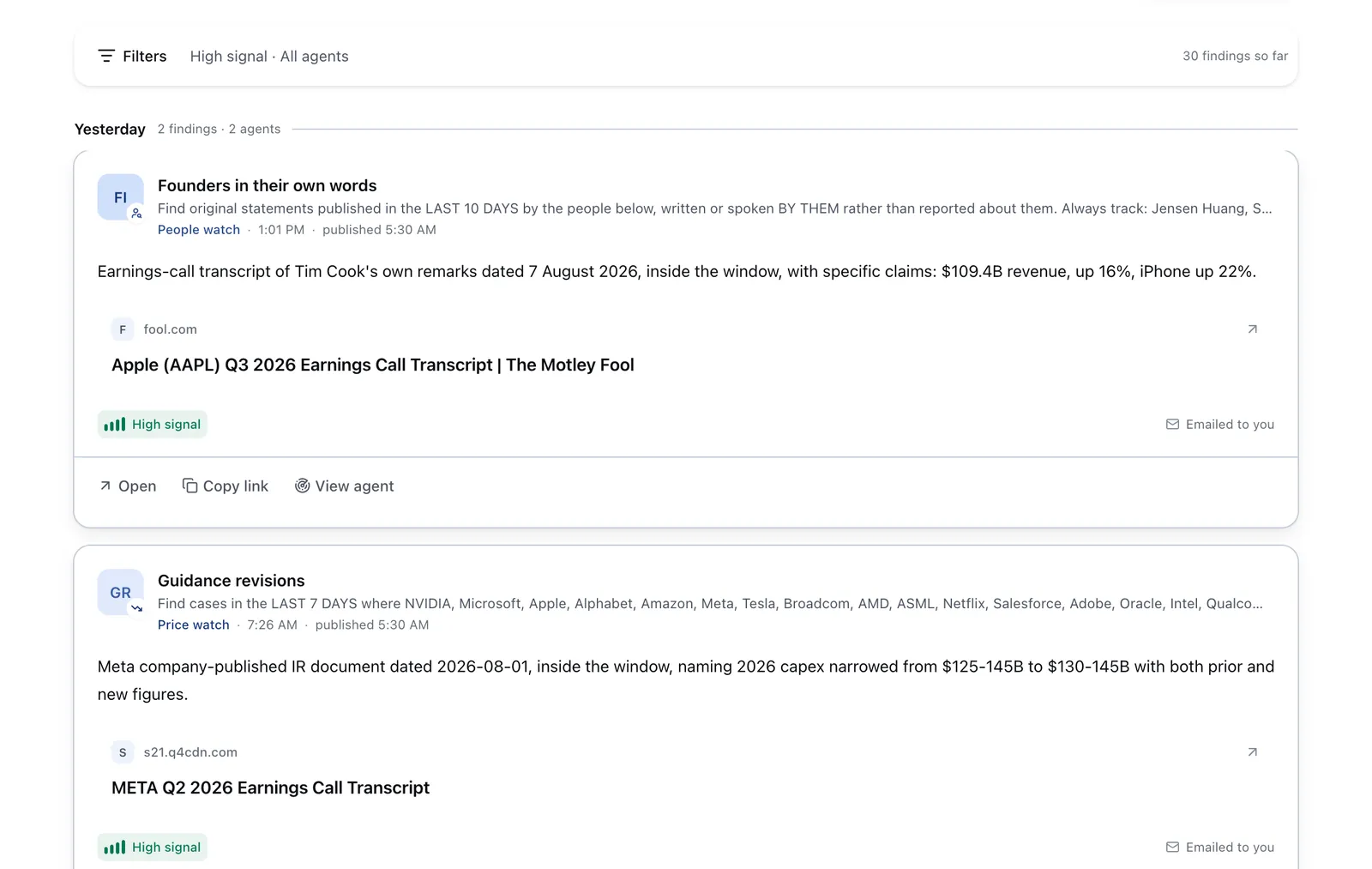
Run it on Parlel
Publish your actuarial skills on your Parlel profile, set your status to open-to-work, and optionally run or follow an agent watching jobs that match your specialties and exam progress. Parlel’s AI agents continuously scan thousands of listings, including those on Indeed, LinkedIn, and Actuarial Career Center, to notify you of matching opportunities. Visit /explore and /jobs to see how agents work and find your next actuarial role faster.
Keep reading
- ATS Resume Template — Optimize your résumé for applicant tracking systems.
- Resume for Freshers — Craft a strong résumé without extensive experience.
- Resume Keywords — Use the right keywords to get noticed by recruiters and AI.
Sources and further reading
- 1000 Actuary Jobs, Employment - Indeed
- Actuary Jobs in United States (8000+ Open Roles) - LinkedIn
- Search Actuarial Jobs, Careers, Employment - Actuary.com
- Actuaries: Occupational Outlook Handbook - BLS
- Actuarial Career Center Job Search