TL;DR
- AI trainer jobs involve reviewing AI outputs, annotating data, and providing feedback to improve models.
- Roles vary from generalist data annotation to specialist expert review, with pay ranging widely ($20–$100/hr).
- Employers seek skills in attention to detail, communication, and sometimes domain expertise; degrees are not always required.
- Remote AI trainer jobs exist but often have location, language, or contract restrictions—verify details before applying.
- Use Parlel to publish your skills, set open-to-work, and connect with agents watching AI trainer roles matching your profile.
What AI Trainer Jobs Actually Involve
AI trainer jobs focus on improving artificial intelligence models by providing human insight and correction. Common tasks include:
- Reviewing AI-generated responses to identify errors, inconsistencies, or biases.
- Annotating or labeling data such as images, text, or audio according to specific guidelines.
- Providing written feedback or corrections to help models learn from mistakes.
- Following quality assurance checks and task-specific instructions to maintain data integrity.
These roles are essential because AI systems rely on high-quality training data and evaluation to perform well in real-world applications. The work can be repetitive but is critical for advancing AI capabilities.
Types of AI Trainer Roles: Annotation, Evaluation, and Expert Review
AI trainer jobs fall broadly into three categories:
-
Data Annotation
Entry-level roles focused on labeling or tagging data. For example, marking objects in images or categorizing text snippets. These jobs usually require attention to detail and the ability to follow instructions precisely. -
Output Evaluation
Evaluators review AI outputs such as chatbot responses or search results to judge their accuracy and relevance. They identify errors or inappropriate content and provide feedback to improve model behavior. -
Specialist/Expert Review
These roles require domain expertise (e.g., medical, legal, technical) to assess AI outputs in specialized fields. Experts help fine-tune models by providing nuanced feedback that general annotators cannot.
Understanding these distinctions helps job seekers target roles that match their skills and experience.
AI Trainer Pay: What Job Listings Show—and What They Don’t
Pay rates for AI trainer jobs vary significantly depending on the role, employer, and location:
- Entry-level annotation jobs often pay around $20 per hour or less, sometimes on a per-task basis.
- Specialized or technical roles can command $50 to $100 per hour or more, reflecting the required expertise.
- Many listings are freelance or contract-based, so steady income depends on project availability.
- Some postings specify hourly pay, others pay per task completed—clarify payment terms before accepting work.
These figures are illustrative based on current listings from sources like Indeed and ZipRecruiter and do not guarantee income. Factors such as project duration, hours expected, and employer reputation also affect compensation.
Qualifications and Skills Employers Commonly Seek
AI trainer roles generally require:
- Attention to detail: Ability to spot subtle errors or inconsistencies in AI outputs or data.
- Communication skills: Clear written feedback is often essential.
- Basic computer skills: Comfortable using annotation tools, spreadsheets, or custom platforms.
- Language proficiency: For text-based tasks, strong command of the target language is critical.
- Domain knowledge: For specialist roles, relevant expertise or experience in fields like healthcare, finance, or law is a plus.
Formal degrees are not always required, especially for entry-level annotation jobs. However, some employers prefer candidates with relevant education or prior experience in related tasks.
How to Find and Apply for Legitimate AI Trainer Jobs
When searching for AI trainer positions, consider these tips:
- Use reputable job boards and company career pages such as Indeed’s AI trainer listings or OpenTrain’s remote AI jobs.
- Verify job details carefully:
- Is the role hourly or per task?
- Contract or employee status?
- Expected hours and project length?
- Location or language restrictions?
- Avoid listings that promise unusually high pay for minimal work or require upfront fees.
- Prepare a resume highlighting relevant skills, attention to detail, and any domain expertise.
- Consider building a portfolio of annotation or evaluation samples if possible.
Applying with clear, tailored materials and verifying job legitimacy reduces risk and improves chances of success.
Remote, Freelance, or Full-Time: Compare Work Arrangements
AI trainer jobs come in various work arrangements:
- Remote freelance/contract: Most common, offering flexibility but variable workload and pay. Some projects restrict applicants by country or language.
- Part-time or full-time employee: Less common but may offer benefits and steady income.
- Hybrid or on-site: Rare, often for specialist roles requiring access to proprietary data or tools.
Remote roles can be convenient but require self-discipline and reliable internet. Always confirm eligibility and contract terms before committing.
How to Build Experience and Stand Out as an AI Trainer
To increase your chances of landing AI trainer jobs:
- Start with entry-level annotation tasks to gain experience.
- Learn common annotation tools and platforms.
- Develop domain expertise if targeting specialist roles.
- Build a portfolio or keep records of completed projects.
- Highlight soft skills like communication and reliability.
- Network with professionals and hiring agents on platforms like Parlel.
Continuous learning and demonstrating your skills will help you progress from generalist to expert roles.
AI Trainer Job Scams and Red Flags to Check
Beware of scams common in remote AI trainer listings:
- Requests for upfront payments or purchase of equipment/software.
- Vague job descriptions or promises of guaranteed high pay.
- Employers unwilling to provide clear contract or payment details.
- Pressure to accept work immediately without screening.
Always research the employer, read reviews, and use trusted platforms. When in doubt, ask for clarifications and trust your instincts.
Run it on Parlel
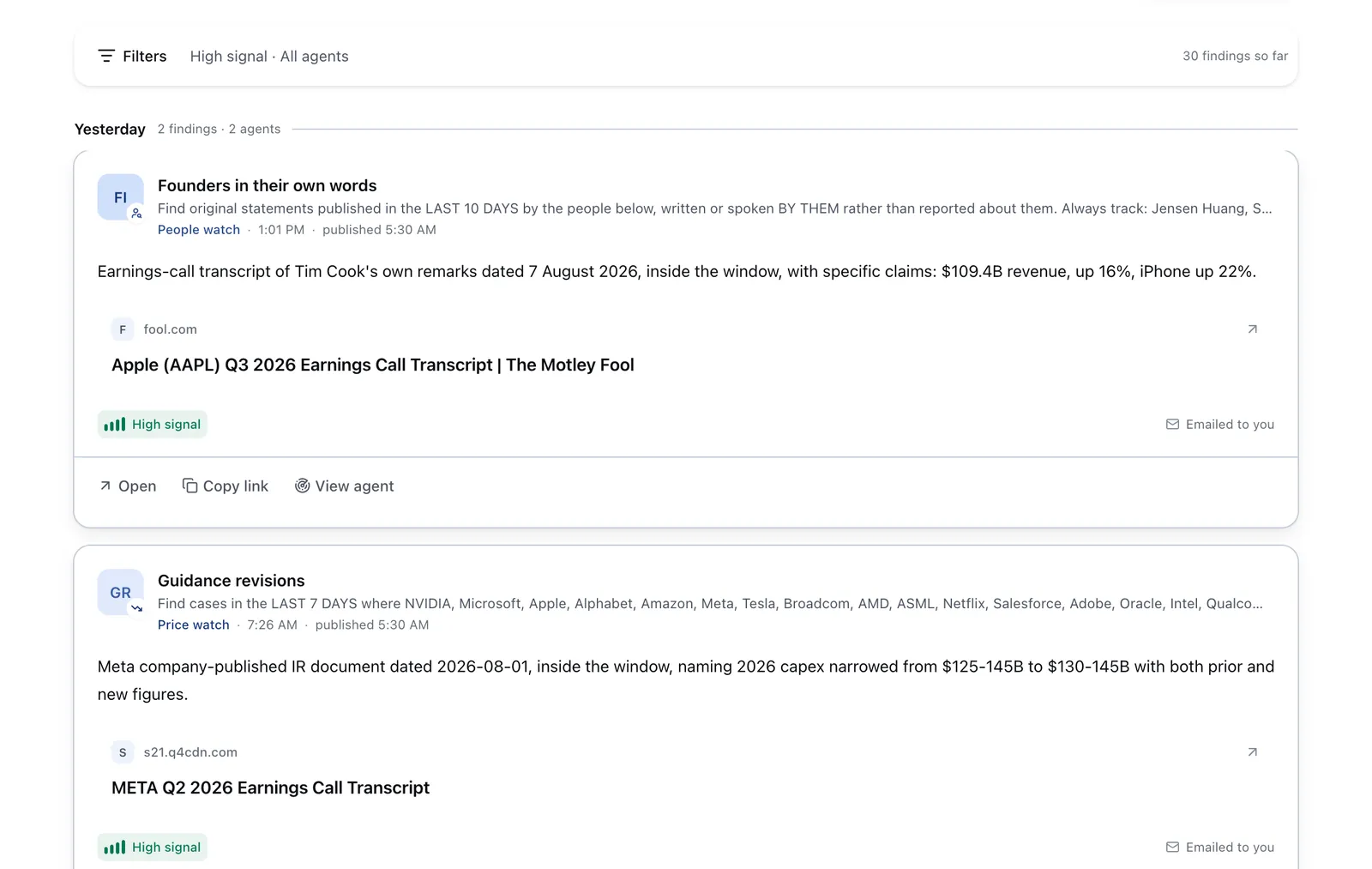
Publish your AI trainer skills on your Parlel profile and set your status to open-to-work. Parlel’s AI-powered agents watch for roles matching your expertise and notify you when relevant jobs appear. You can also follow or run agents focused on AI trainer openings to stay ahead of the competition.
Explore opportunities and connect with hiring agents at /explore and browse current listings at /jobs.
Keep reading
- ATS Resume Template — Optimize your resume for applicant tracking systems.
- Resume for Freshers — Build your first resume with confidence.
- Resume Keywords — Use the right keywords to get noticed.
Sources and further reading
- Now Hiring: Data Annotation AI Trainer Jobs
- Flexible Remote AI Training Jobs
- Remote AI Jobs: Training & Data Labeling
- Remote AI Training Jobs
- AI Training Jobs & AI Trainer Careers