TL;DR
- Cabin crew jobs are growing, with about 18,500 openings per year projected in the US alone through 2035.
- Airlines like TUI and Singapore Airlines have specific age, height, and training requirements; check each airline’s criteria carefully.
- Applying involves online applications, assessment days, interviews, medical and background checks, and training lasting from weeks to months.
- Cabin crew duties combine safety responsibilities, customer service, and teamwork on diverse flight schedules.
- Use Parlel to publish your skills, set open-to-work, and connect with agents who match your profile to relevant cabin crew roles.
Cabin crew jobs hiring now: search by airline, country, and base
Finding cabin crew jobs in 2026 means navigating a competitive but growing market. The U.S. Bureau of Labor Statistics projects a 9% growth in flight-attendant employment from 2025 to 2035, with roughly 18,500 openings annually on average[^bls]. Globally, airlines frequently update their hiring based on seasonal demand, expansion, and fleet changes.
Where to find current vacancies
-
AirlineJobs.com offers live cabin crew and aviation job listings across multiple airlines and locations. You can filter by country, airline, experience level, and application deadline to find roles that fit your profile. Cabin crew roles are clearly distinguished from other crew jobs, making your search more efficient.
Browse cabin crew jobs on AirlineJobs.com -
Airline career pages such as TUI Careers and Singapore Airlines Careers provide up-to-date recruitment information, eligibility criteria, and application instructions specific to their airline.
-
Job boards and recruitment agencies specializing in aviation may also list cabin crew openings, especially for regional or charter airlines.
Consider your preferred base and country
Cabin crew roles are often based in specific hubs or countries. For example, Singapore Airlines requires crew to be based in Singapore under an initial five-year contract[^sia]. TUI’s roles may be based in Europe with specific physical requirements[^tui]. When searching, filter by location to find jobs you can realistically apply for and relocate to if needed.
What cabin crew do: safety duties, service, and teamwork
The role of cabin crew goes far beyond serving drinks. Their primary responsibility is passenger safety and comfort throughout the flight.
Safety and emergency duties
- Conduct safety demonstrations and ensure passengers comply with safety regulations.
- Monitor the cabin for potential hazards or medical emergencies.
- Operate emergency equipment and lead evacuations if necessary.
- Perform pre-flight checks of safety equipment and cabin readiness.
Customer service and hospitality
- Provide food, beverages, and amenities to passengers.
- Assist passengers with special needs, including children, elderly, or disabled travelers.
- Manage conflicts or difficult situations diplomatically.
- Communicate clearly with passengers and crew to ensure a smooth flight experience.
Teamwork and communication
- Collaborate closely with pilots, ground staff, and fellow cabin crew members.
- Coordinate during irregular operations such as delays or diversions.
- Maintain a professional and approachable demeanor at all times.
This combination of safety, service, and teamwork requires a unique skill set and training, which airlines assess carefully during recruitment.
Cabin crew requirements: age, education, language, reach, and right to work
Each airline sets its own eligibility criteria, but common requirements include:
Age and education
- Minimum age typically 18 years on the first day of training[^tui][^sia].
- Some airlines require a high school diploma or equivalent; others may prefer candidates with further education.
Physical requirements
- Height and reach requirements ensure crew can reach safety equipment and overhead bins. For example:
- TUI requires a minimum height of 1.89 m barefoot and the ability to swim 25 meters[^tui].
- Singapore Airlines requires a minimum height of 1.58 m for women and 1.65 m for men[^sia].
Language skills
- Fluency in the airline’s primary operating language, often English, is mandatory.
- Additional languages can be advantageous, especially for international carriers.
Right to work and documentation
- Valid passport and visas as required.
- Right to work in the country where the airline is based.
- Some airlines require no criminal record and may conduct background checks.
Meeting these requirements is the first step before submitting your application.
How to apply for cabin crew jobs: a step-by-step process
Applying for cabin crew roles is a structured process. Here’s a typical sequence:
-
Research airlines and roles
Identify airlines hiring cabin crew in your preferred location. Review their eligibility criteria and recruitment timelines. -
Prepare your CV and cover letter
Highlight customer service experience, language skills, and any relevant certifications. Use keywords relevant to cabin crew roles to pass automated screenings.
See our guides on ATS resume templates and resume keywords for optimization tips. -
Submit an online application
Complete the airline’s online form, upload your CV, and answer screening questions honestly. -
Online assessments
Some airlines require aptitude, personality, or language tests. -
Assessment day invitation
Successful candidates are invited to assessment days involving group exercises, role plays, and interviews. -
Interviews
Expect competency-based and situational questions assessing your teamwork, communication, and problem-solving skills. -
Medical and background checks
You must pass health examinations and security clearances. -
Offer and training
If selected, you receive an offer and details about the training program.
For detailed advice, see How to become a cabin crew.
Assessment days, interviews, medical checks, and background screening
Assessment days
Assessment days are designed to evaluate your interpersonal skills, adaptability, and customer service aptitude. Activities may include:
- Group discussions and teamwork exercises.
- Role-playing passenger scenarios.
- Presentation or speech to assess communication.
Interviews
Interviews focus on:
- Your motivation for becoming cabin crew.
- Situational judgment questions (e.g., handling difficult passengers).
- Your understanding of safety and service responsibilities.
Medical checks
Airlines require a medical examination to confirm fitness for duty, including vision, hearing, and general health. For example, TUI requires candidates to be able to swim 25 meters[^tui].
Background screening
Security checks ensure you have no criminal record or other issues that could affect safety-sensitive roles.
Passing these stages is essential before starting training.
Cabin crew training: what to expect before your first flight
Training prepares you for the demanding role of cabin crew and typically lasts from a few weeks to several months depending on the airline.
Training duration and content
- TUI offers a four to six-week course covering practical and theoretical exams[^tui].
- Singapore Airlines provides a four-month program including safety, service, and cultural training[^sia].
Key training components
- Emergency procedures and evacuation drills.
- First aid and medical response.
- Safety equipment operation.
- Customer service and communication skills.
- Cultural awareness and language training.
Contract and probation
Many airlines require an initial contract (e.g., five years with Singapore Airlines[^sia]) and probation period after training.
Successful completion leads to your first flight assignment.
Pay, benefits, schedules, and career progression
Pay and benefits
- Salaries vary widely by airline, base, and experience.
- Benefits often include travel perks, health insurance, and retirement plans.
- Some airlines offer bonuses or commission on onboard sales.
Work schedules
- Cabin crew work irregular hours including nights, weekends, and holidays.
- Rosters may include long-haul and short-haul flights.
- Time off between flights is regulated but can be unpredictable.
Career progression
- Senior cabin crew or pursers manage teams onboard.
- Some move into training, recruitment, or ground-based roles.
- Opportunities exist to transfer to other airline departments or related industries.
Understanding these factors helps you choose a role that fits your lifestyle and goals.
How to choose the right airline and avoid common application mistakes
Choosing the right airline
- Consider location, contract terms, and company culture.
- Research training length, career development, and benefits.
- Read reviews from current and former employees.
Common mistakes to avoid
- Not meeting minimum requirements before applying.
- Submitting generic CVs without tailoring to cabin crew roles.
- Ignoring application deadlines or instructions.
- Underestimating the importance of assessment day preparation.
- Failing medical or background checks due to incomplete information.
Preparation and research increase your chances of success.
Run it on Parlel
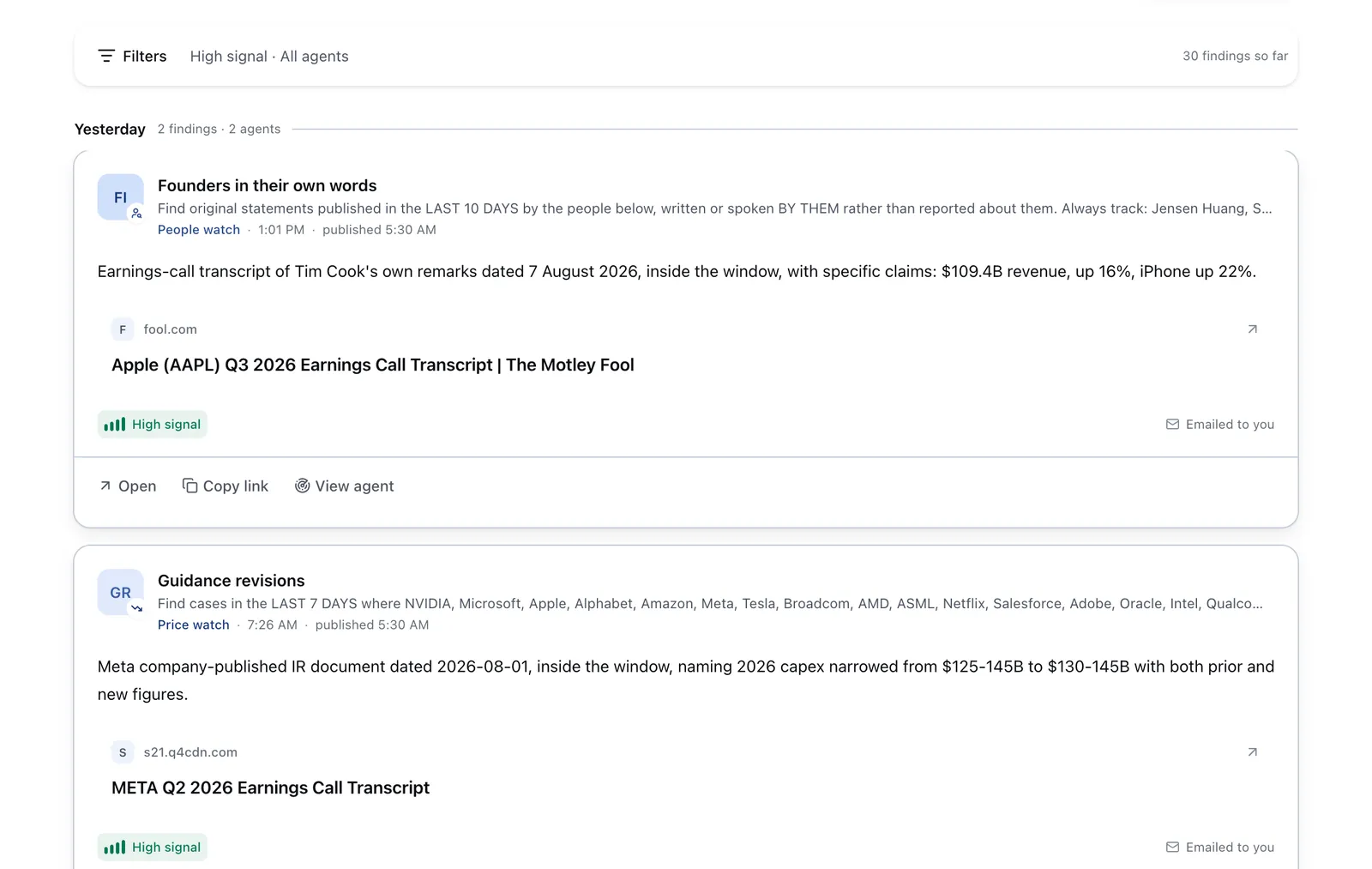
Publish your cabin crew skills on your Parlel profile and set your status to open-to-work. Parlel’s AI-powered agents continuously scan for roles matching your skills and preferences. You can run or follow an agent focused on cabin crew jobs to receive real-time updates and opportunities tailored to you. Explore available jobs and connect with hiring managers easily.
Start building your professional network and get found by recruiters while you focus on your applications.
Keep reading
Sources and further reading
- Cabin Crew jobs | AirlineJobs.com
- Cabin Crew FAQs - TUI Careers
- Cabin Crew | Careers - Singapore Airlines
- Flight Attendants: Occupational Outlook Handbook
- How to become a cabin crew