TL;DR
- Civil engineering jobs cover diverse roles in design, construction, infrastructure, and specialties like transportation and water resources.
- Entry-level opportunities include internships, Engineer-in-Training (EIT) positions, and junior roles, ideal for recent graduates.
- The median annual wage for civil engineers was $100,840 in 2025, with federal government roles paying higher at $117,790.
- Employment is projected to grow 6% from 2025 to 2035, with about 22,700 openings annually, driven by infrastructure demand.
- Use targeted job boards and filters by specialty, location, experience, and licensure; build a strong resume and leverage Parlel to get found by recruiters.
Civil Engineer Jobs: Roles, Specialties, and Current Opportunities
Civil engineering is a broad field encompassing various roles focused on designing, building, and maintaining infrastructure. Job opportunities range from transportation system design to water resource management, structural engineering, and land development.
In 2026, civil engineer jobs are available across public agencies, private engineering firms, construction companies, and consulting services. Popular specialties include:
- Transportation Engineering: Roads, highways, bridges, and transit systems.
- Structural Engineering: Design and analysis of buildings and large structures.
- Water Resources Engineering: Flood control, water supply, and wastewater treatment.
- Land Development: Site planning, grading, and urban infrastructure.
Current job listings often allow filtering by specialty, location, experience level, and licensure status. For example, CareerBuilder’s civil engineer jobs offer broad U.S. listings with salary ranges and quick-apply options, helping candidates find roles that match their skills and career stage.
What Civil Engineers Do Across Design, Construction, and Infrastructure
Civil engineers play a vital role throughout the lifecycle of infrastructure projects:
- Design: Creating plans, drawings, and specifications for construction projects using CAD and engineering software.
- Project Management: Coordinating teams, schedules, budgets, and compliance with safety and environmental regulations.
- Construction Oversight: Supervising contractors, inspecting work quality, and ensuring adherence to design and codes.
- Maintenance and Inspection: Assessing existing infrastructure condition and recommending repairs or upgrades.
They collaborate with architects, urban planners, environmental scientists, and government agencies to deliver safe, sustainable, and cost-effective solutions.
Entry-Level Civil Engineer Jobs, Internships, and EIT Positions
For recent graduates and early-career professionals, entry-level roles provide essential experience and a path toward licensure. Common entry points include:
- Internships and Co-ops: Paid or unpaid positions offering hands-on exposure during studies or immediately after graduation.
- Engineer-in-Training (EIT) Positions: Roles requiring passing the Fundamentals of Engineering (FE) exam, often the first step toward becoming a Professional Engineer (PE).
- Junior Civil Engineer Jobs: Positions focusing on supporting senior engineers with design, calculations, and site visits.
Platforms like Handshake’s civil engineering jobs specialize in early-career listings, including internships and co-ops, helping students and freshers transition into full-time roles.
Civil Engineering Specialties: Transportation, Water, Structural, and Land Development
Civil engineering specialties each have distinct focus areas and job requirements:
- Transportation Engineering: Designing highways, railways, airports, and traffic systems. Requires knowledge of traffic flow, materials, and safety standards.
- Water Resources Engineering: Managing stormwater, flood control, and water treatment infrastructure. Involves hydrology, hydraulics, and environmental regulations.
- Structural Engineering: Analyzing and designing buildings, bridges, and towers to withstand loads and natural forces. Strong emphasis on materials science and structural analysis.
- Land Development: Planning residential, commercial, and industrial sites with grading, drainage, and utility design.
Employers often seek candidates with relevant experience or coursework in these specialties. Use job filters on sites like Stantec’s civil engineer jobs to find openings by specialty and location.
Civil Engineer Salary and Job Outlook: What the Latest Data Shows
According to the U.S. Bureau of Labor Statistics (BLS):
- The median annual wage for civil engineers in 2025 was $100,840.
- Civil engineers employed by the federal government earned a higher median wage of $117,790 (excluding postal service roles).
- Employment is projected to grow 6% from 2025 to 2035, faster than the average for all occupations.
- Approximately 22,700 job openings are expected annually over the decade, driven by infrastructure repair and new construction.
- The engineering services sector accounts for about 51% of employment among civil engineers.
These trends indicate a stable and growing job market, especially for engineers with licensure and specialized skills.
Education, FE Exam, PE License, and Other Common Requirements
To become a licensed civil engineer, candidates typically follow these steps:
- Education: Earn a bachelor’s degree in civil engineering or a related field from an ABET-accredited program.
- Fundamentals of Engineering (FE) Exam: Pass this exam to become an Engineer-in-Training (EIT).
- Work Experience: Complete 4 years of qualifying work experience under a licensed Professional Engineer (PE).
- Professional Engineering (PE) Exam: Pass the PE exam to become a licensed civil engineer authorized to sign off on projects.
- Continuing Education: Maintain licensure through ongoing professional development.
Employers may also require skills in software like AutoCAD, Civil 3D, and project management tools, plus strong communication and teamwork abilities.
How to Find and Compare Civil Engineer Jobs by Location and Experience
Effective job searching involves narrowing down options based on:
- Location: Urban centers, government agencies, or remote projects affect commute and lifestyle.
- Experience Level: Filter for internships, entry-level, mid-career, or senior roles.
- Specialty: Match your skills with transportation, structural, water, or land development roles.
- Employment Type: Full-time, contract, part-time, or internships.
- Salary Range: Compare compensation to your expectations and cost of living.
Use job boards with advanced filters like LinkedIn’s civil engineering jobs to customize your search. Set alerts to get notified of new openings matching your criteria.
How to Build a Strong Civil Engineer Resume and Apply
A compelling civil engineer resume should:
- Highlight relevant education and licensure (FE, PE).
- Showcase specialty skills and software proficiency.
- Include project experience with measurable results (e.g., cost savings, efficiency improvements).
- Use keywords from job descriptions to pass Applicant Tracking Systems (ATS).
- Feature clear contact information and a professional summary.
Tailor your resume for each application, emphasizing the qualifications and experiences most relevant to the role.
For application, follow instructions carefully, submit all requested documents, and prepare for interviews by reviewing common civil engineering questions and your project portfolio.
Run it on Parlel
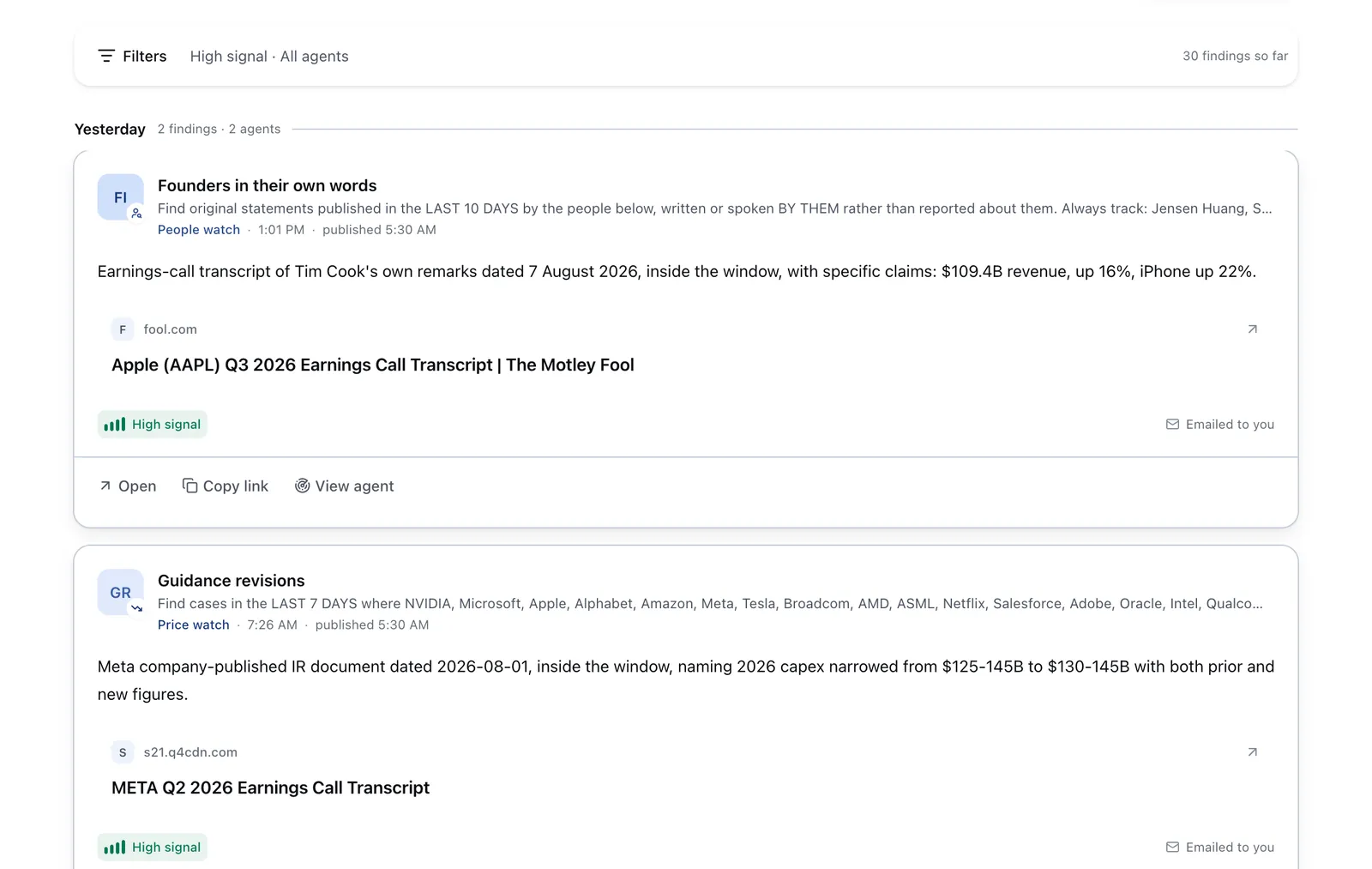
Publish your civil engineering skills on your Parlel profile and set your status to open-to-work. Parlel’s AI-powered agents continuously scan job markets and hiring managers’ searches to match your skills with relevant roles. You can also follow or run agents watching for civil engineering jobs in your specialty and preferred locations.
Explore current opportunities and connect with recruiters on Parlel’s Explore and Jobs pages. This proactive approach helps you get found by hiring managers while you focus on your applications.
Keep reading
- ATS Resume Template — Optimize your resume for applicant tracking systems.
- Resume for Freshers — Craft a resume that stands out as a new graduate.
- Resume Keywords — Use the right keywords to get noticed by recruiters and AI.
Sources and further reading
- Civil Engineer Jobs - Apply Now
- 233 Civil Engineer Jobs in USA
- Find Civil Engineering Jobs
- 59,000+ Civil Engineering jobs in United States
- 20 Jobs You Can Get With a Civil Engineering Degree
Frequently Asked Questions
What jobs can you get with a civil engineering degree?
A civil engineering degree opens doors to roles such as structural engineer, transportation engineer, water resources engineer, construction manager, environmental engineer, and land development engineer. Entry-level jobs include internships and Engineer-in-Training (EIT) positions that lead to licensure and specialized careers.
Are civil engineers in demand?
Yes. The U.S. Bureau of Labor Statistics projects a 6% employment growth for civil engineers from 2025 to 2035, faster than average. Infrastructure investments and maintenance needs drive steady demand, resulting in about 22,700 openings annually.
What is the average salary for a civil engineer?
The median annual wage for civil engineers was $100,840 in 2025. Federal government civil engineers earned a higher median of $117,790. Salaries vary by location, experience, specialty, and employer.
What qualifications do you need to become a civil engineer?
Typically, a bachelor’s degree in civil engineering from an ABET-accredited program is required. Passing the Fundamentals of Engineering (FE) exam and gaining work experience under a licensed Professional Engineer (PE) are necessary steps before taking the PE exam to become licensed.
What are the different types of civil engineering jobs?
Civil engineering jobs include specialties such as transportation engineering (roads, bridges), structural engineering (buildings, towers), water resources engineering (flood control, water supply), and land development (site planning, utilities). Each specialty requires specific skills and knowledge.