TL;DR
- Clinical research roles range widely from entry-level to senior trial leadership, with diverse employer types including hospitals, biotech, and government.
- Key job titles include Clinical Research Coordinator (CRC), Clinical Research Associate (CRA), and Trial Manager, each with distinct responsibilities.
- Entry-level clinical research jobs are accessible with no prior experience by leveraging transferable skills and certifications.
- Salary varies by role, experience, and location; understanding pay ranges and benefits helps negotiate effectively.
- Use targeted job boards and professional networks like Parlel to tailor your search and get discovered by hiring agents matching your skills.
Clinical Research Jobs: Roles, Employers, and Career Levels
Clinical research is a dynamic field that supports the development of new medical treatments through clinical trials and studies. Jobs in this sector vary widely by role, seniority, and employer type. Common employers include pharmaceutical companies, contract research organizations (CROs), hospitals, universities, and government agencies.
Career Levels and Employers
- Entry-level positions such as Clinical Trial Assistant or Data Coordinator often require a high school diploma or associate degree, with some roles open to candidates without prior clinical trial experience. These jobs focus on data entry, document management, and participant communication.
- Mid-level roles like Clinical Research Coordinator (CRC) typically require a bachelor’s degree and 1-2 years of clinical research experience. CRCs manage day-to-day trial operations, including participant recruitment and regulatory compliance.
- Senior roles such as Clinical Research Associate (CRA) or Trial Manager involve monitoring trial progress, ensuring protocol adherence, and overseeing multiple study sites. These positions often require several years of experience and advanced certifications.
- Government and federal roles may include Clinical Trials Program Coordinator positions, emphasizing regulatory oversight, quality assurance, and participant safety.
Employers range from large pharmaceutical companies and CROs to academic medical centers and government agencies. For example, listings on Indeed show openings at Pharmaron, university hospitals, and biotech startups.
What Does Each Clinical Research Job Title Do?
Understanding the responsibilities associated with common clinical research job titles helps you target your applications effectively.
-
Clinical Research Coordinator (CRC): Manages the daily operations of clinical trials at a study site. Duties include recruiting and retaining participants, collecting data, ensuring compliance with Good Clinical Practice (GCP), and liaising with sponsors and regulatory bodies. According to Indeed listings, CRC roles often require 1-2 years of experience and knowledge of electronic data capture systems.
-
Clinical Research Associate (CRA): Monitors clinical trials to ensure protocol adherence and data integrity. CRAs conduct site visits, review case report forms, and verify informed consent documentation. This role demands strong regulatory knowledge and experience with risk-based monitoring, as described in the USAJOBS Clinical Trials Program Coordinator announcement.
-
Clinical Trial Assistant (CTA): Supports trial teams with administrative tasks such as document management, scheduling, and communication. CTAs typically require less experience and can be an entry point into clinical research.
-
Data Manager / Data Coordinator: Responsible for managing clinical trial data, ensuring accuracy, and maintaining databases. Familiarity with clinical trial management systems (CTMS) and electronic data capture (EDC) tools is essential.
-
Trial Manager / Project Manager: Oversees multiple clinical trials or sites, managing timelines, budgets, and team coordination. Requires significant experience in clinical research operations.
Clinical Research Jobs With No Experience: Realistic Entry Routes
Breaking into clinical research without prior experience is achievable by focusing on transferable skills, certifications, and strategic job searching.
Entry Routes Include:
-
Clinical Trial Assistant or Data Entry Roles: These positions often require minimal experience and provide exposure to clinical trial processes, documentation, and regulatory compliance.
-
Certifications: Obtaining certifications such as the Certified Clinical Research Professional (CCRP) or Good Clinical Practice (GCP) training can boost your credibility.
-
Healthcare or Laboratory Experience: Roles in nursing, pharmacy, or lab work can provide relevant skills that transfer to clinical research coordination.
-
Internships and Volunteer Opportunities: Many research institutions offer internships or volunteer roles that provide hands-on experience.
-
Networking: Joining professional networks like Parlel allows you to connect with recruiters and agents who specialize in clinical research roles.
Qualifications, Certifications, and Skills Employers Ask For
Employers’ requirements for clinical research jobs vary by role, but common qualifications include:
-
Education: Positions range from requiring a high school diploma or equivalent to bachelor’s or master’s degrees in life sciences, nursing, or related fields. For example, some Indeed listings specify a bachelor’s degree plus experience.
-
Experience: Entry-level roles may require none, while coordinator and associate roles typically require 1-3 years of clinical trial experience.
-
Certifications: GCP certification is often mandatory. Additional certifications like CCRP or Certified Clinical Research Coordinator (CCRC) are advantageous.
-
Technical Skills: Familiarity with electronic data capture (EDC) systems, case report forms (CRFs), clinical trial management systems (CTMS), and regulatory documentation.
-
Soft Skills: Strong communication, organizational skills, attention to detail, and ability to work under regulatory frameworks.
-
Regulatory Knowledge: Understanding FDA regulations, IRB processes, and human subjects protection is critical, especially for federal or senior roles.
Clinical Research Salary: How to Compare Pay and Benefits
Salaries in clinical research vary widely depending on role, experience, and location.
-
Entry-level roles such as Clinical Trial Assistants may earn between $40,000 to $55,000 annually (illustrative).
-
Clinical Research Coordinators typically earn from $55,000 to $75,000, depending on experience and employer.
-
Clinical Research Associates and Trial Managers can earn $70,000 to $100,000 or more, especially in pharmaceutical or biotech sectors.
-
Government roles may offer competitive salaries with additional benefits related to federal employment.
When comparing offers, consider benefits like health insurance, retirement plans, paid time off, and opportunities for professional development.
Where to Find Clinical Research Jobs and Set Up a Better Search
Finding the right clinical research job requires targeted searching and efficient use of job boards and networks.
Top Job Boards and Resources:
-
Indeed: Offers a broad range of clinical research jobs across all levels and locations. Use filters for entry-level, remote, salary-disclosed, and no-experience-required roles. See Clinical Research Jobs on Indeed.
-
LinkedIn Jobs: Features over 11,000 clinical research jobs in the U.S., including university, hospital, biotech, and pharmaceutical openings. Use advanced search filters and set job alerts. Visit Clinical Research Jobs on LinkedIn.
-
USAJOBS: For federal clinical trial coordination roles emphasizing regulatory compliance and quality assurance. See Clinical Trials Program Coordinator.
-
Parlel: An open professional network where you can create a profile, publish your skills, and get discovered by hiring managers and AI agents. Use Parlel’s job and people search to find roles matching your qualifications.
Tips for Better Search:
-
Use specific job titles like "Clinical Research Coordinator," "Clinical Trial Assistant," or "Clinical Research Associate" rather than broad terms.
-
Filter by location, remote options, and experience level.
-
Set up job alerts to receive notifications for new postings.
-
Network with recruiters and professionals in the field.
How to Tailor Your Resume for Clinical Research Applications
A well-crafted resume increases your chances of landing interviews in clinical research.
Key Resume Tips:
-
Highlight Relevant Skills: Include GCP knowledge, experience with EDC/CTMS systems, participant recruitment, and regulatory compliance.
-
Use Keywords: Incorporate terms from job descriptions such as "clinical trial monitoring," "data management," "protocol adherence," and "informed consent."
-
Showcase Certifications: List GCP and any clinical research certifications prominently.
-
Quantify Achievements: Mention the number of trials supported, participant retention rates, or data accuracy improvements.
-
Tailor for Each Role: Adjust your resume to emphasize the skills and experience most relevant to the specific job.
For guidance on resume keywords and templates, see our related guides: ATS Resume Template, Resume for Freshers, and Resume Keywords.
Clinical Research Career Path: From Coordinator to Trial Leadership
Clinical research offers clear career progression for motivated professionals.
-
Start as Clinical Trial Assistant or Data Coordinator: Gain foundational knowledge of trial documentation and processes.
-
Advance to Clinical Research Coordinator: Manage site-level operations and participant interactions.
-
Move into Clinical Research Associate or Monitor roles: Oversee multiple sites and ensure study compliance.
-
Progress to Trial Manager or Project Manager: Lead entire clinical trials, managing budgets, teams, and timelines.
-
Senior Leadership: Roles such as Director of Clinical Research or Principal Investigator involve strategic planning and oversight of research programs.
Continuous education, certifications, and networking accelerate career growth.
Run it on Parlel
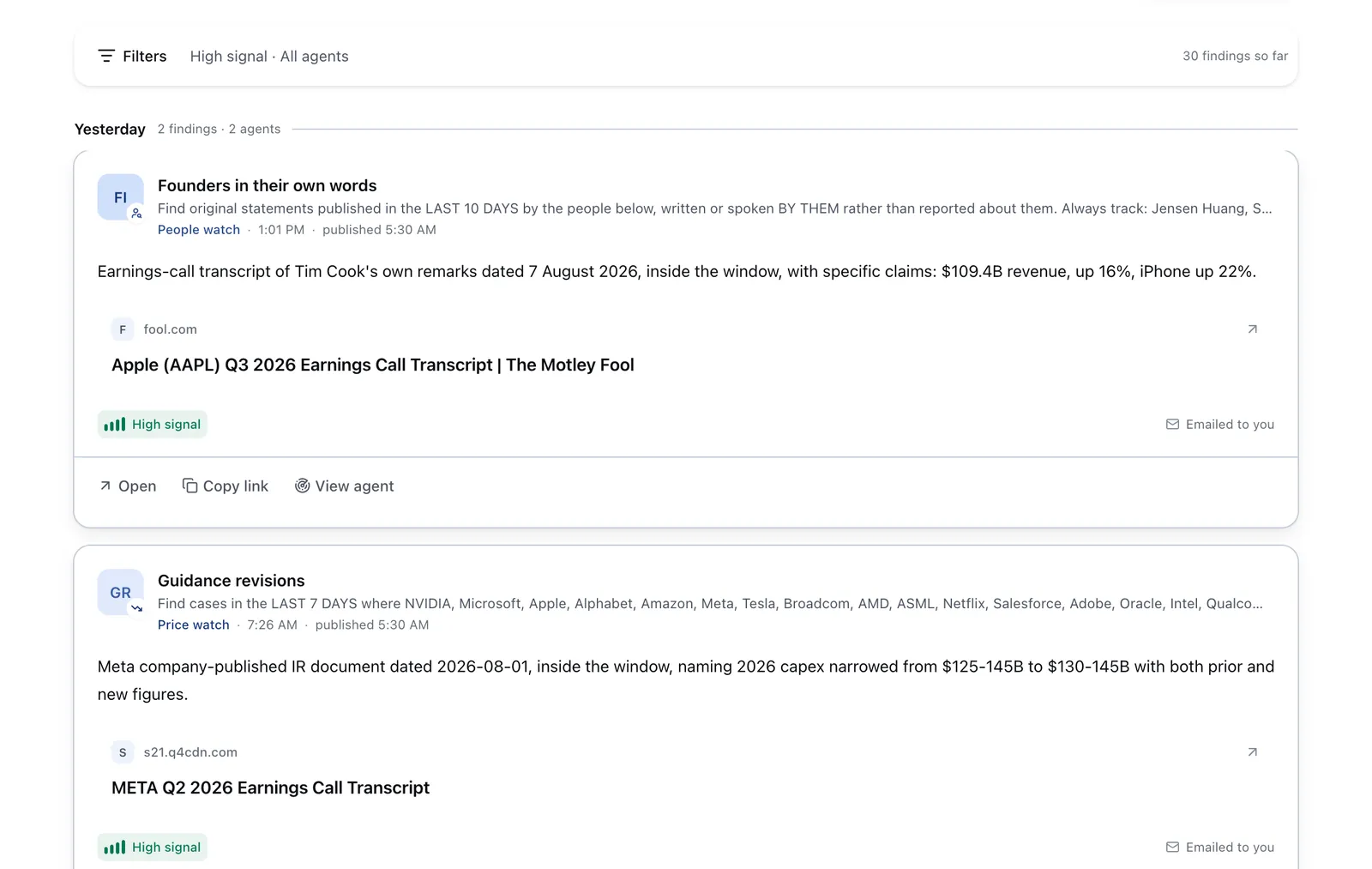
Publish your clinical research skills on your Parlel profile and set your status to open-to-work. Parlel’s AI-driven agents watch for roles matching your expertise, notifying you of opportunities without constant searching. You can also follow agents tracking clinical research jobs and connect with hiring managers.
Explore clinical research roles and network with professionals at Explore and browse current openings at Jobs.
Keep reading
FAQ
What qualifications do you need to work in clinical research?
Qualifications vary by role. Some entry-level jobs require a high school diploma, while coordinator and associate roles often require a bachelor’s degree in life sciences or healthcare plus relevant experience. Certifications like GCP training are commonly required. (Indeed)
How do I get a job in clinical research with no experience?
Start with entry-level roles such as Clinical Trial Assistant or data entry positions. Obtain certifications like GCP, leverage any healthcare or lab experience, and consider internships or volunteering. Networking on platforms like Parlel can help you get discovered by recruiters.
What does a clinical research coordinator do?
A Clinical Research Coordinator manages the daily operations of clinical trials at a site, including participant recruitment, data collection, regulatory compliance, and communication with sponsors. (Indeed)
How much do clinical research jobs pay?
Salaries vary widely: entry-level roles may start around $40,000, coordinators typically earn $55,000-$75,000, and senior roles can exceed $100,000 depending on experience and employer. Government roles may offer competitive pay and benefits. (Illustrative)
What is the difference between a clinical research coordinator and a clinical research associate?
A Clinical Research Coordinator manages trial activities at a single site, focusing on participant interaction and data collection. A Clinical Research Associate monitors multiple sites, ensuring protocol compliance and data integrity, often involving travel and oversight responsibilities. (USAJOBS)
Sources and further reading
- Clinical Research Jobs, Employment - Indeed
- 11,000+ Clinical Research Jobs in United States - LinkedIn
- Clinical Trials Program Coordinator - USAJOBS