TL;DR
- Cloud engineer jobs span various locations, work arrangements, and specializations, with strong demand for AWS, Azure, and Google Cloud skills.
- Key responsibilities include integrating cloud applications, upgrading systems, troubleshooting, and providing cloud platform support.
- Employers typically require hands-on experience with major cloud platforms, container tools like Docker and Kubernetes, and infrastructure as code.
- Starting salaries in the U.S. range from $110,000 to $155,000, with higher pay for specialized skills and experience.
- Building a portfolio with real projects and certifications boosts your chances; use Parlel to showcase your skills and get found by hiring agents.
Cloud Engineer Jobs: Current Openings by Location and Work Arrangement
Cloud engineer positions are available across the United States and globally, with a mix of onsite, remote, and hybrid work options. Job boards such as JoinDevOps and Monster list openings in tech hubs like San Francisco, Seattle, New York, and Austin, as well as remote roles that allow flexibility.
Employers range from startups to large enterprises, seeking cloud engineers for infrastructure management, security, and development operations. Many listings specify the cloud provider (AWS, Azure, Google Cloud) and seniority level, from entry to senior engineer roles. Filtering by location, salary, and work arrangement helps narrow down the best fit.
For example, Dice offers detailed filters to compare salary ranges, required certifications, and cloud platforms, making it easier to identify roles matching your experience and goals.
What Cloud Engineers Do on the Job
Cloud engineers design, implement, and maintain cloud infrastructure and services. Their daily tasks often include:
- Integrating cloud applications with existing systems
- Upgrading and patching cloud platforms to ensure security and performance
- Troubleshooting issues related to cloud environments and applications
- Automating infrastructure deployment using tools like Terraform or CloudFormation
- Monitoring cloud systems for reliability and scalability
- Collaborating with development teams to support continuous integration and delivery
According to the WGU career guide, cloud engineers also provide ongoing cloud support and help optimize costs and resource usage.
Cloud Engineer Job Titles and Specializations to Search
Cloud engineering encompasses various specialized roles. When searching for jobs, consider these common titles:
- Cloud Engineer – Generalist role covering cloud infrastructure and support
- Cloud Infrastructure Engineer – Focus on building and maintaining cloud infrastructure
- Cloud Security Engineer – Specializes in securing cloud environments and compliance
- DevOps Engineer – Combines development and operations, often with cloud automation
- Site Reliability Engineer (SRE) – Ensures reliability and uptime of cloud services
- Cloud Solutions Architect – Designs cloud solutions tailored to business needs
Each title may emphasize different skills or cloud platforms, so tailor your search and applications accordingly. Use filters on sites like Built In to explore roles by specialization and seniority.
Skills and Tools Employers Commonly Require
Employers expect cloud engineers to have hands-on experience with at least one major cloud platform:
- Amazon Web Services (AWS)
- Microsoft Azure
- Google Cloud Platform (GCP)
Beyond cloud platforms, proficiency with containerization and orchestration tools is essential:
- Docker
- Kubernetes
Infrastructure as code (IaC) tools like Terraform and AWS CloudFormation are frequently mentioned in job descriptions. Familiarity with scripting languages (Python, Bash) and automation frameworks also helps.
Security knowledge, monitoring tools, and experience with CI/CD pipelines are increasingly important. Robert Half’s 2026 Salary Guide highlights these as baseline requirements for most cloud engineering roles.
Cloud Engineer Salary: What Listings and Salary Guides Show
Cloud engineering is a well-compensated field. According to Robert Half’s 2026 Salary Guide, starting salaries for cloud engineers in the U.S. typically range from $110,000 to $155,000 depending on location, experience, and specialization.
Job boards like Dice and Built In often provide salary estimates alongside listings, showing that senior roles or those requiring niche skills (e.g., cloud security) command higher pay.
Remote roles may offer competitive salaries comparable to major metro areas, expanding opportunities for candidates outside traditional tech hubs.
Experience, Education, and Certifications: What Employers Expect
While a master’s degree is not strictly required, employers generally look for:
- Relevant IT experience, especially with cloud platforms and infrastructure
- Active certifications such as:
- AWS Certified Solutions Architect or Developer
- Microsoft Certified: Azure Administrator or Solutions Architect
- Google Cloud Professional Cloud Architect or Engineer
Hands-on experience is critical. Many listings require candidates to demonstrate projects or work history involving cloud deployment, automation, and troubleshooting.
Entry-level cloud engineer jobs exist but typically expect familiarity with cloud fundamentals and some practical experience, either through internships, bootcamps, or personal projects.
How to Find and Evaluate Cloud Engineer Job Listings
To find the best cloud engineer jobs:
- Use specialized job boards like JoinDevOps, Built In, and Dice that focus on tech roles.
- Filter listings by cloud platform, experience level, location, salary, and work arrangement.
- Read job descriptions carefully to distinguish true cloud engineering roles from adjacent jobs like general software development or IT support.
- Check if the employer requires specific certifications or tools.
- Look for roles that mention automation, infrastructure as code, and container orchestration to align with industry trends.
Evaluating listings with these criteria helps target applications to roles where you have the best fit and growth potential.
How to Build a Portfolio That Matches Cloud Engineer Roles
A strong portfolio demonstrates your ability to solve real-world cloud problems:
- Create projects deploying applications on AWS, Azure, or GCP.
- Use infrastructure as code tools like Terraform to automate deployments.
- Showcase containerized applications with Docker and Kubernetes.
- Include scripts or automation workflows for CI/CD pipelines.
- Document troubleshooting or optimization cases.
- Share your code on GitHub or similar platforms with clear READMEs.
Certifications and hands-on labs complement your portfolio. Employers value candidates who can show practical skills beyond theoretical knowledge.
Run it on Parlel
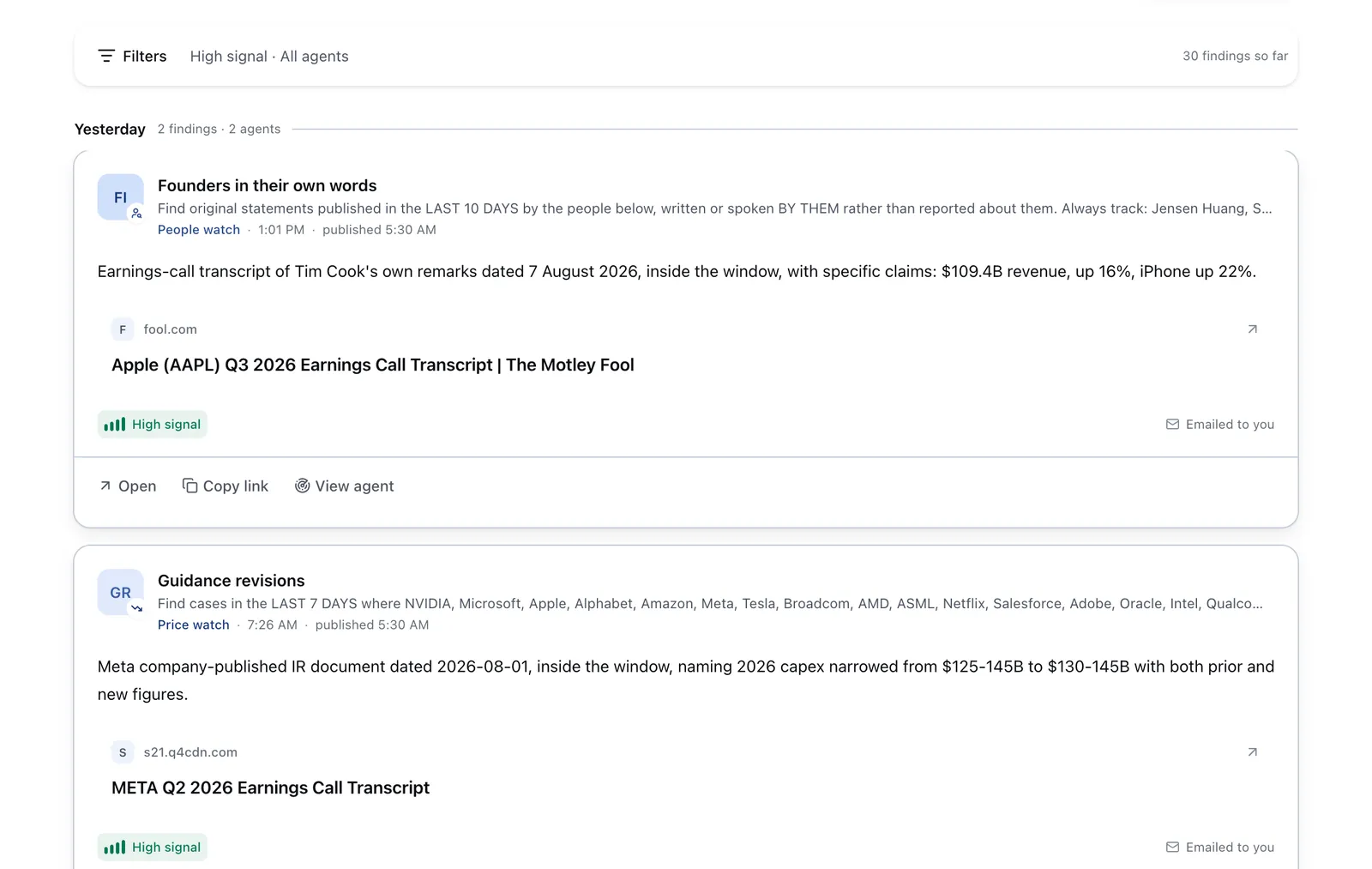
Publish your cloud engineering skills on your Parlel profile and set your status to open-to-work. Parlel’s AI-powered agents actively watch for roles matching your skills and notify you of new opportunities. You can also follow or run agents monitoring cloud engineer jobs to stay ahead.
Explore current roles and connect with hiring managers on Parlel Explore and browse live listings on Parlel Jobs.
Keep reading
- ATS Resume Template — Optimize your resume for applicant tracking systems.
- Resume for Freshers — Build your first professional resume.
- Resume Keywords — Use the right keywords to get noticed by recruiters.
Sources and further reading
- Cloud Engineer jobs - JoinDevOps
- Best Cloud Engineer Jobs 2026 - Built In
- Cloud engineer jobs - Dice
- Cloud Engineer Jobs Near Me (New & Hiring Now) - Monster
- How to become a cloud engineer in 2026: Skills, salary ... - Robert Half