TL;DR
- Content moderators review posts, images, videos, and profiles to enforce platform guidelines and remove violations like harassment, misinformation, and illegal content.
- Roles vary from contract and remote positions to full-time on-site jobs, with some requiring social media tool experience and others open to entry-level candidates.
- Salaries depend on location and employer, typically requiring a high school diploma or equivalent; some prefer a bachelor’s degree.
- Prepare your resume with relevant keywords and examples of moderation or customer service experience; practice interview questions about handling sensitive content.
- Use Parlel to publish your skills, set open-to-work, and run agents that notify you of matching content moderator jobs.
Content Moderator Jobs: What the Role Involves
Content moderators play a critical role in keeping online communities safe, respectful, and compliant with platform policies. According to Indeed, typical duties include:
- Reviewing text, images, videos, and user profiles against detailed platform guidelines.
- Removing content that violates rules related to harassment, violence, discrimination, adult content, misinformation, or illegal activity.
- Escalating high-risk cases to specialized teams.
- Documenting decisions and maintaining accurate records of moderation actions.
Some roles also involve responding to customer queries and engaging with community members to foster positive interactions, especially in social media moderation jobs (Online Moderation).
The job demands attention to detail, quick decision-making, and the ability to handle potentially disturbing content with professionalism.
Types of Content Moderation Jobs and Job Titles
Content moderation jobs come in various forms and titles. Common roles include:
- Content Moderator: The generalist role focused on reviewing user-generated content.
- Trust and Safety Specialist: Often involves policy enforcement and risk assessment.
- Community Moderator: Engages with users and manages community standards.
- Social Media Moderator: Monitors social feeds, answers queries, and manages platform tools.
- User Operations Specialist: Focuses on user account reviews and compliance.
Employers may use related terms such as "content reviewer," "policy analyst," or "online safety analyst." Searching broadly for these titles on job platforms like LinkedIn can uncover more opportunities.
Where to Find Current Content Moderator Openings
Several platforms list active content moderator jobs, including remote and on-site roles:
- Indeed: Offers a wide range of U.S.-based listings with detailed job descriptions and qualifications (Indeed Content Moderator Jobs).
- LinkedIn: Provides filters for experience level, location, and employers, plus related job titles (LinkedIn Content Moderator Jobs).
- FlexJobs: Specializes in remote, freelance, and flexible moderation roles, including bilingual opportunities (FlexJobs Remote Content Moderator Jobs).
- Online Moderation: Focuses on contract roles monitoring social media feeds and customer support (Online Moderation Jobs).
- ZipRecruiter: Aggregates listings with salary estimates and qualification details (ZipRecruiter Content Moderation Jobs).
When searching, use keywords beyond “content moderator,” such as “trust and safety,” “community moderator,” or “user operations” to broaden your options.
Remote, On-Site, and Contract Roles: What to Check
Content moderation jobs vary widely in work location and contract type:
- Remote Roles: Many companies offer fully remote moderation jobs, especially for social media monitoring and customer support. However, some remote listings may have location restrictions or require specific time zone availability (FlexJobs).
- On-Site Positions: Larger platforms or specialized teams may require moderators to work in offices, often to handle sensitive or graphic content with additional support.
- Contract vs. Full-Time: Contract roles are common, especially for social media moderation and community engagement, often with shift work and specific response-time goals (Online Moderation). Full-time roles may offer more benefits and stability.
Before applying, verify the role’s schedule, contract length, remote eligibility, and expected workload to ensure it fits your needs.
Content Moderator Salary, Benefits, and Shift Patterns
Salary for content moderators varies by employer, location, and experience:
- Entry-level roles often start near minimum wage or slightly above, with some listings showing $15-$20 per hour as illustrative ranges (Indeed).
- Experienced moderators or those in specialized trust and safety roles can earn higher pay, sometimes with bonuses or shift differentials.
- Benefits depend on employer and contract type; full-time jobs may include health insurance, paid time off, and retirement plans, whereas contract roles often do not.
- Shift patterns can include day, evening, overnight, or weekend hours to cover 24/7 moderation needs.
When considering a job, ask about exposure to graphic or sensitive content and what support or counseling is provided.
Skills and Qualifications Employers Commonly Seek
Most content moderator job listings require:
- A high school diploma or equivalent as a minimum; some prefer a related bachelor’s degree (Indeed).
- Strong attention to detail and the ability to apply complex guidelines consistently.
- Good communication skills for documenting decisions and interacting with users or team members.
- Familiarity with social media platforms and content management tools is often required, especially for social media moderation roles (Online Moderation).
- Ability to work under pressure and handle sensitive or disturbing content professionally.
- Basic computer skills and comfort with multiple software applications.
For remote roles, reliable internet and a quiet workspace are essential.
How to Apply: Resume Tips and Interview Preparation
Resume Tips
- Use keywords from job descriptions such as “content review,” “policy enforcement,” “community engagement,” and “trust and safety.”
- Highlight any experience with social media platforms, customer service, or online community management.
- Include examples demonstrating your ability to handle sensitive situations or enforce guidelines.
- Use a clean, ATS-friendly format; see our guide on ATS Resume Templates.
Interview Preparation
- Be ready to discuss how you would handle specific moderation scenarios, including borderline content and escalations.
- Prepare to talk about your stress management strategies when dealing with disturbing material.
- Show understanding of platform policies and the importance of maintaining user safety.
- Practice common questions like “What does a content moderator do?” and “How do you stay objective under pressure?”
Sensitive Content, Wellbeing, and Questions to Ask Before Accepting
Content moderation can be stressful due to exposure to harmful or graphic material. Before accepting a job, consider asking:
- What types of content will I be reviewing, and how often?
- What support systems are in place for moderators exposed to disturbing content?
- Are there opportunities for breaks or rotation to reduce burnout?
- What training and resources will I receive to perform my role effectively?
- What are the shift patterns and flexibility options?
Understanding these factors helps protect your wellbeing and ensures a sustainable work environment.
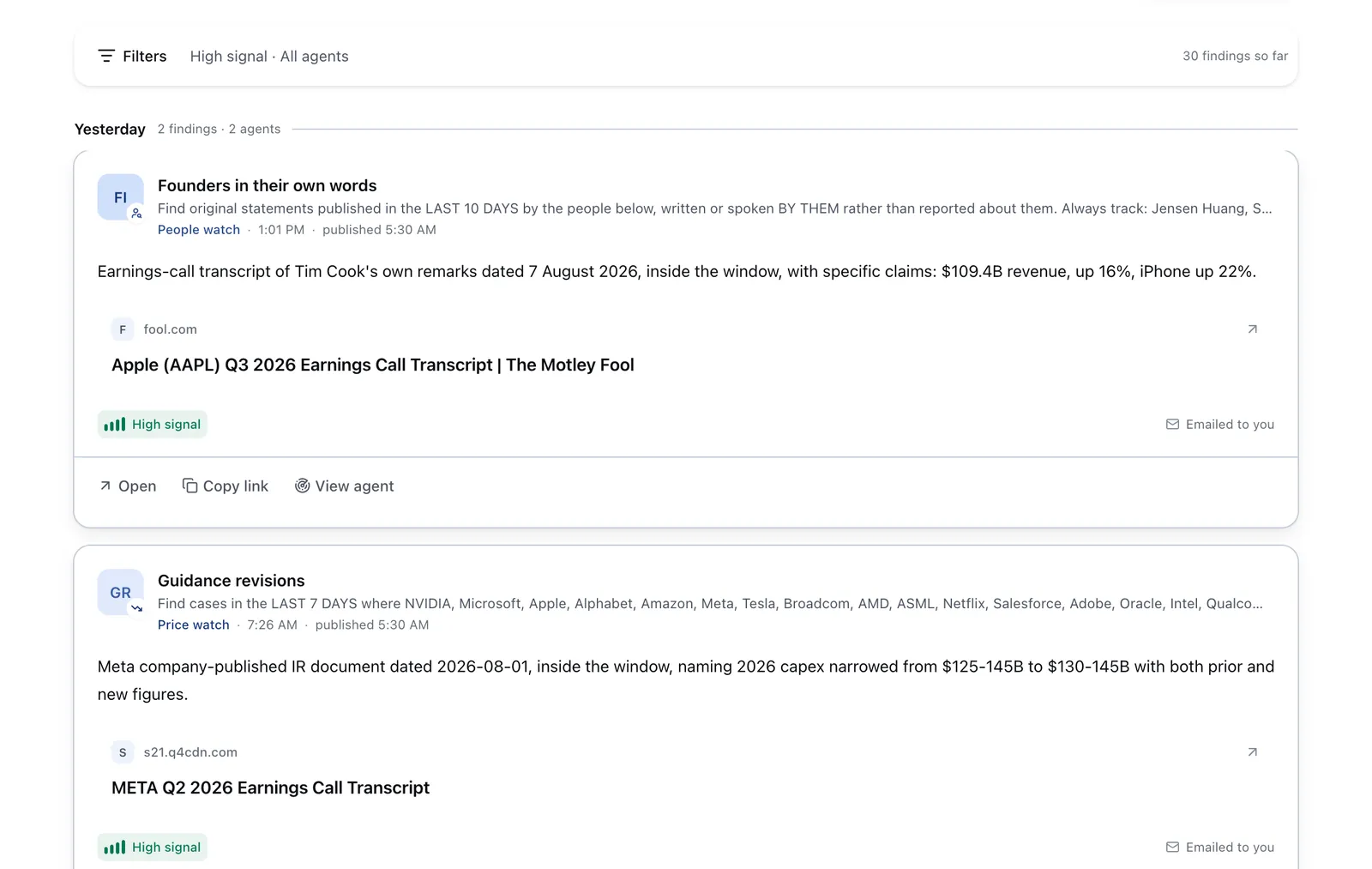
Run it on Parlel
Publish your content moderation skills on your Parlel profile and set your status to open-to-work. You can also run or follow an agent watching for content moderator roles matching your skills and preferences. This way, you get notified about new job openings without constant searching. Explore roles and agents on /explore and apply directly via /jobs.
Keep reading
- ATS Resume Template — How to format your resume for automated screening.
- Resume for Freshers — Tips for those new to the workforce.
- Resume Keywords — Use the right words to get noticed by recruiters.
Sources and further reading
- Content Moderator Jobs, Employment in United States - Indeed
- Content Moderator Jobs in United States - LinkedIn
- Remote Content Moderator Jobs - Work From Home & Flexible - FlexJobs
- Content Moderator Jobs — Work From Home - Online Moderation
- Content Moderation Jobs (NOW HIRING) - ZipRecruiter