TL;DR
- Expect questions on data cleaning, SQL, statistics, and stakeholder communication in your data analyst interview.
- Prepare structured answers using frameworks emphasizing problem-solving, technical skills, and clear communication.
- Practice SQL queries, A/B testing concepts, and Excel or Python data manipulation tasks.
- Behavioral questions focus on project experience, mistakes, and explaining data insights to nontechnical audiences.
- Use a checklist and mock interviews to prepare effectively and ask insightful questions about the role and team.
What to Expect in a Data Analyst Interview
Data analyst interviews in 2026 typically assess a blend of technical skills, analytical reasoning, and communication abilities. Employers want to see how you handle messy data, use tools like SQL and Excel, apply statistics, and translate findings into actionable business insights.
Interview stages often include:
- Screening questions about your background and motivation.
- Technical assessments covering SQL queries, data cleaning, and data visualization.
- Problem-solving scenarios involving statistics, A/B testing, and analytical reasoning.
- Behavioral questions exploring your project experience, teamwork, and communication skills.
- Questions from candidates to the interviewer about the role and data team.
Preparing for these stages with a clear understanding of the core data analysis workflow — identifying, collecting, cleaning, analyzing, and interpreting data — will help you stand out (Coursera).
Common Data Analyst Interview Questions and Strong Answer Frameworks
When answering, use the STAR method (Situation, Task, Action, Result) to structure your responses clearly. Here are common questions with guidance:
-
"How do you handle missing or inconsistent data?"
Explain your approach to identifying missing values, deciding between imputation or exclusion, and validating data integrity. Mention tools or scripts you use. -
"Describe a challenging data project and how you overcame obstacles."
Outline the problem context, your role, the technical or communication challenges, and the successful outcome. -
"How do you communicate complex data findings to nontechnical stakeholders?"
Highlight your use of clear visuals, storytelling, and focusing on business impact rather than technical jargon. -
"What metrics would you track for a dashboard and why?"
Discuss selecting actionable, relevant KPIs aligned with business goals, and how you ensure data accuracy. -
"Can you explain your data analysis workflow?"
Walk through identifying the problem, collecting data, cleaning it, analyzing with appropriate methods, and interpreting results to inform decisions.
Indeed recommends selecting 5–10 tailored questions from their comprehensive lists to prepare for interviews (Indeed).
SQL and Database Interview Questions With Practice Prompts
SQL remains a core skill for data analysts. Interviewers may ask you to:
- Write a query to select, filter, or aggregate data.
- Modify or debug an existing query.
- Explain SQL terminology like JOINs, GROUP BY, or subqueries.
Example prompt:
"Write a SQL query to find the top 3 products by sales in the last quarter."
How to prepare:
Practice writing queries on sample databases. Understand how to join tables, filter data, and use aggregate functions. Coursera notes that tasks may involve writing, describing, or debugging queries (Coursera).
Statistics, A/B Testing, and Analytical Reasoning Questions
Employers test your grasp of statistical concepts and experimental design:
-
Explain the five steps of data analysis:
Identify, collect, clean, analyze, and interpret data (Coursera). -
Describe how you would conduct an A/B test.
Discuss hypothesis formulation, sample selection, metrics, significance testing, and interpreting results. -
How do you validate your analysis results?
Talk about checking assumptions, cross-validating with different methods, and peer reviews. -
Explain a scenario where correlation does not imply causation.
Prepare by reviewing basic statistics, hypothesis testing, and practical examples of data-driven decision-making.
Excel, Python, and Data Visualization Questions
Data analysts often use Excel, Python, or visualization tools like Tableau or Power BI:
-
Excel:
Be ready to explain pivot tables, VLOOKUP, conditional formatting, and formulas for data cleaning. -
Python:
Interviewers may ask about libraries like pandas or matplotlib, or coding simple data manipulation tasks. -
Visualization:
Discuss how you choose chart types, design dashboards, and ensure clarity in presenting data insights.
Practice hands-on exercises and be ready to explain your choices and approach.
Behavioral Questions: Projects, Mistakes, and Stakeholder Communication
Behavioral questions assess how you work in teams and handle real-world challenges:
-
"Tell me about a time you made a mistake in your analysis."
Emphasize learning, corrective actions, and preventing recurrence. -
"How do you prioritize tasks when managing multiple projects?"
-
"Describe how you worked with a difficult stakeholder."
-
"What motivates you as a data analyst?"
Answer honestly, focusing on growth, communication, and collaboration skills.
How to Prepare: A Practical Checklist and Mock Interview Plan
Preparation checklist:
- Review core concepts: SQL, statistics, data cleaning, and visualization.
- Practice coding and query writing exercises.
- Prepare STAR stories for behavioral questions.
- Research the company and role specifics.
- Prepare insightful questions for the interviewer.
Mock interview plan:
- Conduct at least two mock interviews with peers or mentors.
- Time your responses and get feedback on clarity and confidence.
- Record yourself to improve body language and tone.
- Use real interview questions from trusted sources (Indeed, Coursera).
Questions to Ask the Interviewer About the Role and Data Team
Asking questions shows your interest and helps you evaluate fit:
- What are the biggest challenges your data team faces?
- How does this role contribute to company goals?
- What tools and technologies does the team use?
- How is success measured for data analysts here?
- Can you describe the collaboration between data analysts and other departments?
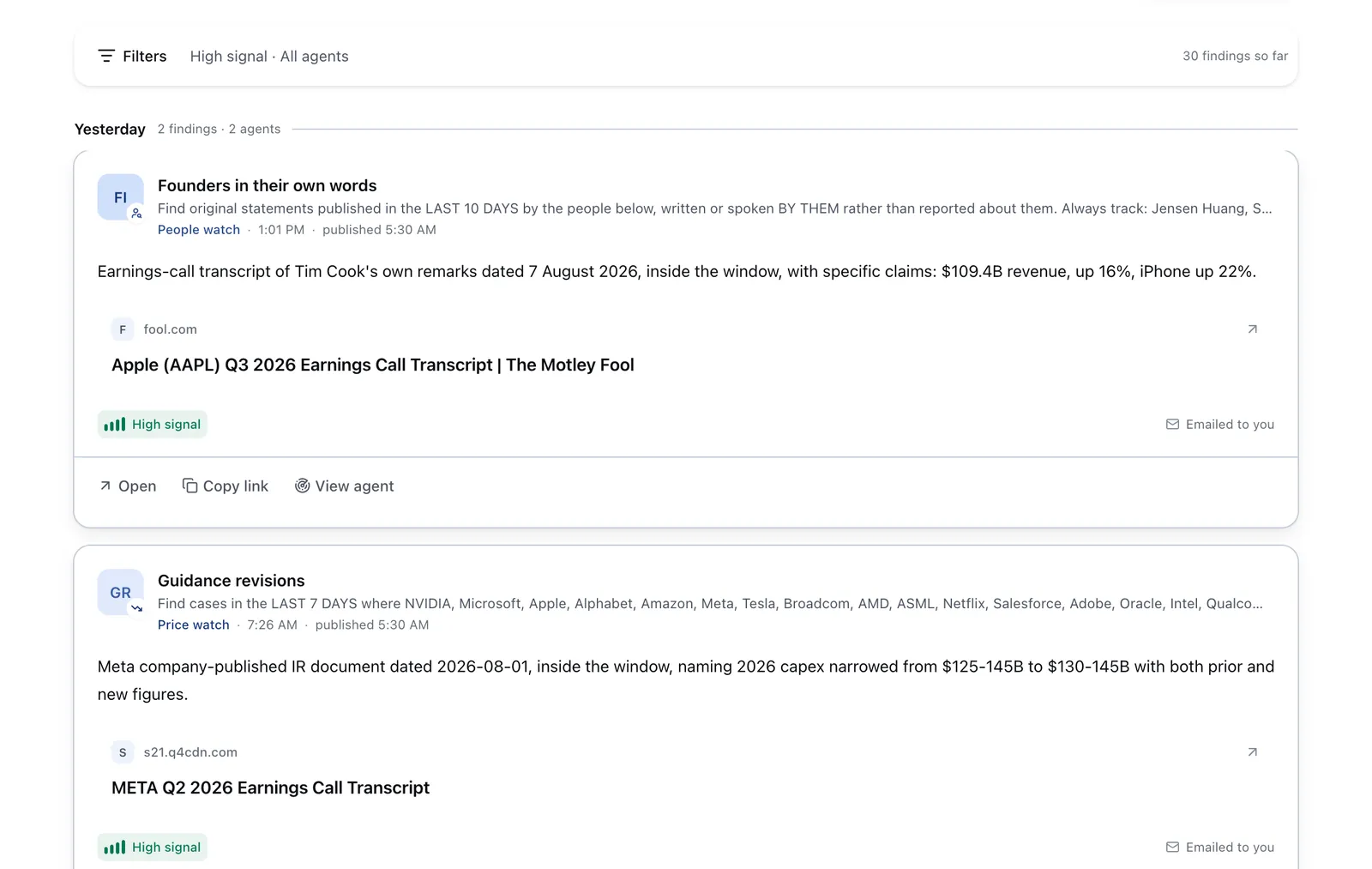
Run it on Parlel
Publish your data analysis skills on your Parlel profile and set your status to open-to-work. Parlel’s AI-powered agents watch for roles matching your skills and notify you of opportunities automatically. You can also run or follow agents watching jobs tagged with data analyst roles on the Explore page and browse available positions on the Jobs page. This way, you get found by hiring managers while you focus on preparing and applying.
Keep reading
Sources and further reading
- 49 Data Analytics Interview Questions (With Sample Answers)
- 58 Interview Questions for Data Analysts (Sample Answers)
- 15 Data Analyst Interview Questions and Answers
- Data Analyst Interview Questions & Prep Guide 2026
- 16 data analyst interview questions and answers