TL;DR
- Data labeling jobs involve tagging or annotating data (text, images, audio, video) to train machine learning models.
- Remote, freelance, contract, and full-time opportunities exist, with pay ranging roughly $16 to $28 per hour on average.
- Legitimate listings appear on sites like Indeed and ZipRecruiter, but verify contract terms and pay structures carefully.
- Key skills include attention to detail, familiarity with annotation tools, and sometimes domain expertise or language skills.
- Use Parlel to publish your skills, set open-to-work, and connect with hiring agents who match your profile to roles automatically.
What Are Data Labeling Jobs?
Data labeling jobs, also known as data annotation jobs, are roles where workers tag or annotate raw data—such as images, text, audio, or video—to make it understandable for machine learning algorithms. This process is essential for training AI systems to recognize patterns, classify content, or improve accuracy in tasks like speech recognition, image detection, or natural language processing.
Typical tasks include:
- Drawing bounding boxes around objects in images
- Transcribing audio clips
- Categorizing text snippets by sentiment or topic
- Reviewing AI-generated outputs for quality control
These jobs are often entry points into the AI and data science ecosystem, requiring no advanced degrees but a strong eye for detail and consistency.
Types of Data Labeling Work: Text, Images, Audio, Video, and AI Evaluation
Data labeling roles vary by the type of data and complexity:
- Text Annotation: Tagging entities (names, dates), sentiment analysis, or categorizing documents.
- Image Annotation: Labeling objects, segmenting images, or identifying features.
- Audio Annotation: Transcribing speech, tagging sounds, or evaluating voice commands.
- Video Annotation: Tracking objects frame-by-frame, labeling actions or events.
- AI Output Evaluation: Reviewing and scoring AI-generated content for accuracy and relevance.
Specialist roles may require domain knowledge—for example, medical image annotation or legal document tagging—and can command higher pay.
Where to Find Legitimate Data Labeling Jobs
Reliable job listings for data labeling appear on established job boards and platforms:
- Indeed: Offers a variety of remote data annotation roles, including AI output evaluation, transcription, and quality control. Listings show employer details, pay ranges, and required skills. See current remote data annotation jobs on Indeed
- ZipRecruiter: Aggregates data labeling jobs with pay estimates and examples of associate and operations roles. Explore data labeling jobs on ZipRecruiter
- Indeed Flexible Data Annotation: Focuses on freelance and contract roles with flexible schedules. Browse flexible annotation jobs
- Indeed Technical Annotation Roles: Lists specialist annotation and AI evaluation jobs requiring subject-matter expertise. View technical annotation jobs
When searching, filter for remote or contract options if you prefer flexibility. Always verify the legitimacy by checking employer reviews and job details.
Data Labeler Pay: What Listings Say—and What They Don’t
Pay for data labeling jobs varies widely:
- ZipRecruiter reports a U.S. average of $24.51 per hour as of September 2026, with most workers earning between $16.11 and $28.12 per hour. This is an aggregated estimate, not a guaranteed wage.
- Indeed listings show examples from $15 per hour for entry-level remote annotators to $50–$100 per hour for specialized AI trainer roles. These higher rates typically reflect advanced skills or domain expertise.
- Pay structures differ: some jobs pay hourly, others per task or project. Check if work volume is guaranteed or if pay is only for completed tasks.
- Contract and freelance roles may not offer benefits or steady hours, so factor this into your income expectations.
Always clarify payment terms before accepting work to avoid surprises.
Skills, Tools, and Experience Employers Look For
Employers seek candidates with:
- Attention to detail: Accuracy and consistency in labeling are critical.
- Basic computer skills: Comfortable using annotation software and following guidelines.
- Domain knowledge: Helpful for specialized roles (e.g., medical, legal).
- Language skills: For text or audio annotation in specific languages.
- Communication: Ability to ask questions and clarify ambiguous data.
- Experience: Entry-level roles often require no prior experience, but some familiarity with annotation tools is a plus.
Popular annotation tools include Labelbox, Supervisely, and custom in-house platforms. Training is often provided, but demonstrating quick learning ability helps.
How to Apply: A Practical Checklist and Sample Portfolio
When applying for data labeling jobs, follow this checklist:
- Prepare a resume highlighting attention to detail, relevant skills, and any annotation experience.
- Create a simple portfolio if possible, showing sample annotations or projects (even personal practice).
- Tailor your application to the job description, emphasizing skills mentioned.
- Research the company to ensure legitimacy and understand their data needs.
- Apply through official channels (company websites, verified job boards).
- Be ready for assessments or sample tasks to demonstrate your annotation quality.
For freshers, mention any coursework or online training related to AI or data science annotation.
Remote, Freelance, and Contract Work: Questions to Ask Before Accepting
Data labeling jobs often come as freelance or contract work. Before accepting, clarify:
- Is the role remote or on-site?
- What are the expected working hours or deadlines?
- How is pay calculated (hourly, per task, per project)?
- Is there a minimum guaranteed workload?
- Are there any training or certification requirements?
- What tools or software will you use?
- What is the process for feedback and revisions?
- Are there any non-disclosure or data privacy agreements?
Understanding these helps avoid low-pay, inconsistent work, or scams.
Scam Warning Signs and How to Verify a Job Posting
Unfortunately, data labeling is a target for scams. Watch for:
- Upfront fees or purchases required to start.
- Unclear job descriptions or promises of very high pay for little work.
- Requests for sensitive personal information early in the process.
- Poorly written or generic job ads.
- No verifiable company information or contact details.
Verify jobs by:
- Checking company reviews on sites like Glassdoor.
- Searching for the company’s official website.
- Confirming job postings appear on multiple reputable platforms.
- Contacting the employer directly if possible.
- Using Parlel to find verified roles and hiring agents.
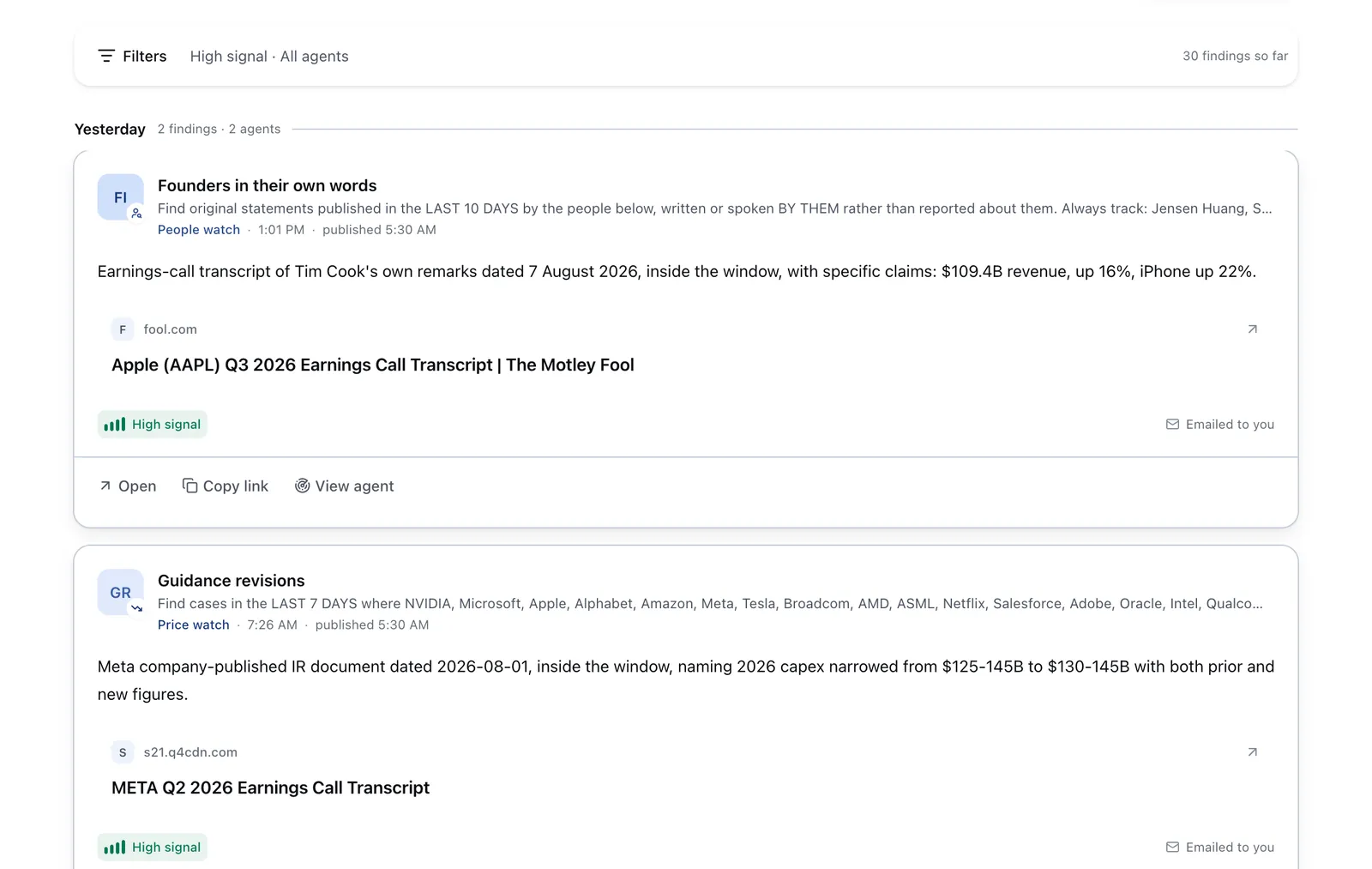
Run it on Parlel
Publish your data labeling and related skills on your Parlel profile, set your status to open-to-work, and optionally run or follow a hiring agent watching roles matching your expertise. Parlel’s AI-powered agents continuously scan for jobs fitting your skills and notify you instantly.
Explore opportunities and agents at /explore and browse live data labeling jobs at /jobs.
This way, you get matched with relevant roles automatically, increasing your chances of landing the right job efficiently.
Keep reading
- ATS Resume Template — Optimize your resume for applicant tracking systems.
- Resume for Freshers — Build a resume that stands out with no prior experience.
- Resume Keywords — Use the right keywords to get noticed by recruiters and AI.
Sources and further reading
- Data annotation jobs in Remote - Indeed
- Flexible Data Annotation Remote Jobs - Indeed
- Data annotation tech jobs in Remote - Indeed
- $16-$42/hr Data Labeling Jobs (NOW HIRING) Sep 2026 - ZipRecruiter
- Indeed career advice