TL;DR
- Electrician jobs are growing faster than average, with about 72,700 openings yearly through 2035.
- Pay varies widely by location, experience, and specialty; median U.S. wage is $63,190 per year.
- Roles range from apprentice to master electrician, each with distinct qualifications and responsibilities.
- Licenses and apprenticeships are typically required; check local regulations before applying.
- Use Parlel to showcase your skills, set open-to-work, and connect with agents matching electrician roles.
Electrician Jobs: Roles, Specialties, and Where They Work
Electrician jobs cover a broad spectrum of roles and specialties, each with unique work environments and responsibilities. Common specialties include:
- Residential Electricians: Install and maintain wiring and electrical systems in homes.
- Commercial Electricians: Work on larger buildings like offices, schools, and retail spaces, often handling more complex systems.
- Industrial Electricians: Maintain and repair electrical systems in factories and manufacturing plants, often involving heavy machinery.
- Maintenance Electricians: Focus on troubleshooting and repairing existing electrical systems across various settings.
- Solar Photovoltaic Installers: Specialize in installing and maintaining solar panel systems, a growing niche within the field.
Electricians work indoors and outdoors, on construction sites, in homes, industrial plants, and commercial buildings. Some roles require travel or shift work, including nights and weekends.
For live job listings and detailed role requirements, resources like Indeed's Electrician Jobs and LinkedIn’s Electrician Jobs offer filters by specialty, location, and experience.
What Electrician Jobs Pay: Compare Wages by Location and Experience
According to the U.S. Bureau of Labor Statistics (BLS), the median annual wage for electricians was $63,190 in 2025, or about $30.38 per hour. However, wages can vary significantly:
- Entry-level apprentices typically earn less as they learn on the job.
- Journeyman electricians earn more as they gain experience and licensing.
- Master electricians command the highest wages, often supervising others or running their own businesses.
Location also impacts pay; urban areas and regions with high demand often offer higher wages. Benefits such as health insurance, retirement plans, and paid leave vary by employer and role.
For current pay ranges and benefits, consult job boards like Indeed and Indeed’s career advice.
Apprentice, Journeyman, and Master Electrician: Which Jobs Can You Apply For?
Understanding the electrician career ladder is essential when searching for jobs:
- Apprentice Electrician: Entry-level position combining paid on-the-job training with classroom instruction. Apprenticeships last 4-5 years and are the primary path to becoming a licensed electrician.
- Journeyman Electrician: After completing an apprenticeship and passing licensing exams, journeymen can work independently on electrical systems. They perform installations, maintenance, and repairs.
- Master Electrician: Experienced electricians who have passed advanced licensing exams. Masters often supervise teams, design electrical systems, and handle complex projects.
Most states require licensing for journeymen and masters; apprentices work under supervision. Check your state’s licensing authority for specific requirements.
Job listings typically specify which level they are hiring for. For example, LinkedIn’s electrician jobs often tag roles as apprentice, journeyman, or master.
How to Find Electrician Jobs Near You and Evaluate Listings
Finding the right electrician job involves more than just browsing listings. Here are steps to help you evaluate opportunities:
- Use specialized job boards: Indeed and LinkedIn provide filters for location, experience level, and specialty.
- Check employer reputation: Research companies to understand work culture, benefits, and stability.
- Compare pay and benefits: Look beyond salary; consider health insurance, retirement plans, and paid time off.
- Review licensing and experience requirements: Ensure you meet or are close to meeting these before applying.
- Look for clear job descriptions: Good listings specify duties, work environment, shift details, and advancement opportunities.
For example, Indeed’s electrician jobs show hourly and annual compensation, shift schedules, and license requirements, helping you distinguish entry-level from experienced positions.
Licenses, Training, and Qualifications Employers Commonly Require
Most electrician jobs require some combination of education, training, and licensing:
- Education: A high school diploma or equivalent is generally required. Some may prefer or require technical school courses in electrical theory and safety.
- Apprenticeship: Typically 4-5 years of paid training combining classroom instruction and on-the-job experience.
- Licensing: Most states require electricians to be licensed; requirements vary by state or locality. Licensing usually involves passing an exam covering electrical theory, code, and safety.
- Certifications: Additional certifications, such as OSHA safety training or specialized skills (e.g., solar installation), can improve job prospects.
Employers look for candidates who demonstrate technical skills, problem-solving ability, physical stamina, and attention to safety.
Always verify licensing requirements for your target location using state or local licensing boards.
How to Build a Resume and Apply for Electrician Jobs
A strong resume tailored to electrician jobs should highlight:
- Relevant experience: Apprenticeships, previous electrician roles, and specific specialties.
- Licenses and certifications: Clearly list your current licenses and any certifications.
- Skills: Electrical systems knowledge, blueprint reading, safety compliance, troubleshooting, and use of tools.
- Education and training: Include technical school, apprenticeship programs, and continuing education.
- Achievements: Completed projects, safety records, or leadership roles.
Use keywords from job descriptions to pass applicant tracking systems (ATS). Guides like ats-resume-template and resume-keywords can help optimize your resume.
When applying, follow instructions carefully, submit all required documents, and tailor your cover letter to the job and employer.
Electrician Job Outlook, Work Conditions, and Safety Considerations
The BLS projects electrician employment to grow 9% from 2025 to 2035, faster than average for all occupations, with about 72,700 openings annually. Demand is driven by new construction, maintenance, and renewable energy projects.
Work conditions vary:
- Electricians work indoors and outdoors, often in cramped or elevated spaces.
- Physical stamina and manual dexterity are essential.
- Work may involve exposure to electrical hazards, falls, and cuts.
Safety is paramount. Electricians must follow strict safety protocols and use protective equipment to minimize risk. OSHA training and adherence to the National Electrical Code are standard.
Electrician Job Search Checklist: Questions to Ask Before Accepting an Offer
Before accepting an electrician job, consider asking:
- What are the exact duties and work environment?
- What is the pay structure (hourly, salary, overtime)?
- What benefits are included (health, retirement, paid leave)?
- Are there opportunities for advancement or further training?
- What are the shift hours and schedule flexibility?
- Is the employer licensed and insured?
- What safety measures and training does the employer provide?
Having clear answers helps ensure the job fits your career goals and personal needs.
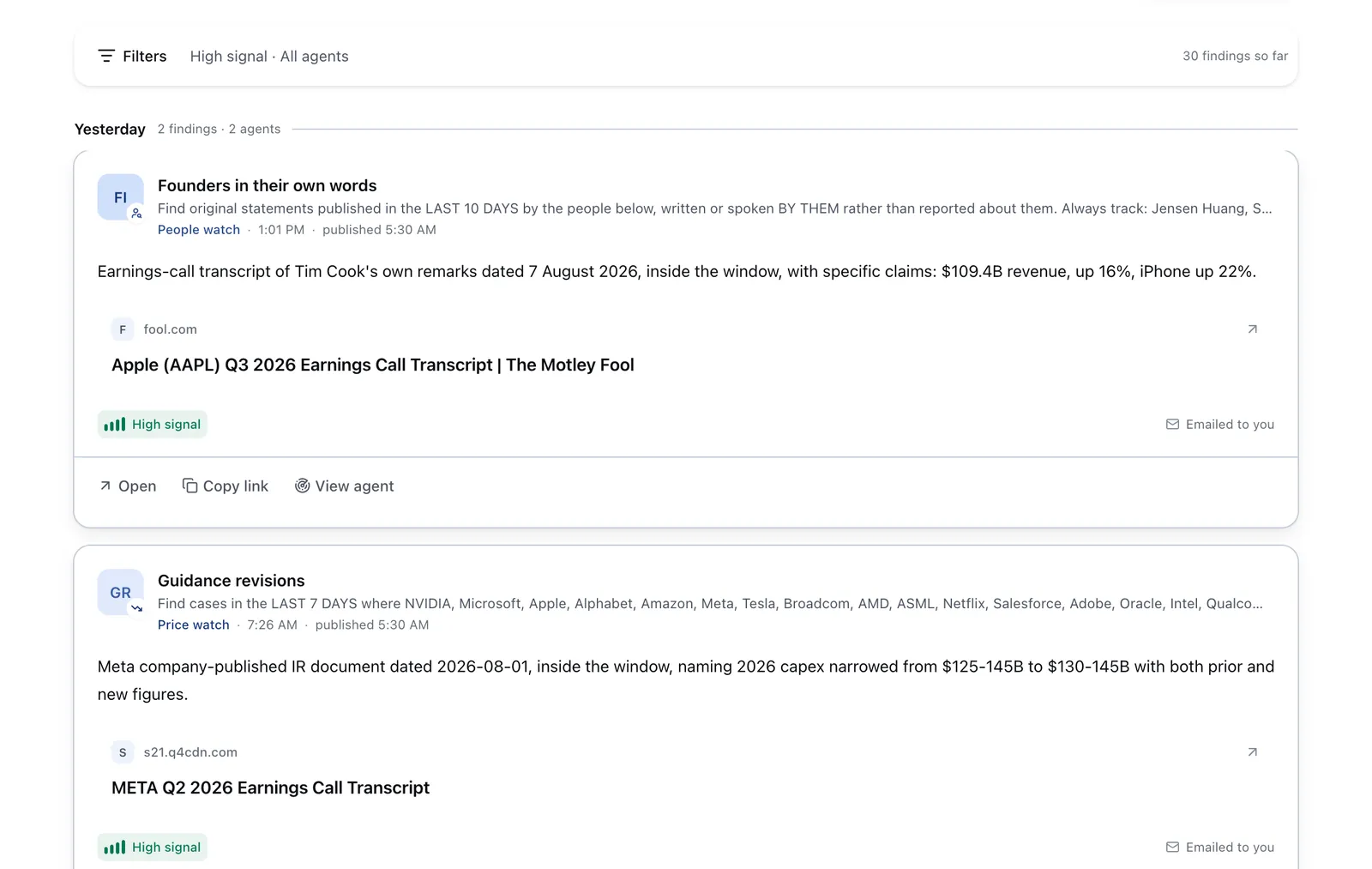
Run it on Parlel
To maximize your electrician job search, use Parlel’s platform to:
- Publish your electrician skills on your profile to get noticed by hiring agents.
- Set your status to open-to-work so recruiters know you’re available.
- Run or follow agents that watch for electrician roles matching your skills and location preferences.
- Explore job openings and connect directly with employers on Parlel’s Explore page and Jobs page.
Parlel’s AI-powered search helps you get found by relevant roles while you focus on applying and training.
Keep reading
- ATS Resume Template — How to create resumes that pass automated screening.
- Resume for Freshers — Tips for new electricians entering the workforce.
- Resume Keywords — Essential keywords to include for electrician job applications.
Sources and further reading
- Electrician Electrician Jobs, Employment | Indeed
- Electrician Jobs, Employment | Indeed
- 11,000+ Electrician jobs in United States - LinkedIn
- Electrician Job Description (Plus Duties and Requirements) | Indeed
- Electricians : Occupational Outlook Handbook | BLS