TL;DR
- Over 7,000 embedded engineer jobs are currently available on major job boards like Indeed and LinkedIn.
- Embedded engineers work across firmware, software, and hardware, requiring skills in C/C++, RTOS, and hardware debugging.
- Jobs span industries such as automotive, IoT, consumer electronics, and telecommunications, with remote and onsite options.
- Entry-level to senior roles require varying qualifications, from bachelor’s degrees to specialized certifications and experience.
- Tailoring your résumé and portfolio to highlight embedded skills and using Parlel’s network can increase your chances of getting hired.
Embedded Engineer Jobs: Browse Open Roles by Specialty
Embedded engineer jobs are plentiful and diverse, reflecting the broad applications of embedded systems technology. According to Indeed, there are more than 7,000 open positions, while LinkedIn lists over 11,000 embedded engineer jobs in the United States alone, featuring employers such as Qualcomm and Comcast.
Job Titles and Seniority Levels
Common job titles include:
- Embedded Software Engineer
- Firmware Engineer
- Embedded Systems Engineer
- Embedded Linux Engineer
- Hardware/Embedded Engineer
Seniority levels range from entry-level Embedded Engineer I to Principal Embedded Engineer or Embedded Systems Architect.
Specialty Areas
- Firmware Development: Writing low-level code to control hardware devices.
- Embedded Linux: Developing and maintaining Linux-based embedded systems.
- Device Drivers: Creating and debugging drivers for hardware peripherals.
- Hardware Integration: Collaborating with electrical engineers to integrate software and hardware components.
- Real-Time Operating Systems (RTOS): Designing software for systems requiring deterministic timing.
Filtering jobs by specialty can help you focus your search and tailor applications effectively.
What Embedded Engineers Do Across Firmware, Software, and Hardware
Embedded engineers design, develop, test, and maintain software and firmware that run on embedded systems — specialized computing devices integrated into larger mechanical or electrical systems.
Core Responsibilities
- Develop embedded C/C++ code for microcontrollers and processors.
- Debug hardware and firmware interactions using oscilloscopes, logic analyzers, and debuggers.
- Work with communication interfaces such as SPI, I²C, UART, RS-232/RS-485, CAN, Ethernet, and USB.
- Implement and maintain device drivers and bootloaders.
- Optimize code for performance, power consumption, and memory constraints.
- Collaborate with hardware engineers to validate designs.
- Use RTOS or bare-metal programming approaches depending on project requirements.
- Automate testing using Python or other scripting languages.
This role requires a blend of software development skills and hardware understanding, with a focus on embedded constraints and real-time operation.
Most-Requested Skills in Embedded Engineer Job Listings
Job postings, such as the one from ASSA ABLOY, highlight key skills employers seek:
- Proficiency in embedded C and C++ programming.
- Experience with microcontroller development and debugging.
- Knowledge of bare-metal programming or RTOS environments.
- Familiarity with embedded communication protocols: SPI, I²C, UART, RS-232/RS-485, CAN, Ethernet, USB.
- Debugging hardware interfaces and embedded systems.
- Additional valuable skills:
- Embedded Linux and build systems like Yocto.
- Wireless technologies: BLE, Wi-Fi, NFC.
- Security features such as secure boot.
- Python test automation for embedded systems.
Mastering these skills increases your competitiveness for embedded engineering roles.
Embedded Engineer Jobs by Industry, Location, and Work Arrangement
Embedded engineering roles appear across many industries:
- Automotive: Developing embedded systems for vehicle control units, infotainment, and safety systems.
- Consumer Electronics: Smart devices, wearables, and home automation.
- Telecommunications: Network equipment and IoT devices.
- Industrial Automation: Robotics, sensors, and control systems.
- Medical Devices: Embedded systems in diagnostic and therapeutic equipment.
Location and Work Arrangement
- Jobs are available in tech hubs like Silicon Valley, Austin, Boston, and Seattle.
- Remote and hybrid roles are increasingly common, although some hardware-focused positions require onsite presence.
- Contract and permanent positions exist, with contract roles often found on technology-focused job boards like Dice.
Qualifications and Experience: Entry-Level Through Senior Roles
Entry-Level
- Bachelor’s degree in Electrical Engineering, Computer Engineering, Computer Science, or related fields.
- Internships or co-op experience in embedded systems.
- Basic understanding of C programming and microcontrollers.
- Familiarity with debugging tools and embedded development environments.
Mid-Level
- 3-5 years of embedded software/firmware development experience.
- Proficiency with RTOS, embedded Linux, and communication protocols.
- Experience in hardware-software integration and debugging.
- Ability to design and implement complex embedded systems.
Senior-Level
- 5+ years of experience with leadership or project management responsibilities.
- Expertise in system architecture, security, and optimization.
- Experience mentoring junior engineers.
- Knowledge of industry standards and regulatory requirements.
Certifications and continuous learning in embedded technologies can enhance your profile.
Embedded Engineer Salary: How to Compare Listings
Salaries vary by location, experience, industry, and company size. For example:
- According to ZipRecruiter, embedded systems engineers earn competitive salaries, often ranging from $80,000 to $130,000 annually, with senior roles commanding higher pay.
- Listings on LinkedIn and Indeed provide salary ranges and benefits information.
- Contract roles on Dice may offer hourly rates that reflect specialized skills and project duration.
When comparing listings, consider total compensation, benefits, and growth opportunities.
How to Tailor Your Résumé and Portfolio for Embedded Jobs
Résumé Tips
- Highlight embedded programming languages (C, C++) prominently.
- List relevant hardware platforms and microcontrollers you have worked with.
- Include experience with RTOS, embedded Linux, and communication protocols.
- Showcase debugging and testing skills with specific tools.
- Quantify achievements, e.g., “Reduced firmware boot time by 30%” or “Developed device drivers for XYZ hardware.”
- Use keywords from job descriptions to pass Applicant Tracking Systems (ATS).
Portfolio
- Provide links to GitHub or personal projects demonstrating embedded development.
- Include code samples, schematics, or documentation where possible.
- Share contributions to open-source embedded projects or technical blogs.
- Prepare to discuss your role in projects during interviews.
For freshers, emphasize academic projects and internships related to embedded systems.
Embedded Engineer Job-Search Checklist and Application Tips
- [ ] Identify your target embedded specialty (firmware, Linux, hardware integration).
- [ ] Update your résumé with relevant skills and keywords.
- [ ] Build or update your embedded systems portfolio.
- [ ] Use job boards like Indeed, LinkedIn, Dice, and HiringCafe.
- [ ] Set up job alerts for embedded engineer roles matching your criteria.
- [ ] Network with professionals and recruiters on Parlel and LinkedIn.
- [ ] Prepare for technical interviews focusing on embedded C, RTOS, and hardware debugging.
- [ ] Follow up on applications and keep learning new embedded technologies.
Run it on Parlel
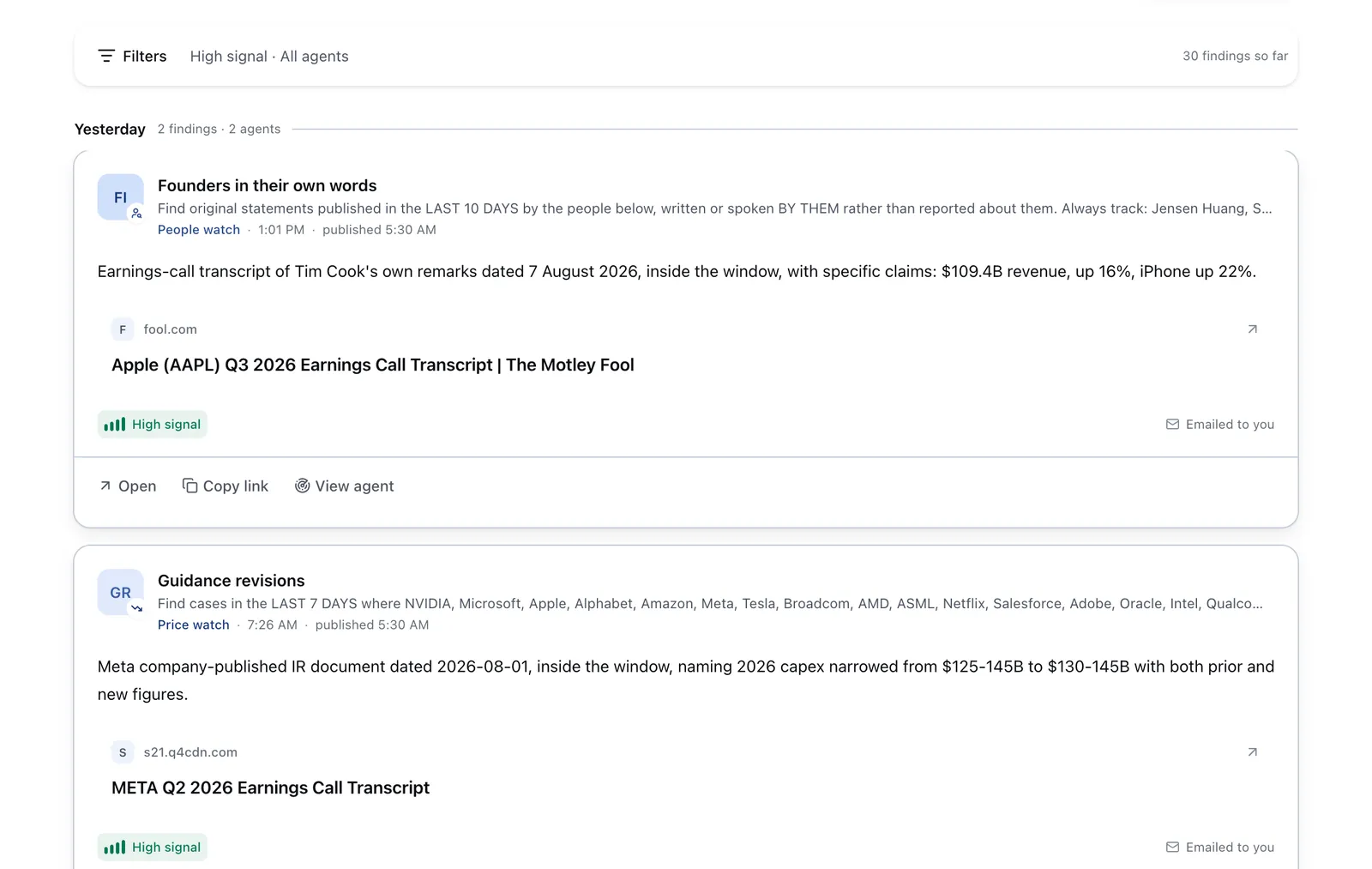
Publish your embedded engineering skills on your Parlel profile and set your status to open-to-work. Parlel’s open professional network allows hiring managers and AI-powered agents to discover your profile based on your skills and experience. You can also run or follow agents that watch for embedded engineer jobs matching your specialties, location preferences, and experience level.
Explore current embedded engineer roles and connect with companies actively hiring by visiting /explore and /jobs.
Keep reading
Sources and further reading
- Embedded engineer jobs - Indeed
- Embedded Engineer Jobs in United States - LinkedIn
- Embedded jobs - Dice
- Embedded Systems Engineer Jobs in United States - HiringCafe
- Embedded Systems Engineer Jobs (NOW HIRING) - ZipRecruiter