TL;DR
- Full-time jobs typically require 35+ hours per week, but definitions vary by employer and law.
- Use top job sites like Indeed, CareerBuilder, and Jobted to find full-time openings by location, role, and schedule.
- Compare pay, benefits, shifts, and employment terms carefully before applying.
- Many full-time roles accept candidates with no experience; focus on transferable skills and entry-level positions.
- Protect yourself from job scams by researching employers and avoiding offers requiring upfront payments or sensitive info.
Find Full-Time Jobs by Location, Role, and Schedule
Searching for full-time jobs effectively starts with choosing the right platforms and filters. Leading job boards like Indeed, CareerBuilder, and Jobted offer robust search tools to narrow results by:
- Location: city, state, or ZIP code to find jobs near you or in desired regions.
- Role or job title: specify your target position or industry.
- Schedule: filter for full-time only to exclude part-time or contract work.
- Work arrangement: remote, hybrid, or on-site options.
- Salary range: where available, to match your compensation expectations.
These sites also provide details on employer names, job descriptions, and application methods. Use multiple sources to get a comprehensive view of current openings and market trends.
For example, Indeed’s listings often include hourly or annual pay, shift details, and benefits like health insurance and paid time off, helping you compare offers beyond just the full-time label.
What Counts as a Full-Time Job? Hours and Definitions
Understanding what qualifies as full-time work can be confusing because there is no single universal definition. Here are key points:
- The U.S. Bureau of Labor Statistics (BLS) considers employees working 35 hours or more per week as full-time for statistical purposes.
- The Affordable Care Act (ACA) defines full-time employees as those averaging at least 30 hours per week or 130 hours per month for benefits eligibility.
- The Fair Labor Standards Act (FLSA) does not define full-time or part-time employment; employers set their own classifications.
This means a job labeled “full-time” could require anywhere from 30 to 40+ hours weekly, depending on the employer’s policies and the legal context. Always check the specific job listing’s hours and expectations.
Full-Time Jobs Hiring Now Across Industries
Full-time opportunities span all sectors, including:
- Healthcare: nurses, medical assistants, technicians.
- Technology: developers, IT support, data analysts.
- Retail and customer service: store managers, sales associates.
- Manufacturing and logistics: machine operators, warehouse staff.
- Education and administration: teachers, office managers.
Sites like CareerBuilder and Jobted aggregate thousands of current full-time openings, often with salary info and employer details.
Use filters to target industries you want to work in and monitor new postings regularly. Many sites offer email alerts for full-time jobs matching your criteria.
How to Compare Pay, Benefits, Shifts, and Employment Terms
Not all full-time jobs are created equal. When evaluating listings, consider:
- Pay structure: hourly wage vs. annual salary.
- Benefits: health insurance, retirement plans, paid time off.
- Shift details: day, evening, night, or rotating shifts.
- Employment type: permanent, contract, or probationary.
- Work location: remote, hybrid, or on-site requirements.
For example, a full-time job with a lower hourly rate but excellent benefits and paid leave might be better than a higher-paying role without benefits.
Review the full job description carefully and, if unclear, ask the employer during the interview or application process.
How to Apply for Full-Time Jobs: A Practical Checklist
- Tailor your resume and cover letter to highlight relevant skills and experience for each role. Use keywords from the job description.
- Prepare your references in advance.
- Submit applications through official channels — company websites or verified job boards.
- Track your applications with dates, contacts, and follow-up reminders.
- Prepare for interviews by researching the employer and practicing common questions.
- Verify job legitimacy before sharing sensitive personal information.
- Follow up professionally if you haven’t heard back within a week or two.
See our guides on ATS Resume Templates and Resume Keywords for help optimizing your application materials.
Full-Time Jobs With No Experience: Roles and Search Tips
Many employers offer entry-level full-time roles that don’t require prior experience, especially in:
- Customer service
- Retail sales
- Administrative support
- Food service and hospitality
- Warehouse and logistics
To improve your chances:
- Highlight transferable skills such as communication, teamwork, and reliability.
- Consider internships, apprenticeships, or training programs.
- Use filters on job boards to find “entry-level” or “no experience required” listings.
- Network with professionals on platforms like Parlel to discover hidden opportunities.
Remote, Hybrid, and On-Site Full-Time Jobs
The pandemic accelerated remote work adoption, and many full-time jobs now offer flexible arrangements:
- Remote: work entirely from home or any location.
- Hybrid: split time between home and office.
- On-site: required physical presence at the workplace.
Job boards like Emploive and LinkedIn label listings with these options, helping you choose what fits your lifestyle.
Consider your workspace needs, commute tolerance, and work-life balance preferences when applying.
How to Spot Job Scams and Verify an Employer
Job scams are unfortunately common. Protect yourself by:
- Researching the company’s website and verifying contact info.
- Avoiding jobs that require upfront payments for training or equipment.
- Being cautious if asked for sensitive personal or financial information early.
- Checking reviews on sites like Glassdoor or the Better Business Bureau.
- Confirming job postings on the employer’s official careers page.
The Federal Trade Commission provides detailed advice on avoiding scams.
Run it on Parlel
Maximize your full-time job search by using Parlel’s open professional network:
- Publish your skills on your Parlel profile to showcase your expertise.
- Set your status to open-to-work so recruiters and AI agents can find you.
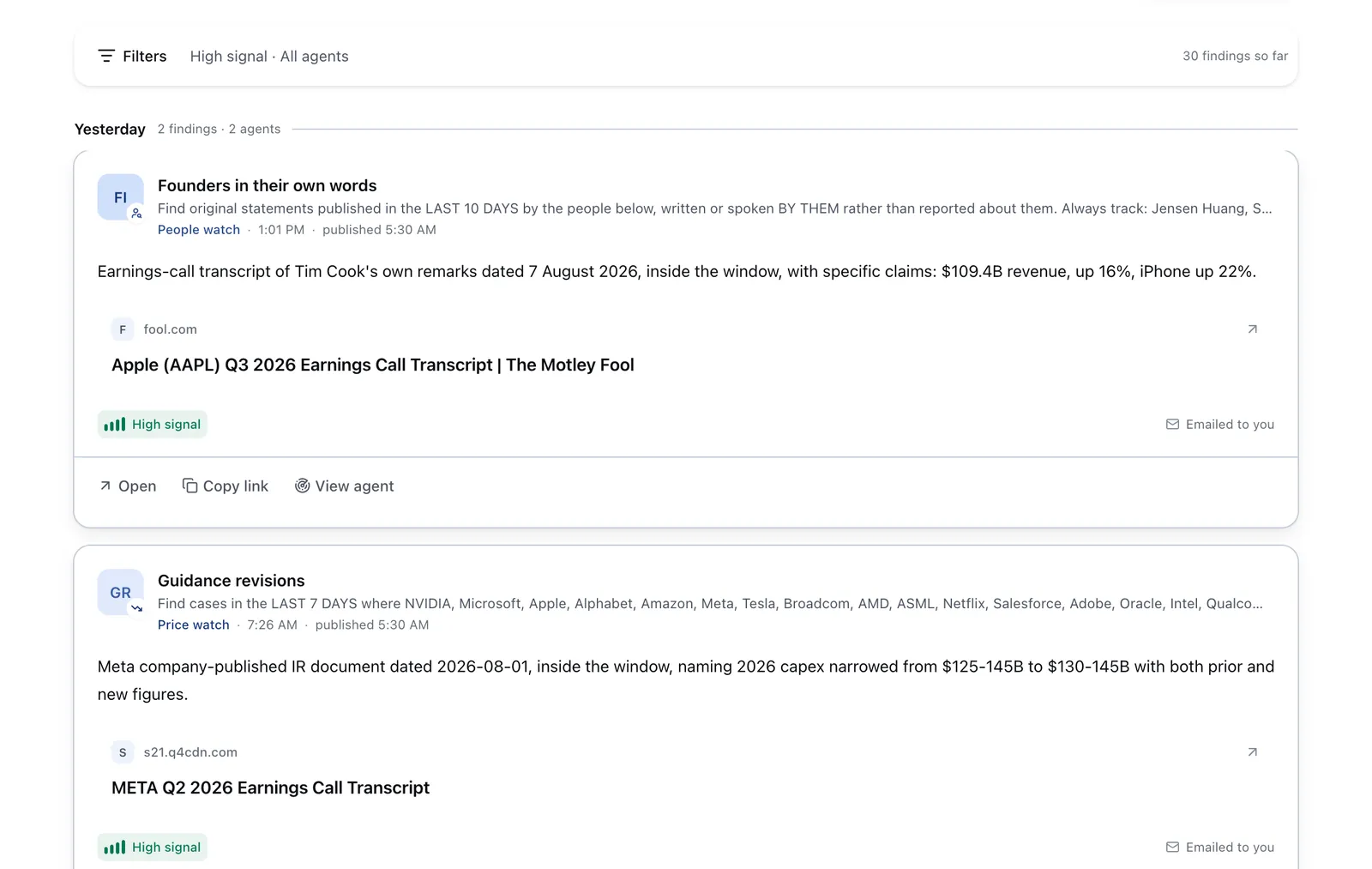
- Run or follow job agents that watch for roles matching your skills and preferences.
- Explore and apply to jobs directly at /explore and /jobs.
Parlel helps you get found by hiring agents while you focus on applying, increasing your chances of landing the right full-time position.
Keep reading
Sources and further reading
- Full Time Jobs, Employment - Indeed
- 775+ Full Time Jobs Hiring Now - CareerBuilder
- Full Time Jobs (235,816 Job Openings) | Jobted.com
- Full-time job alerts - Emploive
- LinkedIn Jobs: Indeed jobs in United States
- Bureau of Labor Statistics Definitions
- IRS Affordable Care Act Employee Definition
- Department of Labor on Full-Time Work
- Federal Trade Commission Job Scam Advice