TL;DR
- Game developer jobs span programming, design, art, QA, production, and more — not just coding roles.
- Use specialized job boards like GameJobs.co, Hitmarker, and InGame Job for up-to-date listings worldwide.
- Entry-level roles, internships, and career switch opportunities are available; tailor your CV and portfolio to highlight relevant skills.
- Remote, hybrid, and on-site roles vary by employer — always verify location, contract type, and application details before applying.
- Publish your skills and set open-to-work on Parlel to get found by hiring agents matching your profile.
Game Developer Jobs: Current Openings by Role and Location
The game development industry offers a wide variety of job openings across multiple disciplines. As of 2026, job boards such as GameJobs.co, Hitmarker, and LinkedIn list thousands of roles worldwide, including:
- Programming roles: gameplay programmers, tools programmers, engine developers, and gameplay engineers.
- Design roles: level designers, narrative designers, systems designers.
- Art and animation: 2D/3D artists, animators, VFX artists.
- Quality assurance (QA): testers, automation engineers.
- Production and management: producers, project managers.
- Audio and marketing: sound designers, community managers.
Locations range from major industry hubs like the United States, Canada, Europe, and Asia to remote and hybrid options. Many listings specify whether relocation support or visa sponsorship is available.
For example, GameJobs.co filters by role, employer, and location, making it easy to find openings that fit your preferences. Similarly, Hitmarker often includes salary information and contract types (full-time, contract, internship).
Always check the posting date and verify details on the employer’s site before applying, as job-board listings can change frequently.
What Counts as a Game Developer Job?
The term "game developer" often brings to mind software programmers, but the reality is broader. Game developer jobs include any role directly involved in creating, testing, or managing video games. This includes:
- Programming and software engineering: writing code for gameplay mechanics, tools, engines, and platforms.
- Game design: crafting game rules, levels, stories, and player experiences.
- Art and animation: creating visual assets, characters, environments, and animations.
- Quality assurance: testing games for bugs, performance, and user experience.
- Production and project management: coordinating teams, schedules, and resources.
- Audio design: composing music, sound effects, and voice implementation.
- Marketing and community management: promoting games and engaging players.
Job boards like InGame Job categorize these roles clearly, helping candidates understand where their skills fit.
Game Development Roles: Programming, Design, Art, QA, and Production
Programming
Programming roles are central to game development, including gameplay programmers, engine developers, and tools programmers. These professionals write and maintain the codebase, implement features, optimize performance, and fix bugs.
Design
Game designers focus on player experience by designing levels, mechanics, narratives, and systems. Titles include level designer, narrative designer, and systems designer.
Art and Animation
Artists and animators create the visual elements of games, including characters, environments, textures, and special effects. Roles include 2D/3D artist, animator, and VFX artist.
Quality Assurance (QA)
QA testers and automation engineers ensure games are bug-free and meet quality standards. They perform manual and automated testing, report issues, and verify fixes.
Production
Producers and project managers oversee development timelines, budgets, and team coordination to keep projects on track.
Each role requires specific skills and tools, which we cover in a later section.
Where to Find Game Developer Jobs and Set Job Alerts
Several specialized job boards focus exclusively on games-industry roles:
- GameJobs.co: Offers a global, frequently updated listing of game developer jobs across studios, roles, and locations. Filters include discipline, seniority, salary, and remote eligibility.
- Hitmarker: Curated listings including programming, design, art, QA, and production roles. Some postings disclose salary and contract type.
- InGame Job: Organizes jobs by discipline and professional category, with remote and relocation options.
- LinkedIn Jobs: Broad US-focused listings with related titles like gameplay engineer and tools programmer.
Setting up job alerts on these platforms ensures you receive notifications for new openings matching your skills and preferences.
Entry-Level Game Developer Jobs, Internships, and Career Switches
Breaking into game development can start with internships, junior roles, or related positions. Many studios offer internships or contract roles to build experience.
If you’re switching careers, highlight transferable skills such as programming languages, software tools, or creative projects. For freshers, a strong portfolio and relevant projects can make a significant difference.
Platforms like Hitmarker and GameJobs.co often list entry-level and internship opportunities. Tailor your applications to emphasize your passion for games and your willingness to learn.
Skills, Tools, and Portfolio Projects Employers Look For
Programming Skills
- Languages: C++, C#, Python, JavaScript
- Engines: Unity, Unreal Engine
- Tools: Git, Visual Studio, Jira
Design Skills
- Level design tools: Unreal Editor, Unity Editor
- Prototyping: paper or digital tools
- Understanding of player psychology and game mechanics
Art and Animation
- Software: Photoshop, Blender, Maya, Substance Painter
- Animation: rigging, keyframing, motion capture
QA
- Bug tracking tools: Jira, TestRail
- Manual and automated testing techniques
Production
- Project management tools: Trello, Asana, Monday.com
- Communication and leadership skills
Portfolio Projects
A portfolio showcasing completed projects, prototypes, or contributions to open-source games is essential. Include playable demos, source code snippets, design documents, or art reels depending on your discipline.
Remote, Hybrid, and On-Site Game Jobs: What to Check
Game developer jobs vary in work arrangement:
- On-site: Traditional studio environment, often preferred for collaboration.
- Remote: Increasingly common, especially for programming and design roles.
- Hybrid: Combines remote and in-office days.
Before applying, verify:
- Location requirements and time zones
- Whether relocation support or visa sponsorship is offered
- Work authorization and language requirements
- Contract type: full-time, part-time, contract, internship
Job boards like InGame Job and Hitmarker provide filters and details to help you find suitable arrangements.
How to Apply: Tailor Your CV, Portfolio, and Application
CV and Resume
- Highlight relevant skills and experience
- Use keywords from the job description to pass ATS filters (resume-keywords)
- Include measurable achievements and projects
Portfolio
- Showcase your best work aligned with the role
- Make demos easy to access and navigate
- Provide context for each project (your role, tools used, challenges solved)
Application
- Customize your cover letter for each job
- Follow application instructions carefully
- Apply early and track your applications
For freshers, check out our resume-for-freshers guide and use an ATS-friendly resume template to improve your chances.
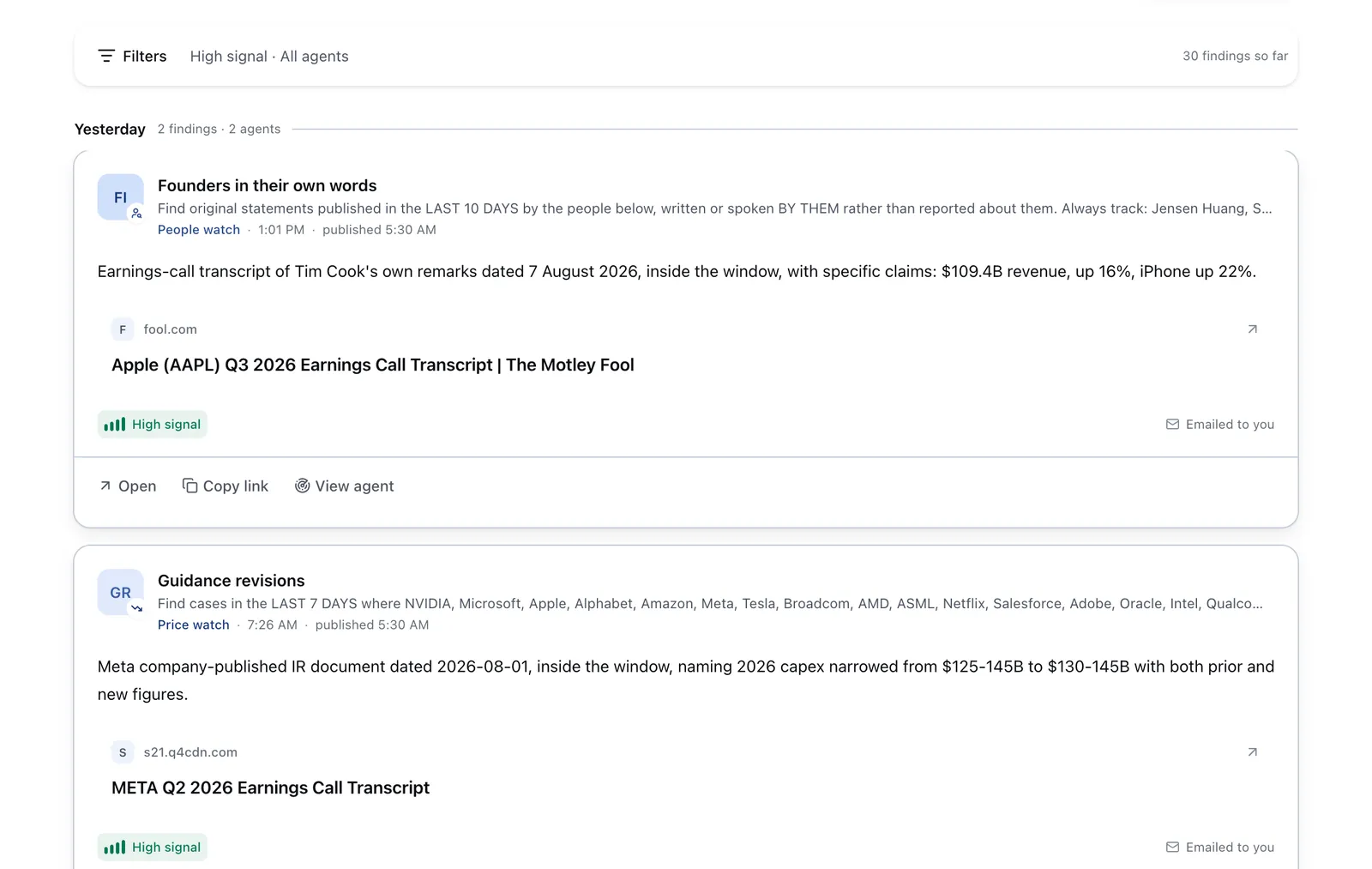
Run it on Parlel
Publish your game development skills on your Parlel profile, set your status to open-to-work, and optionally run or follow an AI hiring agent watching for roles that match your expertise. Parlel’s open professional network connects you directly with hiring managers and their AI agents, so you can get found by relevant game developer jobs without constant searching.
Explore matching roles and agents on /explore and view current opportunities on /jobs.
Keep reading
Sources and further reading
- Game Developer Jobs - GameJobs.co
- Game Developer Jobs - Hitmarker
- InGame Job — Find job in game development
- 2,000+ Game Developer jobs in United States - LinkedIn
- Indeed career advice