TL;DR
- Government contractor jobs support federal agencies but are employed by private companies, not the government directly.
- These roles span many fields, including engineering, program management, security, and business development.
- Many require security clearances, which vary by job and agency; clearance eligibility is key to success.
- Job seekers should use specialized job boards like ClearanceJobs, Indeed, and USAJOBS to find and compare opportunities.
- Creating a strong resume with relevant keywords and networking on platforms like Parlel increases chances of getting hired.
What Are Government Contractor Jobs?
Government contractor jobs are positions where individuals work for private companies that have contracts with federal, state, or local government agencies. Unlike federal employees who work directly for the government, contractors provide specialized services or products under these contracts. Examples include IT support, cybersecurity, engineering, program management, and consulting.
Contractors play a critical role in helping government agencies fulfill missions efficiently and cost-effectively. They may work onsite at government facilities or remotely, depending on contract terms. These jobs often require flexibility, technical expertise, and sometimes security clearances due to the sensitive nature of government work.
Government Contractor vs. Federal Employee: Key Differences
Understanding the distinction between government contractors and federal employees is essential when searching for jobs:
- Employment: Federal employees are hired directly by government agencies and receive government benefits. Contractors are employed by private firms that have government contracts.
- Job Listings: Federal jobs appear on USAJOBS.gov, while contractor roles are often listed on sites like ClearanceJobs, Indeed, and ZipRecruiter.
- Pay and Benefits: Federal jobs follow the General Schedule (GS) pay scale, which bases salary on grade and step. Contractors’ pay varies by employer and contract terms.
- Security Clearances: Both may require clearances, but contractors often must obtain and maintain them independently.
- Job Stability: Federal positions tend to offer more job security, while contractor roles depend on contract funding and renewal.
For a clear comparison, use USAJOBS to explore federal roles and contrast them with contractor listings on specialized job boards.
Types of Government Contracting Jobs and Career Paths
Government contractor jobs cover a wide range of fields and specialties. Some common categories include:
- Engineering and Technical Roles: Systems engineers, software developers, cybersecurity specialists, and IT support.
- Program and Project Management: Coordinating government projects, ensuring milestones and budgets are met.
- Security and Intelligence: Security specialists, analysts, and clearance-holding consultants.
- Business and Administrative Support: Contract analysts, business development managers, and human resources roles.
- Logistics and Operations: Supply chain coordinators, facility managers, and operational support staff.
Career paths vary by industry and agency focus. Many contractors start in entry-level roles and advance through certifications, clearance upgrades, and project experience.
Where to Find Government Contractor Jobs
Finding government contractor jobs requires targeted job search strategies:
- ClearanceJobs: A leading site for contractor roles requiring security clearances. Listings show clearance levels, employers, and locations. ClearanceJobs - Government Contractor Jobs
- Indeed: Offers a broad range of contractor job listings across industries and locations. Filters allow searching by job type and salary. Indeed - Government Contractor Jobs
- USAJOBS: Primarily for federal employees but useful for comparing contractor and federal roles. Includes filters for security clearance and pay grade. USAJOBS - Search
- ZipRecruiter: Aggregates federal contracting jobs with salary estimates and remote options. ZipRecruiter - Federal Government Contracting Jobs
- Procurement Sciences Blog: Offers advice on job boards, networking, and search strategies for GovCon careers. The Best Websites for GovCon Jobs in 2025
Use multiple sources to get a comprehensive view of available roles and employers.
Do You Need a Security Clearance—and How Does It Work?
Many government contractor jobs require a security clearance, especially those involving sensitive or classified information. Common clearance levels include:
- Confidential
- Secret
- Top Secret
- Sensitive Compartmented Information (SCI)
ClearanceJobs and USAJOBS provide filters to search jobs by required clearance level. For example, a Department of Energy Security Specialist role requires a DOE Q clearance, which is a stringent Top Secret level with additional controls (USAJOBS listing).
How to get a clearance:
- Typically, the employer sponsors the clearance process after a conditional job offer.
- The process includes background checks, interviews, and sometimes polygraphs.
- Maintaining clearance requires ongoing compliance and periodic reinvestigation.
If you don’t have a clearance but want to work in these roles, target entry-level positions or companies willing to sponsor new clearances.
Government Contractor Salaries: How to Compare Offers
Salaries for government contractor jobs vary widely based on role, location, employer, and clearance level. Key points to consider:
- USAJOBS uses the General Schedule (GS) pay scale for federal jobs, which can serve as a benchmark (USAJOBS).
- Contractor salaries may be higher or lower depending on market demand and contract terms.
- Sites like Indeed and ZipRecruiter provide salary ranges and estimates for contractor roles, e.g., program control, engineering, or business development (Indeed, ZipRecruiter).
- Consider benefits, contract duration, and stability alongside base pay.
Always request detailed compensation information and understand contract renewal likelihood before accepting offers.
How to Apply: Resumes, Keywords, and Networking
Applying successfully to government contractor jobs involves:
- Tailored Resumes: Use keywords from job descriptions, especially skills and clearance requirements. Refer to guides like ats-resume-template and resume-keywords to optimize your resume for applicant tracking systems.
- Highlight Clearances: Clearly state current or past security clearances and eligibility.
- Networking: Connect with recruiters and hiring managers on platforms like Parlel. Join groups focused on government contracting and attend industry events.
- Apply on Multiple Platforms: Use ClearanceJobs, Indeed, and company websites. Set up job alerts.
- Prepare for Interviews: Understand government contracting processes, compliance requirements, and be ready to discuss your clearance status.
For freshers, see resume-for-freshers to build resumes that stand out.
Questions to Ask About Contract Funding, Stability, and Benefits
Before accepting a government contractor job, clarify:
- Contract Duration: Is the contract fixed-term or renewable? What is the expected length?
- Funding Source: Is funding guaranteed for the contract period? Are there risks of cancellation?
- Benefits: What health, retirement, and leave benefits does the contractor offer compared to federal employment?
- Clearance Sponsorship: Will the employer sponsor your clearance or require you to have one upfront?
- Work Location: Is the role onsite, remote, or hybrid? Are there travel requirements?
- Career Advancement: Are there opportunities for training, promotion, or transfer to other contracts?
Asking these questions helps evaluate job security and fit.
Run it on Parlel
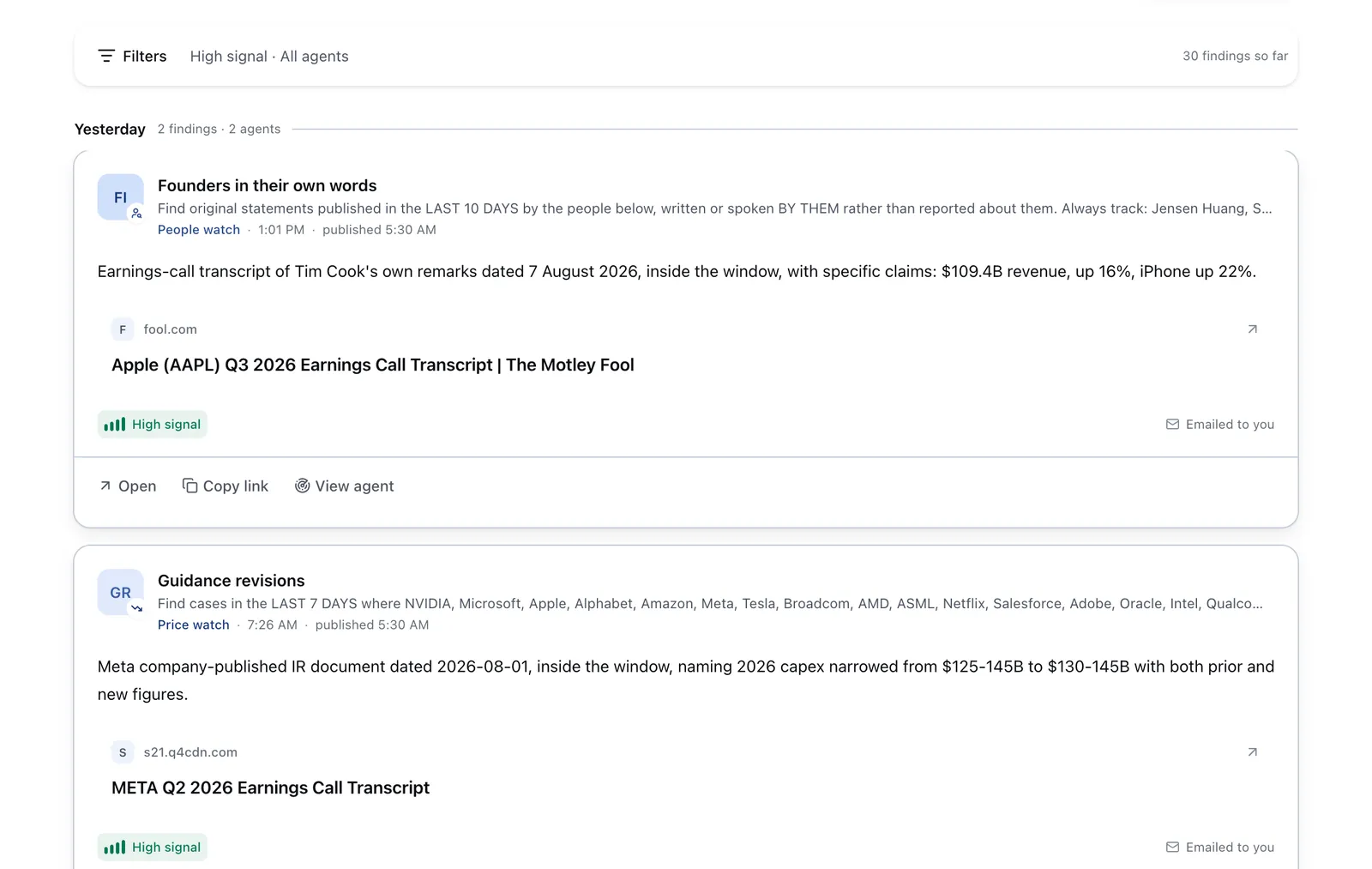
To boost your government contractor job search, publish your relevant skills on your Parlel profile and set your status to open-to-work. Parlel’s AI-powered hiring agents continuously scan for roles matching your expertise, including contractor positions requiring specific clearances or technical skills.
You can also run or follow agents watching government contractor jobs to get notified instantly about new matches. Explore roles and people in the government contracting space on /explore and find current openings on /jobs.
Start connecting with hiring managers and recruiters proactively — and let your profile get found while you apply outbound.
Keep reading
- ATS Resume Template — Optimize your resume for automated screening.
- Resume for Freshers — Build a strong entry-level resume.
- Resume Keywords — Use the right terms to get noticed.
Sources and further reading
- Government Contractor Jobs - ClearanceJobs
- Government Contractor Jobs, Employment | Indeed
- USAJOBS - Search
- Federal Government Contracting Jobs (NOW HIRING) - ZipRecruiter
- The Best Websites for GovCon Jobs in 2025