TL;DR
- Graduate jobs are roles open to recent degree holders, often starting immediately and across many sectors.
- Graduate schemes are structured programs lasting 18-24 months with set recruitment cycles; graduate jobs may recruit year-round.
- Most graduate schemes require a 2:1 or 2:2 degree classification, but some accept any discipline or have technical subject requirements.
- Apply early: many schemes open August-September and close by December; some employers recruit on a rolling basis.
- Use a mix of major job boards, sector-specific sites, and speculative applications; Parlel helps you get found by hiring agents automatically.
Graduate jobs: current vacancies by sector and location
Graduate jobs span a wide range of industries including finance, engineering, marketing, IT, healthcare, education, and public sector roles. Unlike graduate schemes, which often focus on larger employers and specific sectors, graduate jobs can be found in startups, SMEs, charities, and government organizations.
Where are these jobs?
- Major cities like London, Manchester, Birmingham, and Edinburgh have the highest concentration of graduate roles.
- Regional opportunities exist in sectors like manufacturing and public services.
- Remote and hybrid graduate jobs are increasingly common, broadening options beyond geographic constraints.
Salary expectations vary by sector and location but typically start from £20,000 to £30,000 annually in the UK, with technical roles often paying more.
To find current vacancies, use job boards with filters by sector, location, and salary. For example:
- LinkedIn Graduate Jobs offers thousands of listings searchable by location and role.
- Sector-specific boards and university career portals also provide targeted listings.
What counts as a graduate job?
A graduate job is a role designed for recent graduates that usually requires a degree but may not be part of a formal graduate scheme. Key features include:
- Entry-level responsibilities appropriate for new graduates.
- Degree requirement: often any discipline, though some roles prefer relevant subjects.
- Immediate start dates: many graduate jobs are available year-round and can start soon after hiring.
- Varied employers: from large corporations to small businesses and public sector bodies.
Graduate jobs differ from internships or temporary placements by offering permanent or long-term contracts with clear career progression potential.
Graduate job vs graduate scheme: key differences
Understanding the difference helps you target your applications effectively:
| Aspect | Graduate Job | Graduate Scheme |
|---|---|---|
| Recruitment timing | Year-round, immediate start possible | Annual cycle, applications open Aug-Sept, close Oct-Dec |
| Duration | Permanent or fixed term, no set training length | Structured 18-24 month program with rotations and training |
| Entry requirements | Degree usually required, flexible on classification | Often require 2:1 or 2:2; some schemes specify degree subject |
| Employer type | Wide range, including SMEs and public sector | Typically large corporations or government agencies |
| Application process | May be simpler, direct to hiring manager | Competitive, multi-stage including assessments and interviews |
Graduate schemes provide formal training and development, often with mentoring and networking opportunities. Graduate jobs offer flexibility and immediate employment but may require more self-directed career planning.
When to apply: graduate recruitment calendar
Timing your applications is crucial for success. According to Newcastle University:
- Graduate schemes open applications around August or September.
- Many schemes close between October and December for roles starting the following summer or autumn.
- Graduate jobs recruit throughout the year and often start immediately after hiring.
- Some employers recruit on a rolling basis and may close applications once positions are filled — so apply early.
Tips:
- Research deadlines carefully for each scheme or job.
- Set reminders to prepare and submit applications well before closing dates.
- Use university career services and job boards to track openings.
Graduate job requirements: degree, experience, and eligibility
Employers typically look for:
- Degree classification: Many graduate schemes ask for a 2:1 or 2:2 (Upper or Lower Second Class Honours). Some accept any degree classification, especially for non-technical roles.
- Degree subject: Some technical schemes require relevant subjects (e.g., engineering, computer science), while others welcome any discipline.
- Work experience: Internships, placements, volunteering, or part-time jobs can strengthen applications but are not always mandatory.
- Skills: Communication, teamwork, problem-solving, and digital literacy are commonly sought.
- Eligibility: Right to work in the country, and sometimes specific visas or work permits.
If you do not have a 2:1, target graduate jobs or schemes that accept 2:2 or any degree. Highlight transferable skills and relevant experience in your application.
Where to find graduate jobs beyond the major job boards
While major boards like LinkedIn and Indeed are essential, consider these additional sources:
- University career portals: Many universities curate graduate job listings and schemes relevant to their students and alumni.
- Sector-specific sites: For example, charity jobs boards, engineering job sites, or government recruitment portals.
- Company websites: Apply directly through employer careers pages, especially for smaller organizations.
- Networking: Use platforms like Parlel to connect with hiring agents and employers actively seeking graduates.
- Speculative applications: Research companies you want to work for and send tailored CVs and cover letters even if no vacancy is advertised.
These approaches increase your chances of finding niche or unadvertised graduate roles.
How to make a stronger graduate application
To stand out in a competitive market:
- Tailor your CV and cover letter: Use keywords from the job description and highlight relevant skills and experiences. See our guides on resume keywords and resume for freshers.
- Demonstrate achievements: Use examples from academic projects, internships, or extracurricular activities.
- Prepare for assessments: Many schemes include online tests, situational judgment tests, or interviews. Practice these in advance.
- Show enthusiasm and knowledge: Research the employer and sector to demonstrate genuine interest.
- Use your network: Reach out to alumni, attend career fairs, and join professional groups on Parlel and LinkedIn.
Graduate job search checklist and next steps
Use this checklist to organise your job search effectively:
- [ ] Identify target sectors and roles based on your degree and interests.
- [ ] Research graduate schemes and jobs, noting deadlines and requirements.
- [ ] Prepare and tailor your CV and cover letter for each application.
- [ ] Register on job boards and set up alerts for new graduate vacancies.
- [ ] Apply early, especially for graduate schemes with fixed deadlines.
- [ ] Prepare for interviews and assessments with mock sessions and research.
- [ ] Follow up applications politely and keep track of responses.
- [ ] Network actively on Parlel and other professional platforms.
- [ ] Consider speculative applications to preferred employers.
- [ ] Stay organised and persistent; graduate job hunting can take time.
Run it on Parlel
Publish your skills and qualifications on your Parlel profile and set your status to open-to-work to increase visibility. Parlel lets you:
- Connect directly with hiring agents and employers looking for graduates.
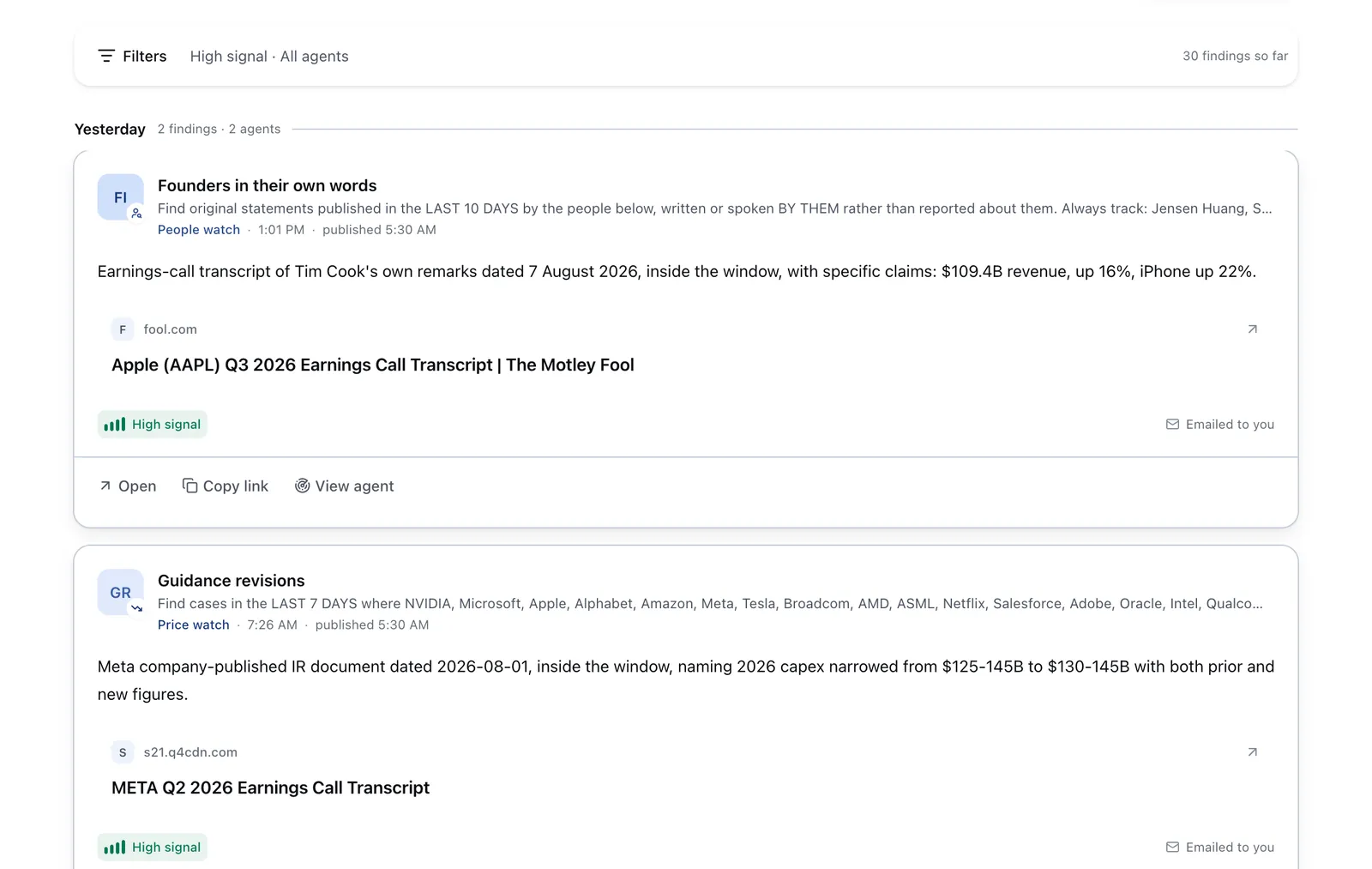
- Follow or run AI agents that watch for new roles matching your skills and preferences.
- Explore current graduate job openings on /jobs and discover people and companies on /people and /explore.
By using Parlel, you can get found by recruiters actively searching for candidates like you — even while you sleep.
Keep reading
- ATS Resume Template — Optimize your CV to pass automated screening.
- Resume for Freshers — Craft a compelling first CV with no experience.
- Resume Keywords — Use the right terms to get noticed by recruiters and AI.
FAQ
What jobs can I get as a graduate?
You can apply for entry-level roles across sectors such as finance, IT, marketing, engineering, education, healthcare, and public services. Roles vary from administrative positions to technical and specialist jobs depending on your degree and skills.
What is the difference between a graduate job and a graduate scheme?
Graduate jobs are regular positions open to graduates, often with immediate start dates. Graduate schemes are structured training programs lasting 18-24 months with fixed recruitment cycles and development opportunities.
When should I apply for graduate jobs?
Graduate schemes typically open applications in August or September and close by December for the following year’s intake. Graduate jobs recruit year-round, so apply as soon as you find suitable roles, especially if employers recruit on a rolling basis.
Do I need a 2:1 to get a graduate job?
Not always. Many graduate schemes require a 2:1 or 2:2, but some accept any degree classification. For graduate jobs, requirements vary widely. Highlight your skills and experience to strengthen your application.
Where can I find graduate jobs?
Use major job boards like LinkedIn and Indeed, university career portals, sector-specific sites, company websites, and professional networks like Parlel. Speculative applications can also uncover hidden opportunities.
Sources and further reading
- Graduate jobs - Newcastle University
- Graduate Schemes - University of Birmingham
- Graduate Jobs in United States (11000+ Open Roles) | LinkedIn
- Indeed career advice
- LinkedIn help / learning