Including hobbies on your resume can be a subtle yet effective way to showcase your personality, transferable skills, and cultural fit—if done thoughtfully. This guide walks you through when and how to add hobbies and interests to your resume in 2026, with practical examples, templates, and tips to help you stand out to hiring managers and AI recruiters alike.
TL;DR
- Include hobbies only if they add value or demonstrate transferable skills relevant to the job.
- Place hobbies and interests at the bottom of your resume, after experience and education.
- Keep descriptions brief and specific, avoiding repetition of skills already listed.
- Avoid hobbies that are controversial, overly generic, or irrelevant to the role.
- Use hobbies strategically to spark interview conversations or show cultural fit.
Should You Put Hobbies on a Resume?
The short answer: it depends.
Hobbies and interests sections are optional and often overlooked, but they can add a humanizing touch and highlight transferable skills—especially for early-career applicants or those changing industries. According to Indeed, hobbies should appear after your core resume sections like experience and education, and only if they strengthen your application.
If your resume is already packed with relevant qualifications, you might not need a hobbies section. The UCSF Career Services advises against sacrificing more important content just to add hobbies, recommending you use spare space only for interests that add value or prompt useful interview discussions.
When Hobbies Strengthen Your Application—and When to Leave Them Off
When to Include Hobbies
- You’re early in your career or a recent graduate with limited professional experience.
- The hobby demonstrates skills or qualities relevant to the job, such as teamwork, leadership, creativity, or discipline.
- The hobby reflects cultural fit or aligns with the company’s values.
- You want to spark a memorable interview conversation or make your resume more personable.
When to Skip Hobbies
- Your resume is already full of relevant experience and skills.
- The hobbies are generic (e.g., “reading”) or unrelated to the job.
- The hobbies could be controversial or misunderstood.
- You risk repeating information already covered in other sections.
How to Choose Hobbies That Match the Job
Choosing the right hobbies means aligning your interests with the skills and culture the employer values. Here’s how:
- Analyze the Job Description: Identify keywords and qualities the employer seeks.
- Select Hobbies That Showcase Relevant Skills: For example, team sports can demonstrate teamwork and leadership; blogging can show communication skills.
- Consider Industry Norms: Creative roles might appreciate artistic hobbies, while tech jobs may value coding side projects or puzzle-solving games.
- Be Honest and Specific: Avoid vague terms; instead, describe your involvement or achievements in the hobby.
- Balance Professionalism and Personality: Choose hobbies that reflect you but maintain professionalism.
How to List Hobbies and Interests on a Resume
Placement
- Place the hobbies and interests section at the bottom of your resume, after education, work experience, and skills.
- Use a clear heading such as “Hobbies and Interests” or simply “Interests.”
Formatting Tips
- List 3–5 hobbies or interests to keep it concise.
- Use bullet points or a simple comma-separated list.
- Include a brief explanation if the hobby is not self-explanatory or if it highlights relevant skills.
Example Format
**Hobbies and Interests**
- Marathon running (demonstrates discipline and goal-setting)
- Volunteer coding tutor (shows leadership and communication)
- Photography (creative eye and attention to detail)
Avoid Repetition
Don’t restate skills or activities already detailed in your experience or skills sections. Instead, use this space to add new dimensions to your profile.
Resume Hobby Examples by Skill and Job Type
Here are curated examples of hobbies tailored to different skills and roles, demonstrating how to connect hobbies to job-relevant qualities.
For Teamwork and Leadership Roles
- Team sports (soccer, basketball): Highlights collaboration and leadership.
- Volunteer coordinator: Shows organizational and people management skills.
- Debate club: Demonstrates persuasion and public speaking.
For Creative and Design Roles
- Photography: Reflects creativity and attention to detail.
- Graphic design hobbyist: Shows passion and skill development.
- Writing/blogging: Highlights communication and storytelling.
For Analytical and Tech Roles
- Coding side projects: Demonstrates technical skills and initiative.
- Chess or strategy games: Shows problem-solving and strategic thinking.
- Data analysis for fantasy sports: Indicates analytical mindset.
For Customer Service and Communication Roles
- Public speaking: Builds confidence and communication skills.
- Event planning: Demonstrates organization and interpersonal skills.
- Language learning: Shows cultural awareness and adaptability.
For Freshers and Career Changers
- Community volunteering: Highlights commitment and soft skills.
- Online courses in relevant fields: Shows motivation and self-learning.
- Creative hobbies like painting or music: Adds personality and creativity.
Before-and-After Examples of Strong Hobby Entries
Before
- Hobbies: Reading, traveling, music
After
- Hobbies and Interests:
- Reading historical fiction (enhances cultural knowledge and empathy)
- Traveling to 10+ countries (developed adaptability and cross-cultural communication)
- Playing guitar in a band (teamwork and creativity)
Before
- Interests: Sports, movies, hiking
After
- Interests:
- Competitive tennis (discipline and strategic thinking)
- Film critique blog (analytical skills and written communication)
- Hiking local trails (endurance and goal orientation)
Hobbies to Avoid or Handle Carefully
Some hobbies can harm your candidacy or distract from your qualifications:
- Overly generic hobbies: “Watching TV,” “socializing,” or “shopping” add little value.
- Controversial or sensitive topics: Politics, religion, or anything potentially divisive.
- Risky or extreme activities: Skydiving, gambling, or anything that might raise safety concerns.
- Hobbies that conflict with company culture: For example, a party-heavy lifestyle for a conservative firm.
- Hobbies that suggest time conflicts: Activities that could interfere with work hours or commitments.
If you choose to include any borderline hobbies, frame them carefully to highlight positive traits.
Hobbies on a Resume: Quick Checklist
- [ ] Is the hobby relevant or transferable to the job?
- [ ] Does it add new information beyond your skills and experience?
- [ ] Is the description brief but specific?
- [ ] Is the hobby placed at the bottom of your resume?
- [ ] Have you avoided controversial or generic hobbies?
- [ ] Could the hobby spark a positive interview conversation?
- [ ] Have you checked that it aligns with the company culture?
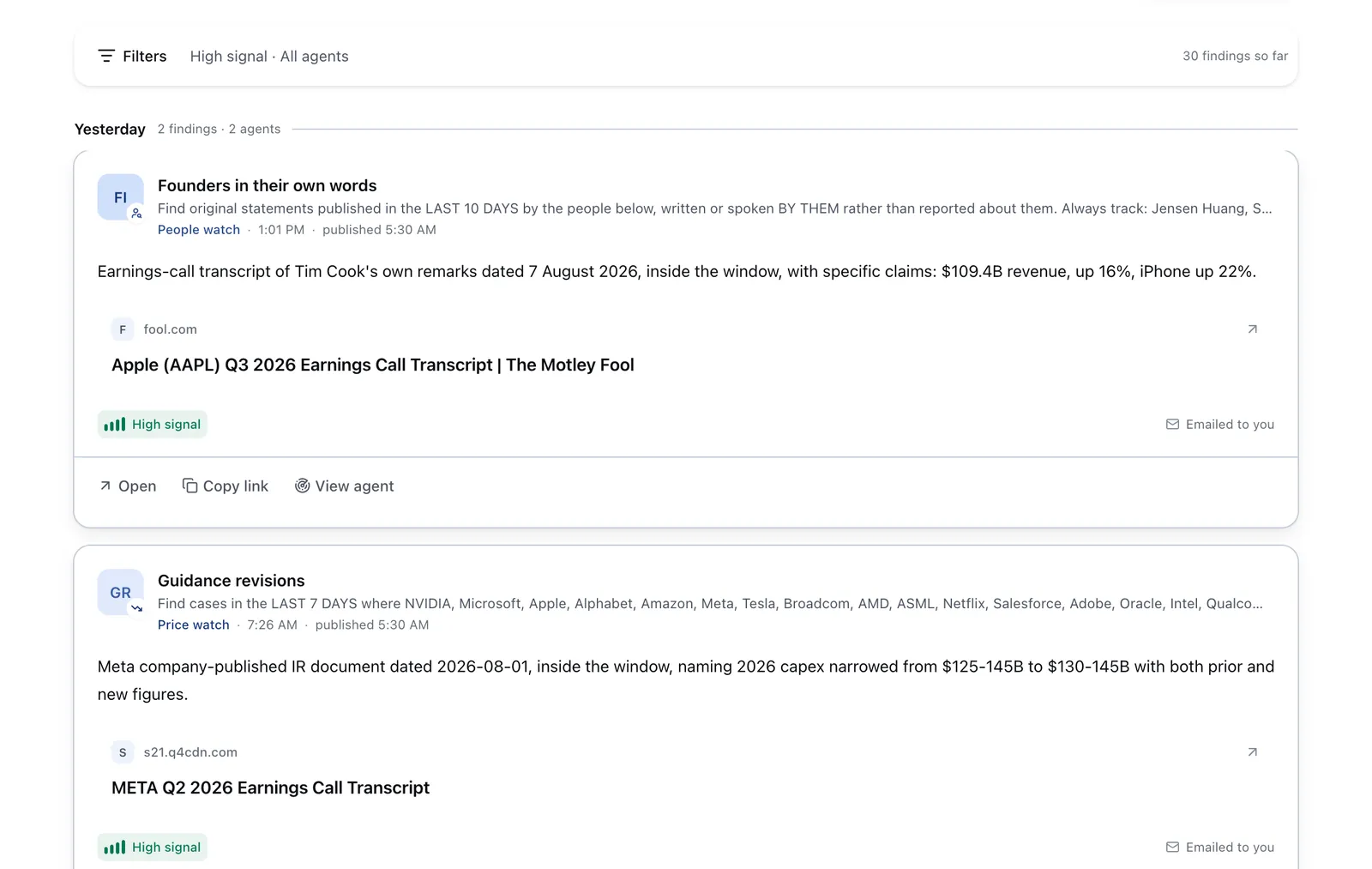
Run it on Parlel
Publish your skills and hobbies on your Parlel profile to get discovered by hiring agents actively searching for candidates with your talents. Set your profile to open-to-work and optionally run or follow an AI agent watching for roles matching your skills and interests in hobbies-related areas.
Explore current opportunities and connect with recruiters at /explore and /jobs. Your hobbies can be a conversation starter and a competitive edge in Parlel’s open professional network.
Keep reading
- ATS Resume Template: How to Pass Applicant Tracking Systems
- Resume for Freshers: How to Start Your Career Strong
- Resume Keywords: What to Include for Maximum Impact
Sources and further reading
- Listing Hobbies and Interests on Your Resume (With Examples) - Indeed
- 150 Interests & Hobbies to Put on Resumes: Guide & Examples - Monster
- Should I include hobbies on my resume? - UCSF Career Services
- How to Write About Interests on Your Resume - Indeed Canada
- Example of Hobbies and Interests to Include on Your Resume - Indeed Canada