TL;DR
- Review the job description carefully and align your skills and experiences with the role’s requirements.
- Research the company, role, and interviewer to tailor your answers and questions.
- Practice answers to common, behavioral, situational, and technical questions using the STAR method.
- Prepare all materials, plan your route, and arrive 15–30 minutes early for in-person or virtual interviews.
- Prepare thoughtful questions to ask the interviewer to show engagement and learn more about the role.
How to Prepare for an Interview: A Step-by-Step Plan
Preparing for an interview in 2026 requires a strategic, well-organized approach that goes beyond simply rehearsing answers. Here’s a practical plan to help you succeed:
-
Understand the Job Description
Start by reviewing the job description thoroughly. Identify key skills, qualifications, and responsibilities. Note how your experience and achievements align with these requirements. This alignment will help you craft targeted answers that demonstrate your fit. Indeed recommends this as a foundational step to interview preparation. -
Research the Company and Role
Learn about the company’s mission, values, products, recent news, and industry position. Understand the role’s context within the organization. This knowledge allows you to tailor your responses and show genuine interest. -
Practice Interview Questions
Prepare answers for a variety of questions: general, behavioral, situational, and technical (if applicable). Use the STAR method (Situation, Task, Action, Result) to structure your responses. Practice aloud or with a mock interview partner to build confidence. -
Prepare Questions for the Interviewer
Have two to three insightful questions ready to ask at the end of the interview. This shows your engagement and helps you evaluate if the company and role are right for you. -
Plan Logistics and Materials
For in-person interviews, plan your route and aim to arrive 15–30 minutes early. Bring multiple copies of your resume (at least three), a notebook, pen, and any other relevant documents. For virtual interviews, test your technology and environment beforehand. -
Final Review and Relaxation
The day before, review your notes, get a good night’s sleep, and practice calming techniques to manage nerves.
How to Research the Company, Role, and Interviewer
Effective interview preparation hinges on solid research. Here’s how to cover all bases:
-
Company Research:
Visit the company website, read recent press releases, and check social media channels. Understand their products, services, culture, and competitors. Look for recent achievements or challenges they face. -
Role Research:
Beyond the job description, explore how this role fits into the company’s goals. If possible, read employee reviews or connect with current/former employees on professional networks like Parlel to gain insider insights. -
Interviewer Research:
If you know who will interview you, look up their LinkedIn or Parlel profiles. Understand their role, background, and interests. This can help you find common ground and tailor your communication style.
This research will help you answer questions with context and prepare thoughtful questions for your interviewers.
How to Turn the Job Description Into Strong Interview Answers
The job description is your roadmap to crafting compelling interview answers. Follow these steps:
-
Identify Key Requirements:
Highlight the skills, qualifications, and experiences emphasized in the description. -
Match Your Experience:
For each key requirement, think of specific examples from your past work or projects that demonstrate your capability. -
Use the STAR Method:
Structure your examples clearly: - Situation: Describe the context.
- Task: Explain your responsibility.
- Action: Detail what you did.
-
Result: Share the outcome and impact.
-
Tailor Your Language:
Use keywords and phrases from the job description to resonate with interviewers and applicant tracking systems.
By turning job requirements into stories about your achievements, you present yourself as the ideal candidate.
Common Interview Questions and How to Practice Them
Interviews typically include a mix of question types. Here’s what to expect and how to prepare:
-
General Questions:
Examples: “Tell me about yourself,” “Why do you want this job?” Practice concise, focused answers that highlight your background and motivation. -
Behavioral Questions:
Examples: “Describe a time you faced a challenge,” “How do you handle conflict?” Use the STAR method to share specific experiences demonstrating your skills. -
Situational Questions:
Examples: “What would you do if a project deadline was at risk?” Prepare logical, thoughtful responses showing problem-solving abilities. -
Technical Questions:
If applicable, review role-specific knowledge and practice explaining your technical expertise clearly. -
Questions You Should Prepare:
Indeed advises practicing a range of question types and preparing two to three questions to ask the interviewer.
Practice aloud, record yourself, or conduct mock interviews with friends or mentors to improve delivery and reduce anxiety.
How to Use the STAR Method Without Sounding Rehearsed
The STAR method is a powerful way to structure answers but can sound robotic if over-rehearsed. Here’s how to keep it natural:
-
Understand, Don’t Memorize:
Know the key points you want to cover in each part of STAR but avoid scripting word-for-word. -
Tell a Story:
Use a conversational tone and focus on the narrative flow. Imagine explaining your experience to a colleague. -
Be Flexible:
Adapt your examples to the question asked rather than forcing a perfect STAR format every time. -
Practice with Variation:
Practice multiple examples for similar skills so you can choose the best fit spontaneously.
This approach ensures your answers are structured, clear, and engaging.
What to Prepare for an In-Person or Virtual Interview
Preparation differs slightly depending on interview format:
In-Person Interview Preparation
- Route Planning:
Plan your travel route in advance and allow extra time for delays. Aim to arrive 15–30 minutes early. - Materials:
Bring at least three copies of your resume, a notebook, pen, and any portfolio or work samples. - Attire:
Choose professional clothing appropriate for the company culture. - Mindset:
Prepare to engage with everyone you meet politely and professionally.
Virtual Interview Preparation
- Technology Check:
Test your internet connection, webcam, microphone, and the interview platform (Zoom, Teams, etc.) beforehand. - Environment:
Choose a quiet, well-lit space free from distractions. - Materials:
Have your resume, notes, and questions easily accessible on your desk. - Appearance:
Dress professionally, just as you would for an in-person interview. - Backup Plan:
Have a phone nearby in case of technical issues.
Questions to Ask the Interviewer
Asking questions is a critical part of the interview. It demonstrates your interest and helps you assess if the role fits you. Prepare two to three questions such as:
- What does success look like in this role within the first six months?
- Can you describe the team I’d be working with?
- What are the company’s current challenges and how does this role contribute?
- How do you support professional development and growth?
Avoid questions about salary or benefits until an offer stage unless the interviewer brings it up.
Your Final 24-Hour Interview Checklist
The day before your interview, run through this checklist to ensure you’re ready:
- Review your research notes and STAR stories.
- Confirm interview time, location, and interviewer details.
- Print multiple copies of your resume (for in-person).
- Prepare your outfit and pack your bag.
- Test your technology and environment (for virtual).
- Plan your route and travel time (for in-person).
- Practice calming techniques like deep breathing or meditation.
- Get a good night’s sleep.
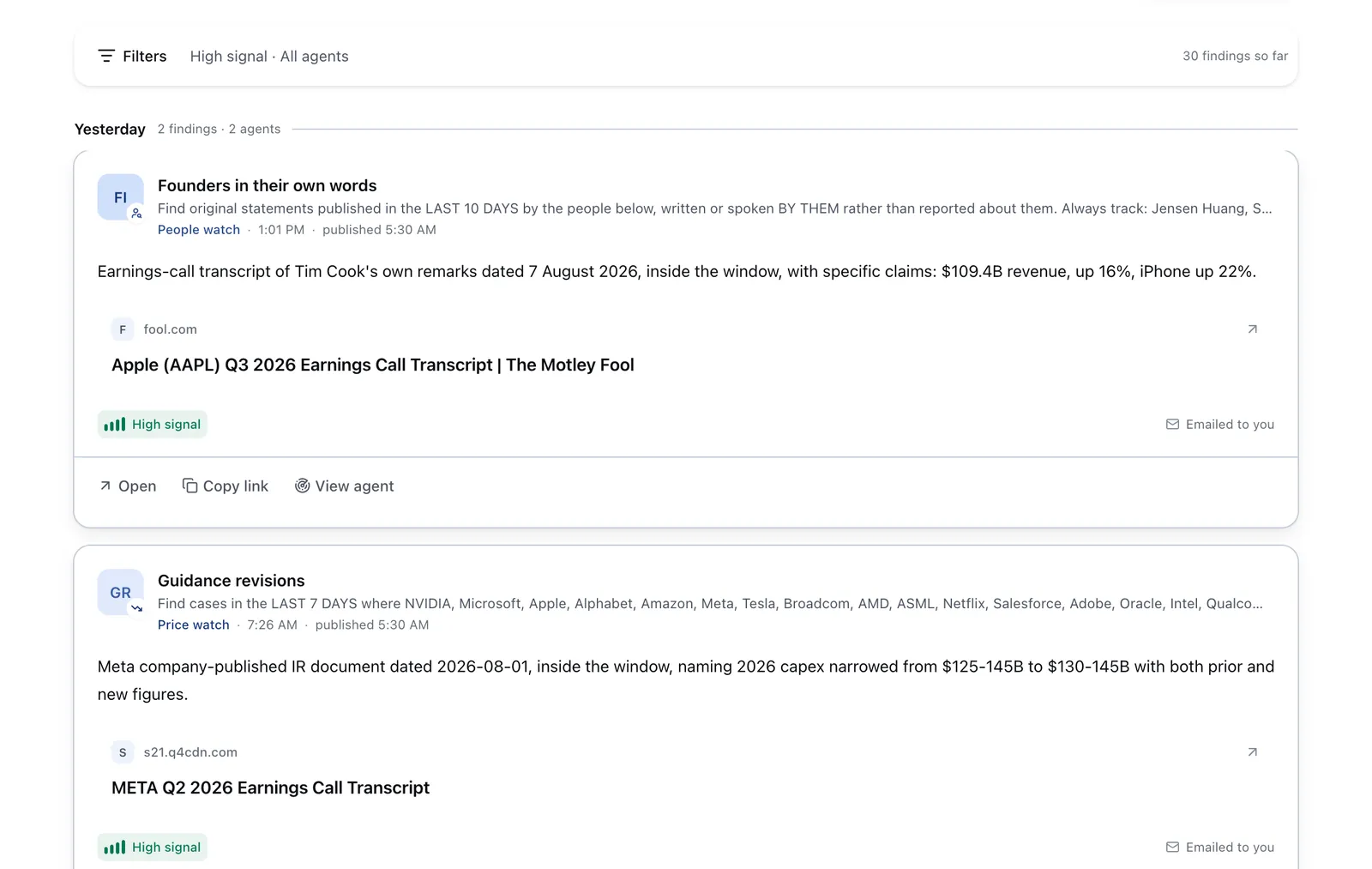
Run it on Parlel
Parlel helps you take your interview preparation to the next level. By publishing your skills on your profile and setting your status to open-to-work, you make yourself discoverable by hiring managers and AI agents actively searching for candidates. You can also run or follow agents that watch for jobs matching your skills and interests in real time. Explore opportunities on /explore and find roles tailored for you on /jobs. Parlel’s open professional network makes it easier to connect, apply, and get found while you focus on preparing for your interviews.
Keep reading
- ATS Resume Template — Optimize your resume to pass applicant tracking systems.
- Resume for Freshers — Build a strong resume even with limited experience.
- Resume Keywords — Use the right keywords to get noticed by recruiters and AI.
Sources and Further Reading
- How to Prepare for an Interview (With Tips) - Indeed
- What To Do Before an Interview - Indeed
- What To Expect in an Interview and 10 Steps to Prepare - Indeed
- Step By Step Interview Preparation Guide - LinkedIn