TL;DR
- Insurance careers span sales, underwriting, claims, actuarial science, and customer service, each with distinct roles and requirements.
- Many insurance jobs require a license, but entry-level roles often need only a high school diploma and on-the-job training.
- Median pay for insurance sales agents was $62,280 in 2025, with steady job growth projected through 2035.
- Remote insurance jobs are increasingly common, especially in claims adjusting, underwriting, and customer support.
- Use specialized job platforms and filters to find current insurance listings; tailor your resume and prepare for licensing exams to boost your chances.
Insurance Jobs at a Glance: Career Paths, Pay, and Entry Requirements
The insurance industry offers a broad spectrum of jobs, from sales and customer service to technical roles like underwriting and actuarial analysis. According to the U.S. Bureau of Labor Statistics (BLS), insurance sales agents earned a median annual wage of $62,280 in May 2025, with employment projected to grow 3% from 2025 to 2035 — about as fast as the average for all occupations. The industry expects roughly 43,100 openings per year for insurance sales agents alone, including replacement and new jobs.
Most insurance sales roles require at least a high school diploma or equivalent, along with state-specific licensing. Other positions, such as actuaries or underwriters, may require specialized degrees or certifications. Remote work options are expanding, especially for roles that involve data analysis or client communication.
For those new to insurance, many entry-level jobs do not require prior experience but may involve licensing or training programs. Understanding the types of jobs, salary ranges, and qualifications can help you target your job search effectively.
What Types of Jobs Can You Get in Insurance?
Insurance careers are diverse and can be grouped into several main categories:
- Insurance Sales Agents: Sell insurance policies to individuals and businesses. They explain coverage options and help clients choose plans. Licensing is required.
- Claims Adjusters and Examiners: Investigate insurance claims to determine the extent of the insuring company's liability. Roles often require analytical skills and some states require licensing.
- Underwriters: Evaluate insurance applications to decide whether to provide coverage and at what premium. This role often requires analytical skills and knowledge of risk assessment.
- Actuaries: Use mathematics, statistics, and financial theory to study uncertain future events, especially those of concern to insurance companies.
- Customer Service Representatives: Assist policyholders with questions, billing, and claims processing.
- Auto Appraisers and Inspectors: Assess vehicle damage and value for insurance claims.
- Risk Managers: Help companies identify and mitigate risks.
Indeed’s insurance career explorer lists these roles and provides estimated pay and openings, highlighting the variety of paths available beyond sales. Many roles require specific skills, such as communication for sales or analytical ability for underwriting and actuarial work. Remote and hybrid opportunities exist in many of these functions, especially in underwriting and claims processing.
Explore insurance career roles on Indeed
Insurance Job Salaries: Compare Sales, Claims, Underwriting, and Actuarial Work
Salary varies widely by role, experience, and location. Here’s a snapshot based on BLS and Indeed data:
- Insurance Sales Agents: Median wage $62,280 (May 2025). Earnings can be commission-based, so top performers may earn significantly more.
- Claims Adjusters: Median wages typically range from $50,000 to $70,000, depending on experience and specialization.
- Underwriters: Median annual wage around $70,000, with higher pay for specialized underwriting (e.g., life, health, or commercial insurance).
- Actuaries: Among the highest paid in insurance, with median salaries often exceeding $100,000, reflecting advanced education and certification requirements.
- Customer Service Representatives: Median pay is generally lower, around $40,000, but these roles offer entry points into the industry.
Commission and bonus structures are common in sales roles, while claims and underwriting jobs tend to offer more stable salaries. Remote roles may offer competitive pay but check listings carefully for compensation details.
See detailed salary and outlook at BLS
Salary and openings on Indeed
Entry-Level Insurance Jobs: Roles You Can Start Without Industry Experience
Many insurance jobs welcome candidates with little or no prior experience, especially if you have a high school diploma or equivalent. Common entry-level roles include:
- Insurance Sales Trainee / Assistant: Often provided with training and support to obtain necessary licenses.
- Claims Clerk or Assistant: Supports claims adjusters with paperwork and data entry.
- Customer Service Representative: Handles policyholder inquiries and basic account management.
- Data Entry or Administrative Support: Supports insurance teams with document management and scheduling.
- Junior Underwriter Assistant: Assists underwriters with data collection and preliminary risk assessments.
These roles often provide on-the-job training and may require passing licensing exams within a set period. Employers may also offer tuition reimbursement or support for certifications. Starting in an entry-level role can be a stepping stone to more advanced positions like licensed agent, adjuster, or underwriter.
Find entry-level insurance jobs on LinkedIn
Insurance Licenses and Qualifications: What Each Role Requires
Licensing requirements vary by state and role but are critical for many insurance jobs:
- Insurance Sales Agents: Must be licensed in the states where they sell policies. Licensing typically involves pre-licensing education and passing a state exam. Common licenses include Life, Health, Property, and Casualty.
- Claims Adjusters: Some states require licensing, especially for independent adjusters.
- Underwriters and Actuaries: Usually do not require licenses but often need relevant degrees and certifications (e.g., Chartered Property Casualty Underwriter (CPCU), Society of Actuaries credentials).
- Customer Service Roles: Typically no license required but may require knowledge of insurance products and regulations.
Licensing costs and exam preparation can be a barrier but are often supported by employers. Verify licensing requirements early in your job search to ensure compliance and readiness.
Learn about licensing from BLS
Check insurance agent jobs with licensing info
Remote Insurance Jobs: Common Roles and How to Search
Remote work in insurance is growing, especially in roles that rely on digital communication and data analysis. Common remote insurance jobs include:
- Remote Insurance Sales Agents: Using phone and video calls to meet clients.
- Claims Adjusters and Examiners: Reviewing claims and documentation remotely.
- Underwriters: Assessing risk and approving policies from home offices.
- Customer Service Representatives: Handling inquiries via phone, chat, or email.
- Data Analysts and Actuaries: Performing complex calculations and modeling using specialized software.
When searching for remote insurance jobs, use filters on job boards to specify "remote" or "work from home." Check job descriptions carefully for requirements such as home office equipment or internet speed. Some roles may be hybrid, requiring occasional office visits.
Browse remote insurance jobs on Indeed
Filter remote insurance roles on LinkedIn
How to Find and Evaluate Insurance Job Listings
Finding the right insurance job requires targeted searching and careful evaluation:
- Use specialized job boards: Indeed and LinkedIn have dedicated insurance job listings with filters for location, experience, salary, and remote options.
- Filter by job type and experience: Separate entry-level from experienced roles to avoid applying beyond your qualifications.
- Check licensing requirements: Confirm if the job requires a license and whether the employer supports obtaining it.
- Assess compensation: Look for clear salary or commission details. Beware of commission-only roles without base pay.
- Evaluate employer reputation: Research companies, read reviews, and verify job posting dates to avoid scams or outdated listings.
Regularly update your search terms and set alerts for new postings. Use Parlel to discover roles that match your skills and preferences.
See live insurance job listings on LinkedIn
Explore broad insurance listings on Indeed
How to Apply: Resume Tips, Interview Questions, and Offer Checks
Resume Tips for Insurance Jobs
- Highlight relevant skills: Communication, sales, customer service, data analysis, or risk assessment.
- Include certifications and licenses: Even if pending, note your progress on exams or courses.
- Use keywords: Incorporate insurance-specific terms and skills from job descriptions.
- Show measurable achievements: For sales roles, include quotas met or exceeded; for claims or underwriting, emphasize accuracy or efficiency.
See our guides on ATS Resume Templates, Resume for Freshers, and Resume Keywords for more help.
Common Interview Questions
- Why do you want to work in insurance?
- How do you handle rejection or difficult clients?
- Describe a time you analyzed data to make a decision.
- How do you stay organized when managing multiple cases or clients?
- Are you prepared to obtain required licenses?
Offer and Contract Checks
- Understand commission structures and base salary.
- Clarify licensing support and training availability.
- Review non-compete clauses or exclusivity agreements.
- Confirm work schedule, remote options, and benefits.
Run it on Parlel
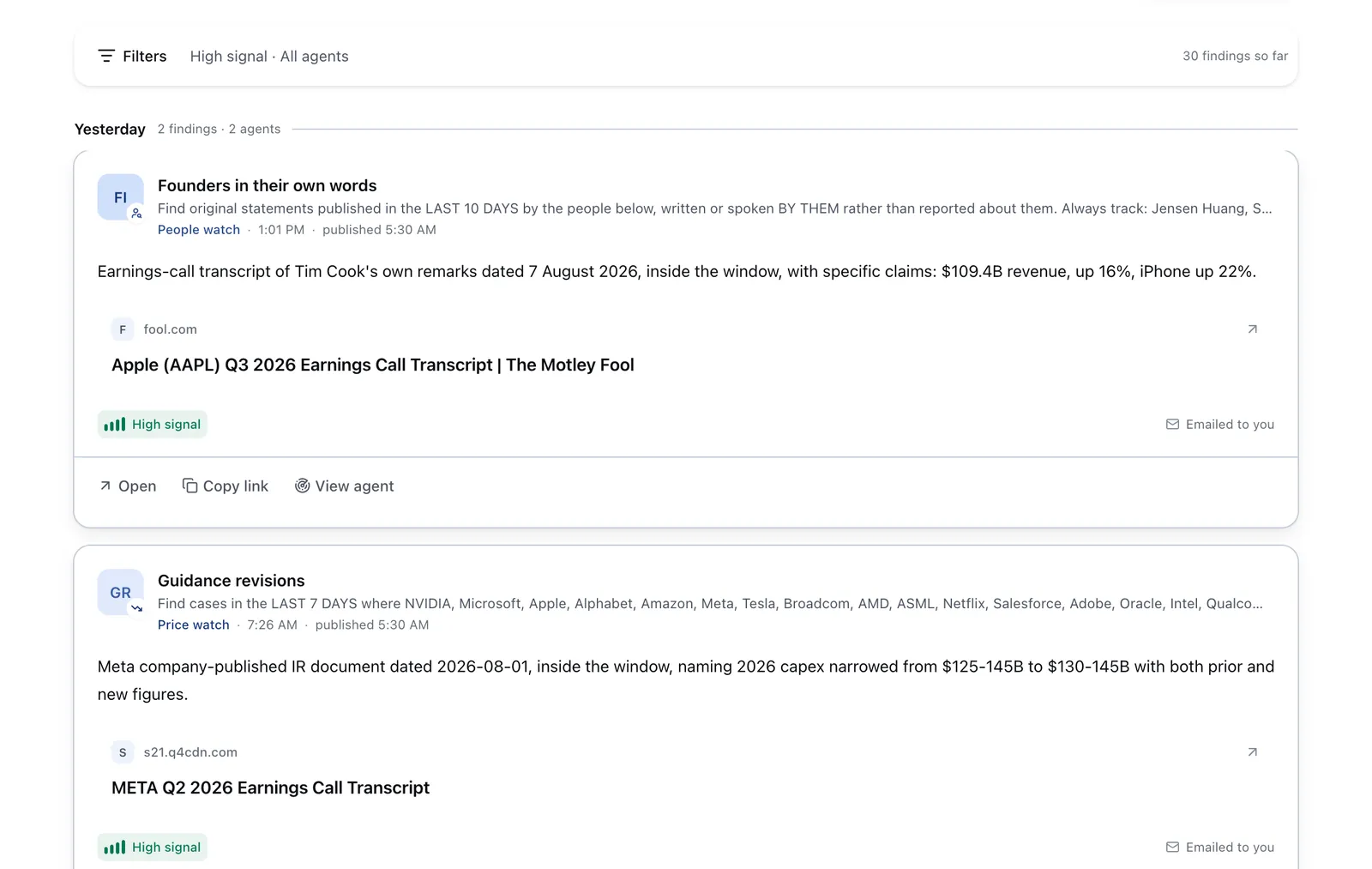
Publish your insurance-related skills on your Parlel profile and set your status to open-to-work. Parlel’s AI-powered agents continuously watch for insurance roles that match your skills and preferences. You can also follow or run agents that track insurance jobs by location, role, or licensing requirements. This proactive approach helps you get found by hiring managers and recruiters without constant job hunting.
Explore insurance jobs and agents here: /explore and /jobs.
Keep reading
Sources and further reading
- 15 careers in insurance hiring now - Indeed
- Insurance Jobs in United States - LinkedIn
- USA Insurance Jobs, Employment - Indeed
- Insurance Sales Agents: Occupational Outlook Handbook - BLS
- Insurance Agent Jobs in United States - LinkedIn