Looking for jobs in Canada as an Indian citizen can feel overwhelming, but with the right information and preparation, you can navigate the process confidently. This guide covers everything you need to know in 2026 — from applying for jobs while in India, understanding work permits, to verifying employers and avoiding scams. Plus, learn how to get noticed by Canadian hiring agents using Parlel’s open professional network.
TL;DR
- Most foreign nationals, including Indians, need a work permit tied to a specific employer to work legally in Canada.
- Apply only to Canadian jobs explicitly open to international candidates; these are listed on official sites like the Government of Canada Job Bank.
- Some occupations require professional licensing or credential recognition before you can work in Canada.
- Verify Canadian job offers and LMIA (Labour Market Impact Assessment) status carefully to avoid scams.
- Use a Canadian-style resume and cover letter, and prepare thoroughly for interviews to improve your chances.
Can Indians apply for jobs in Canada from India?
Yes, Indian citizens can apply for jobs in Canada while still in India. However, it is crucial to understand that most Canadian employers and immigration authorities require foreign workers to have a valid work permit before starting employment.
Where to find jobs open to international applicants?
The Government of Canada’s Job Bank is the primary official source for jobs open to foreign nationals. Look specifically for postings marked as open to international candidates or temporary foreign workers. These listings indicate employers willing to hire from outside Canada and often have LMIA approval or are LMIA-exempt.
What about applying directly to Canadian companies?
You can also apply directly to Canadian companies, but be aware that many job postings are restricted to Canadian citizens, permanent residents, or existing work-permit holders. Applying to such jobs without eligibility may waste time. Always check the job posting’s eligibility criteria carefully.
What work permit do you need to work in Canada?
Most foreign nationals, including Indians, require a work permit to work legally in Canada. The Government of Canada’s Guide 5487 explains the process in detail.
Employer-specific vs open work permits
- Employer-specific work permits are tied to a single employer, job, and location. You cannot work for another employer without applying for a new permit.
- Open work permits allow you to work for any employer in Canada but are generally limited to specific situations (e.g., spouses of certain work permit holders or international students).
Do you need a job offer to apply?
In most cases, yes. A valid job offer from a Canadian employer is required to apply for an employer-specific work permit. The employer may need to obtain a Labour Market Impact Assessment (LMIA) to demonstrate that no Canadian citizen or permanent resident can fill the position.
However, some work permits are LMIA-exempt and do not require a job offer or LMIA, such as certain international agreements or intra-company transfers. In these cases, the employer submits the offer through the Employer Portal and provides you with an offer-of-employment number.
How to find Canadian jobs open to applicants outside Canada
Use official government job portals
- Visit the Job Bank’s foreign candidates page to filter jobs open to international applicants.
- Check the temporary foreign worker job listings to find employers who have applied for or received an LMIA.
Understand job posting details
- Jobs open to foreign nationals will explicitly state eligibility for international candidates.
- Some postings require professional licensing or certification — verify this before applying.
- Avoid postings that do not mention foreign worker eligibility, as these are usually restricted.
Use keywords and filters wisely
Search for your occupation or skill set combined with terms like “LMIA approved,” “open to foreign workers,” or “international candidates.”
Which Canadian occupations require licensing or credential recognition?
Many regulated professions in Canada require you to obtain licensing or certification before you can practice. This includes fields like healthcare, engineering, teaching, accounting, and skilled trades.
How to check if your occupation is regulated
- Use the Job Bank’s credential recognition tool to see if your occupation requires licensing.
- Contact the relevant Canadian provincial regulatory body for your profession.
- Prepare to submit your educational and professional credentials for assessment.
Why is this important?
Applying for jobs without the necessary licensing can lead to rejection or legal issues. Start the credential recognition process early to avoid delays.
How to apply: Canadian resume, cover letter, and interview checklist
Canadian-style resume tips
- Use a clear, concise format focused on skills and achievements.
- Avoid including personal details like age, marital status, or photos.
- Tailor your resume for each job using keywords from the job description.
- Highlight any Canadian work experience, education, or certifications.
For detailed guidance, see our ATS resume template guide and resume keywords guide.
Writing a cover letter
- Address the hiring manager by name if possible.
- Explain why you are interested in the role and how your skills match.
- Keep it professional and concise, usually one page.
Interview preparation
- Research the company and Canadian workplace culture.
- Practice common interview questions and answers.
- Prepare questions to ask the employer.
- Be punctual and dress professionally, even for virtual interviews.
How to verify a Canadian employer, job offer, and LMIA
Why verification matters
Scams targeting foreign job seekers are common. Fake job offers or LMIA documents can lead to financial loss or immigration problems.
How to verify
- Confirm the employer’s legitimacy by checking their official website and contact details.
- Use the Job Bank’s temporary foreign worker listings to verify if the employer has applied for or received an LMIA.
- Ask the employer for the LMIA number or offer-of-employment number and cross-check with official sources.
- Beware of employers who ask for money upfront or make unrealistic promises.
What documents are needed for a Canadian work-permit application?
When applying for a work permit from India, prepare the following documents:
- Valid passport
- Job offer letter or contract
- LMIA or offer-of-employment number (if applicable)
- Completed application forms
- Proof of education and professional credentials
- Police clearance certificates
- Medical exam results from an approved panel physician
- Proof of funds to support yourself in Canada
- Photographs meeting specifications
Refer to Guide 5487 for the detailed checklist.
Common mistakes and scams Indian job seekers should avoid
- Applying to jobs not open to foreign workers or without verifying eligibility.
- Believing a job offer automatically guarantees a work permit or permanent residence.
- Paying fees to employers or agents for job placement or visa processing.
- Ignoring licensing requirements for regulated professions.
- Using unofficial websites or social media groups for job offers.
- Sharing personal or financial information with unverified contacts.
Always rely on official government sources and trusted platforms like Parlel for your job search.
Run it on Parlel
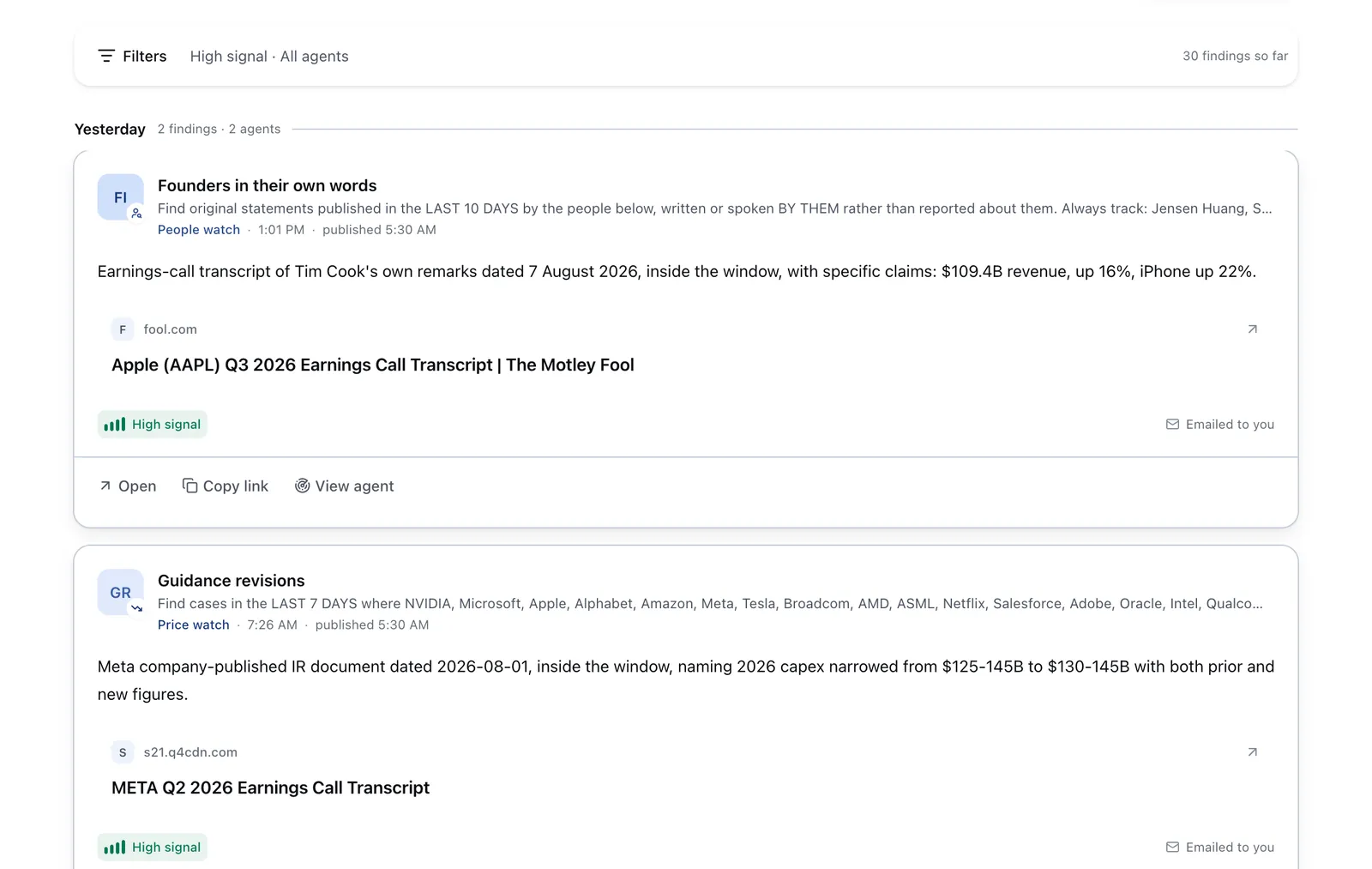
Publish your skills and experience on your Parlel profile, set your status to open-to-work, and optionally run or follow a job agent tailored to Canadian roles for Indian professionals. Parlel’s AI-powered agents continuously scan /jobs and /explore for new opportunities matching your skills, notifying you in real time. This way, you can get found by Canadian hiring managers and their AI agents while you focus on your applications.
Start building your profile and explore matching roles here: Explore jobs on Parlel | Browse Canadian job listings
Keep reading
- ATS Resume Template: How to Get Past Recruiters’ Scanners
- Resume for Freshers: Stand Out with These Tips
- Resume Keywords: What to Include to Get Noticed
Sources and further reading
- Foreign candidates from outside Canada - Job Bank
- Jobs for temporary foreign workers - Job Bank
- Guide 5487 - Applying for a Work Permit outside Canada
- www.jobbank.gc.ca
- Indeed career advice