TL;DR
- Use top job portals like Jobstreet, Indeed, and MyCareersFuture to find current openings tailored by industry and experience.
- Foreigners must obtain a valid work pass before starting work; Employment Pass requires meeting salary and COMPASS criteria.
- Key hiring sectors include tech, finance, healthcare, and legal services; tailor your applications accordingly.
- Networking, referrals, and direct employer outreach remain crucial strategies alongside online job searches.
- Beware of job scams; verify employers through official channels and trusted resources before applying.
How to Find Jobs in Singapore: A Step-by-Step Search Plan
Finding a job in Singapore involves a structured approach combining online research, networking, and understanding local employment regulations. Here’s a practical plan:
-
Identify your target industry and roles. Research which sectors are hiring and align your skills accordingly (see Which Industries and Roles Are Hiring?).
-
Prepare your CV and cover letter. Singapore employers expect concise, clear, and tailored documents highlighting relevant skills and experience (details in How to Apply).
-
Search on recommended job websites. Use platforms like Jobstreet, Indeed, MyCareersFuture, and sector-specific sites to find current openings (see Best Job Websites).
-
Network actively. Engage on LinkedIn, attend industry events, and seek referrals to increase your chances (covered in Networking, Recruiters, and Direct Applications).
-
Understand work pass requirements. If you are a foreigner, ensure you qualify for and apply for the correct work pass before employment (see Can Foreigners Work in Singapore? Work-Pass Basics).
-
Apply and prepare for interviews. Submit applications as per instructions and prepare for interviews focusing on cultural fit and role-specific skills.
-
Verify employers and avoid scams. Use official resources to confirm legitimacy before sharing personal information (see Job-Search Scams and How to Verify an Employer).
Best Job Websites and Government Career Services in Singapore
Singapore offers a variety of reliable online job portals and government services to help job seekers:
- Jobstreet and Indeed: Broad listings across industries with filters by location, salary, and work arrangement.
- MyCareersFuture: Government-backed portal offering curated jobs and career resources.
- JobsCentral: Popular for fresh graduates and mid-career professionals.
- Glassdoor and eFinancialCareers: Useful for company reviews and finance sector roles.
- The Legal 500: Specialized listings for legal professionals.
These portals often provide detailed employer profiles, application deadlines, and role descriptions to help you target your search effectively.
Additionally, government career services offer workshops, resume clinics, and career counseling to enhance your job readiness.
For the latest comprehensive list and tips, see the Singapore Global Network’s Practical Guide.
Which Industries and Roles Are Hiring?
Singapore’s economy is diverse, with several sectors actively recruiting:
- Technology: Software development, cybersecurity, data analytics, and AI roles are in high demand.
- Finance: Banking, fintech, risk management, and compliance positions continue to grow.
- Healthcare: Nurses, allied health professionals, and biomedical researchers are sought after.
- Legal Services: Corporate law, compliance, and intellectual property experts find steady opportunities.
- Logistics and Supply Chain: Roles in operations and management are expanding due to Singapore’s strategic location.
Emerging sectors such as green technology and digital marketing also offer new job prospects. To stay updated, monitor listings on platforms like Jobs in Singapore on Indeed and Indeed Jobs in Singapore.
How to Apply: Singapore CVs, Cover Letters, and Interviews
CV Tips
- Keep your CV concise (1-2 pages), focusing on relevant experience and skills.
- Use clear headings, bullet points, and quantify achievements where possible.
- Include a professional summary tailored to the role.
- Highlight education, certifications, and language proficiency.
Cover Letters
- Personalize each cover letter to the job and company.
- Explain why you are a good fit and how you can add value.
- Keep it brief (around 250-300 words).
Interviews
- Prepare to discuss your experience and how it relates to the role.
- Understand Singapore’s work culture—professionalism, punctuality, and respect are key.
- Be ready for competency-based questions and scenario discussions.
For detailed guidance, see our related guides on ATS Resume Template, Resume for Freshers, and Resume Keywords.
Can Foreigners Work in Singapore? Work-Pass Basics
Foreign job seekers must obtain a valid work pass before starting employment in Singapore. The main types include:
- Employment Pass (EP): For professionals earning a minimum qualifying salary and meeting the COMPASS framework score of at least 40 points for new applications.
- S Pass: For mid-skilled workers meeting salary and qualification criteria.
- Work Permit: For semi-skilled or unskilled workers in specific sectors.
The Ministry of Manpower (MOM) enforces these regulations strictly. Employers typically assist with work pass applications, but job seekers should verify eligibility upfront.
For comprehensive details, refer to the Guide to Hiring in Singapore.
Salary, Benefits, and Employment Rights to Check
Salary Expectations
Salaries vary by industry, role, and experience. Use job portals and salary surveys to benchmark your expectations.
Benefits
Common benefits include annual leave, medical insurance, CPF contributions (for locals and PRs), and bonuses.
Employment Rights
The Employment Act governs most workers, excluding seafarers, domestic workers, and public servants. It covers working hours, rest days, and termination procedures.
Foreigners should understand their rights and obligations under Singapore law to ensure fair treatment.
More on employment rights is available in the Guide to Hiring in Singapore.
Networking, Recruiters, and Direct Applications
Networking remains a powerful job-search tool in Singapore:
- LinkedIn: Connect with in-house recruiters and hiring managers.
- Industry Events: Attend seminars, workshops, and meetups to build contacts.
- Referrals: Leverage your network for introductions and recommendations.
- Recruitment Agencies: Specialized recruiters can match your skills to suitable roles.
Directly contacting employers with tailored applications can also yield results, especially for niche roles.
Singapore Global Network highlights networking and referrals as key strategies in their Practical Guide.
Job-Search Scams and How to Verify an Employer
Job scams are a concern worldwide, including Singapore. Protect yourself by:
- Applying only through official job portals or company websites.
- Verifying employer details via the Accounting and Corporate Regulatory Authority (ACRA) or official company sites.
- Avoiding offers that require upfront payments or personal financial information.
- Checking reviews on platforms like Glassdoor and LinkedIn.
When in doubt, contact the company directly using verified contacts or seek advice from government career services.
Run it on Parlel
Maximize your job search by leveraging Parlel’s open professional network:
- Publish your skills on your Parlel profile to showcase your expertise.
- Set your profile to open-to-work so hiring managers and AI agents can find you.
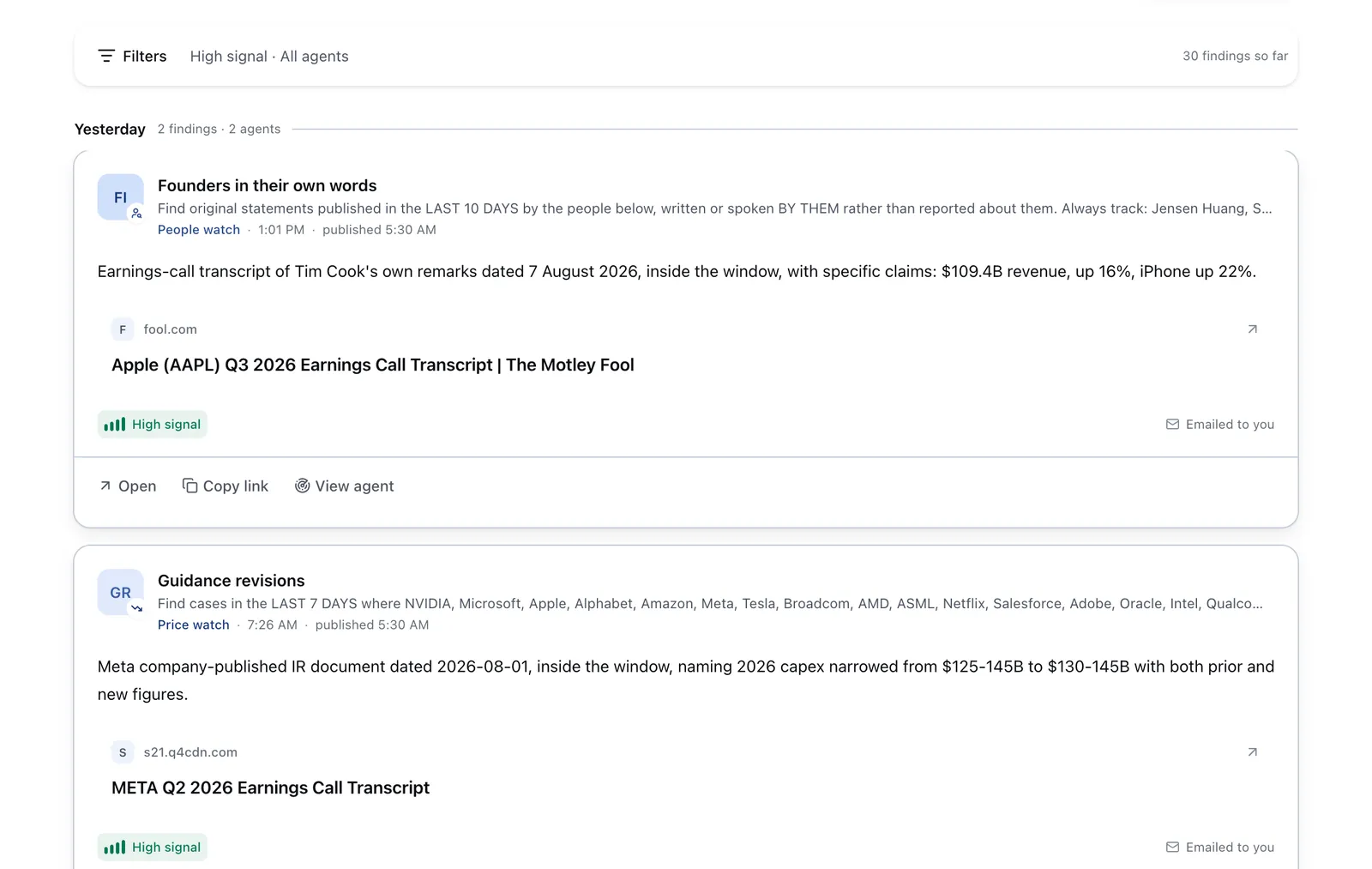
- Run or follow agents that watch for roles matching your skills and interests, including jobs in Singapore.
- Explore matching jobs and people at /explore and /jobs.
This proactive approach helps you get found by recruiters while you continue your outbound applications.
Keep reading
Sources and further reading
- Jobs in Singapore - Indeed
- Indeed Jobs in Singapore - LinkedIn
- A Practical Guide to Working in Singapore - Singapore Global Network
- Guide to Hiring in Singapore - Economic Development Board
- Working in Singapore Guide - Singapore Global Network