Finding jobs in the USA as an Indian citizen can be a rewarding but complex journey. This guide breaks down practical steps, visa routes, application strategies, and tips to help you navigate the U.S. job market in 2026. Whether you are applying from India or already in the U.S., understanding employer sponsorship, visa categories, and how to present yourself effectively will boost your chances. Plus, learn how to get found by hiring agents on Parlel, the open professional network designed to connect you with relevant U.S. roles.
TL;DR
- Indian citizens need proper U.S. work visas, usually employer-sponsored like the H-1B, to work legally in the USA.
- The H-1B visa requires an employer petition including a Labor Condition Application filed with the Department of Labor.
- Use targeted job portals, employer career pages, and professional networks to find U.S. employers who sponsor visas.
- Prepare a U.S.-style resume and LinkedIn profile tailored for your target roles and industries.
- Verify sponsorship details directly with employers to avoid scams and wasted applications.
Can Indian Citizens Work in the United States?
Yes, Indian citizens can work in the United States, but only with the appropriate work authorization. Unlike some countries with open work permits, the U.S. requires foreign nationals to have a valid visa that permits employment. The most common route for Indian professionals is obtaining an employer-sponsored work visa, such as the H-1B.
According to the U.S. Embassy in India, work visas like the H and L categories require an approved petition from the U.S. Department of Homeland Security before scheduling a visa interview. This means you cannot simply apply for a job and then get a visa; your prospective employer must first petition on your behalf.
While some Indian citizens may qualify for other visa categories (such as student visas with Optional Practical Training, or O-1 visas for individuals with extraordinary ability), the majority seeking employment will focus on employer-sponsored work visas.
Which U.S. Work Visa Routes May Fit Your Situation?
Several visa categories allow Indian nationals to work in the U.S., but the most relevant for job seekers are:
H-1B Specialty Occupation Visa
- Designed for specialty occupations requiring theoretical or technical expertise (e.g., IT, engineering, finance, healthcare).
- The employer must file a Labor Condition Application (LCA) with the Department of Labor and then submit Form I-129 to USCIS.
- Once approved, the applicant can apply for the H-1B visa at a U.S. consulate or embassy.
- Admission to the U.S. is a separate step after visa issuance.
- See the USCIS H-1B Specialty Occupations page for detailed requirements.
L-1 Intracompany Transfer Visa
- For employees of multinational companies transferring to a U.S. office.
- Requires that you have worked for the company abroad for at least one continuous year.
O-1 Visa for Individuals with Extraordinary Ability
- For professionals with demonstrated extraordinary achievements in sciences, arts, education, business, or athletics.
Optional Practical Training (OPT) and STEM OPT Extension
- Available to F-1 student visa holders after graduation for temporary work authorization.
Other Work Visas
- H-2B for seasonal non-agricultural workers, TN for Canadian/Mexican citizens, etc., are less common for Indian nationals.
Important: You cannot legally work in the U.S. without a valid work visa or employment authorization. Applying for jobs without understanding visa requirements may lead to wasted effort.
How to Find U.S. Employers That Sponsor Visas
Finding U.S. employers willing to sponsor Indian applicants involves research and strategic searching:
- Use Job Portals with Visa Sponsorship Filters: Websites like Indeed aggregate listings mentioning visa sponsorship. However, listings may include part-time or unrelated roles, so verify each opportunity carefully.
- Check Employer Career Pages: After identifying potential employers, visit their official careers pages to confirm visa sponsorship policies and current openings.
- Target Industries with High Sponsorship Rates: IT, software development, engineering, healthcare, and finance sectors often sponsor H-1B visas.
- Leverage Professional Networks: Platforms like LinkedIn and Parlel allow you to connect with recruiters and employees who can provide insights or referrals.
- Attend Job Fairs and Virtual Hiring Events: Some events specifically target international candidates or visa sponsorship opportunities.
A practical search approach is to combine role-specific keywords with “H-1B sponsorship” or “visa sponsorship” and then validate the employer’s sponsorship status before applying, as advised by LeapScholar.
How to Apply for U.S. Jobs From India
Applying for U.S. jobs while in India requires preparation and understanding of the process:
- Research Visa Sponsorship: Confirm the employer’s willingness and ability to sponsor your visa before applying.
- Prepare a U.S.-Style Resume: Use a clear, concise format emphasizing relevant skills, accomplishments, and keywords tailored to the job description.
- Craft a Professional Cover Letter: Highlight your eligibility, interest in the role, and understanding of visa sponsorship requirements.
- Apply Through Official Channels: Use employer websites, reputable job portals, or professional networks like Parlel to submit applications.
- Network Actively: Engage with recruiters and employees on LinkedIn and Parlel to increase visibility and referrals.
- Prepare for Remote Interviews: Be ready for video or phone interviews, understanding U.S. workplace culture and expectations.
Remember, applying without confirming sponsorship can lead to disappointment. Always verify the visa category and sponsorship policy with the employer.
How to Prepare a U.S.-Style Resume and LinkedIn Profile
Your resume and LinkedIn profile are your primary marketing tools. Here’s how to optimize them for U.S. employers:
- Resume:
- Keep it to 1-2 pages.
- Use reverse chronological order.
- Include a professional summary, skills section, and quantifiable achievements.
- Tailor keywords to the job description to pass Applicant Tracking Systems (ATS).
-
Avoid personal details like photo, marital status, or date of birth.
-
LinkedIn Profile:
- Use a professional photo and headline.
- Write a compelling summary emphasizing your expertise and visa status if relevant.
- List detailed experience with accomplishments.
- Add skills and get endorsements.
- Network by joining relevant groups and following companies.
See our related guides on ATS Resume Template, Resume for Freshers, and Resume Keywords for detailed tips.
What Happens After a U.S. Employer Makes an Offer?
Receiving a job offer is a major milestone but not the final step:
- Employer Files Visa Petition: The employer submits the Labor Condition Application and Form I-129 petition to USCIS.
- Petition Approval: Once USCIS approves the petition, you receive a Notice of Approval (Form I-797).
- Visa Application: You apply for the visa at a U.S. embassy or consulate in India, attending an interview.
- Visa Issuance: If approved, you receive the visa stamp in your passport.
- Travel and Work Authorization: Upon arrival in the U.S., Customs and Border Protection officers admit you for employment under the visa terms.
Note that a job offer alone does not grant work authorization. The employer’s petition and visa approval are mandatory steps, as explained by USCIS.
How to Verify Sponsorship and Avoid Job Scams
Visa sponsorship scams are unfortunately common. Protect yourself by:
- Confirming Employer Details: Verify the company’s legitimacy via official websites and business directories.
- Asking Specific Questions: Inquire about visa categories, petition procedures, and whether the employer has sponsored visas before.
- Avoiding Upfront Fees: Legitimate employers do not charge job seekers for visa sponsorship or job placement.
- Checking Job Listings Carefully: Be cautious of vague listings or those promising guaranteed visas without interviews.
- Using Trusted Platforms: Apply through reputed job portals, company websites, or professional networks like Parlel.
Always cross-reference job offers and sponsorship claims with official sources and employer contacts.
Frequently Asked Questions About Jobs in the USA for Indians
How can an Indian citizen get a job in the USA?
Indian citizens must secure a job offer from a U.S. employer willing to sponsor a work visa, such as the H-1B. The employer files a petition, and after approval, the applicant applies for a visa and enters the U.S. with work authorization.
Do U.S. employers sponsor work visas for Indian applicants?
Yes, many U.S. employers sponsor work visas, especially in technology, engineering, healthcare, and finance sectors. However, sponsorship policies vary by company and role, so verification is essential.
Which U.S. work visa can an Indian professional apply for?
The most common is the H-1B specialty occupation visa. Other options include L-1 (intracompany transfer), O-1 (extraordinary ability), and OPT for recent graduates.
Can I apply for U.S. jobs from India without a work visa?
You can apply and interview, but you cannot work in the U.S. without a valid work visa. Employers typically require visa sponsorship before hiring.
Which U.S. companies hire Indian workers with visa sponsorship?
Many multinational corporations and tech companies sponsor visas. Use job portals and company career pages to identify current openings with sponsorship.
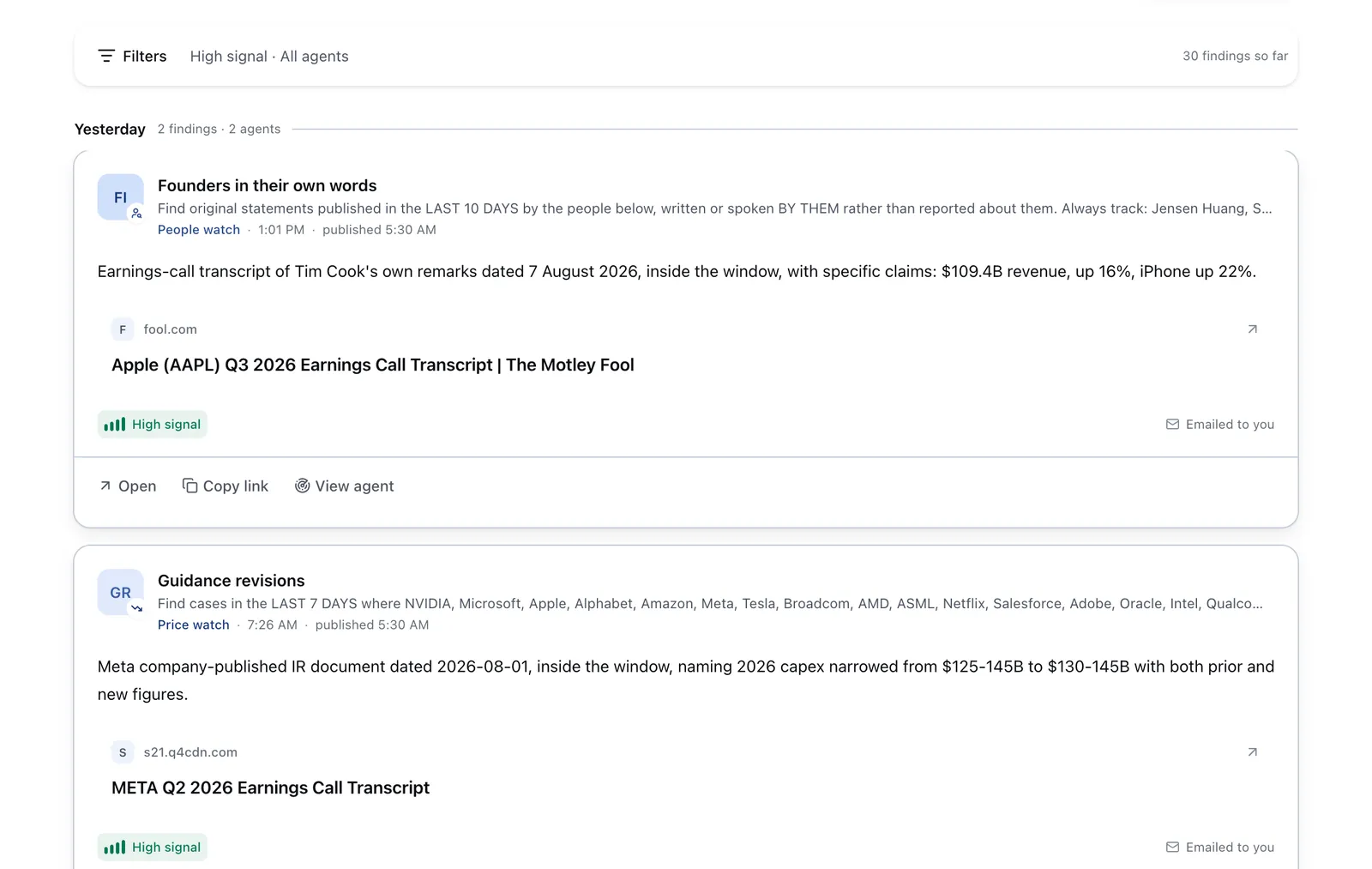
Run it on Parlel
Publish your skills on your Parlel profile and set your status to open-to-work to get discovered by hiring managers and AI recruitment agents. You can also run or follow agents that watch for jobs matching your skills and visa sponsorship needs. Explore relevant roles and connect with recruiters at /explore and browse visa-sponsored opportunities at /jobs.
Keep reading
Sources and further reading
- How To Work in USA from India 2025: Complete Guide
- usa jobs for indian with visa sponsorship jobs - Indeed
- Usa Indian Visa Sponsorship Jobs (NOW HIRING) - ZipRecruiter
- H-1B Specialty Occupations - USCIS