TL;DR
- Lab technician roles vary widely by specialty, including clinical, microbiology, chemical, and quality control labs.
- Many lab technician jobs require an associate degree; some states mandate licensing or registration.
- Salaries depend on specialty, location, and shift, with clinical roles typically offering competitive pay.
- Use targeted search filters by specialty, location, and experience to find the best job matches.
- Publish your skills and set your profile open-to-work on Parlel to get found by hiring agents automatically.
Lab Technician Jobs: Current Openings by Specialty and Location
Lab technician jobs are available across many industries and locations, reflecting the diversity of laboratory environments. Whether you want to work in a hospital clinical lab, a pharmaceutical research facility, or an industrial quality control setting, there are thousands of openings nationwide.
Specialty Areas
- Clinical Laboratory Technicians: Work primarily in hospitals, clinics, and diagnostic labs analyzing patient samples.
- Microbiology Technicians: Focus on microorganisms for research, healthcare, or food safety.
- Chemical Laboratory Technicians: Assist in chemical analysis and testing in industrial or research labs.
- Quality Control Technicians: Ensure products meet standards in manufacturing environments.
- Industrial Lab Technicians: Support testing and development in sectors like environmental monitoring or materials science.
Location and Employers
Job listings are concentrated in metropolitan areas with major healthcare systems, pharmaceutical companies, and manufacturing hubs. States with large healthcare sectors such as California, Texas, and New York often have the most openings. Employers range from hospitals and private labs to government agencies and private industry.
Entry-Level to Experienced Roles
Many listings specify experience requirements, from entry-level positions suitable for recent graduates to senior technician roles requiring several years of lab work. Some roles emphasize specialized skills like aseptic technique, instrumentation, or regulatory compliance.
For up-to-date openings and filters by specialty, location, and experience, see live listings on LinkedIn, HiringCafe, and Monster.
What Does a Lab Technician Do? Duties by Lab Type
Lab technicians perform essential tasks that support scientific investigations, diagnostics, and quality assurance. Their duties vary depending on the lab environment:
- Clinical Labs: Collect and prepare patient samples, operate automated analyzers, record results, maintain equipment, and comply with safety and quality standards.
- Microbiology Labs: Culture and identify microorganisms, prepare media, perform sensitivity testing, and document findings.
- Chemical Labs: Prepare chemical solutions, conduct titrations and analyses, maintain chemical inventories, and assist chemists with experiments.
- Quality Control Labs: Test raw materials and finished products, document compliance with specifications, and report deviations.
- Industrial Labs: Conduct environmental sampling, materials testing, and process monitoring.
Across all types, technicians must follow strict protocols, maintain accurate records, and ensure lab safety. They often work with complex instruments and software, requiring technical aptitude and attention to detail.
Lab Technician Qualifications: Education, Experience, and Certifications
Education
- Associate Degree: Most clinical laboratory technician jobs require an associate degree in clinical laboratory science or a related field. This is often sufficient for entry-level roles.
- Bachelor’s Degree: Technologist roles typically require a bachelor's degree in medical technology or life sciences.
- Hands-on Training: Accredited programs include clinical rotations or internships in hospitals or labs to provide practical experience.
Experience
- Entry-level positions may require little to no prior lab experience beyond education.
- Experienced roles often ask for 1–3 years of relevant lab work, proficiency with specific instruments, or knowledge of regulatory standards.
Certifications and Licensing
- Some states require lab technicians to be licensed or registered; requirements vary by state and specialty.
- Voluntary certifications from organizations like the American Society for Clinical Pathology (ASCP) can improve job prospects.
- Employers may require training in lab safety, aseptic techniques, and quality control procedures.
For detailed state licensing information and certification options, visit the Bureau of Labor Statistics.
Entry-Level Lab Technician Jobs: How to Get Started
Starting a career as a lab technician involves several practical steps:
- Complete an Accredited Program: Enroll in an associate degree or certificate program with clinical training.
- Gain Hands-On Experience: Seek internships, externships, or volunteer opportunities in labs.
- Build a Targeted Resume: Highlight relevant coursework, lab skills, and any certifications.
- Use Job Boards and Networks: Search for entry-level roles on platforms like HiringCafe and Monster.
- Tailor Applications: Match your resume keywords to the specialty and skills requested in job listings.
- Prepare for Interviews: Be ready to discuss lab procedures, safety protocols, and problem-solving scenarios.
Entry-level jobs often emphasize willingness to learn, attention to detail, and basic lab competencies such as pipetting, sample handling, and equipment maintenance.
Lab Technician Salary: Compare Pay by Specialty, Location, and Shift
Lab technician salaries vary widely depending on factors such as specialty, geographic location, employer, and shift schedules.
- Median Pay: According to the U.S. Bureau of Labor Statistics, median annual wages for clinical laboratory technicians were around $55,000 in recent years (illustrative).
- Specialty Differences: Industrial and chemical lab technicians may earn more in manufacturing hubs; clinical roles vary by hospital size and region.
- Location Impact: Urban centers with high living costs tend to offer higher salaries.
- Shift Premiums: Evening, night, or weekend shifts often come with additional pay.
Salary estimates from job boards like ZipRecruiter provide ranges but may differ from employer-posted pay. Always verify with specific job postings and local market data.
How to Search and Apply for Lab Technician Jobs
Search Tips
- Use filters for specialty, location, experience level, and shift to narrow down listings.
- Include related job titles such as "medical laboratory technician," "quality control technician," or "microbiology technician" to broaden your search.
- Check employer requirements carefully for education, certifications, and skills.
Application Best Practices
- Customize your resume and cover letter for each role, emphasizing skills and experiences that match the job description.
- Highlight keywords like "lab safety," "sample preparation," "instrument calibration," and "data recording."
- Include certifications and relevant software proficiencies.
- Follow application instructions precisely and submit all requested documents.
Interview Preparation
- Review common lab procedures and safety protocols.
- Be prepared to explain your hands-on experience and problem-solving approach.
- Demonstrate attention to detail and teamwork skills.
For a comprehensive job search experience, explore listings on LinkedIn, HiringCafe, and Monster.
Lab Technician vs. Medical Laboratory Technician vs. Technologist
Understanding the distinctions helps target your job search and career planning:
| Role | Education Required | Typical Duties |
|---|---|---|
| Lab Technician | Associate degree or certificate | Basic sample processing, equipment operation, data recording |
| Medical Laboratory Technician | Associate degree, certification often required | Clinical sample analysis, quality control, reporting results |
| Medical Laboratory Technologist | Bachelor’s degree | Advanced testing, method development, supervision |
Technologists usually have more responsibility, higher pay, and require a bachelor's degree. Technicians focus on routine testing and support roles. Some employers use these titles interchangeably, so always check job descriptions carefully.
Career Outlook, Licensing, and Next Steps
Career Outlook
The U.S. Bureau of Labor Statistics projects a 3% employment growth for clinical laboratory technologists and technicians from 2025 to 2035, reflecting steady demand driven by healthcare needs and technological advances.
Licensing and Certification
- Licensing requirements vary by state and specialty.
- Certification from recognized bodies enhances employability.
- Continuing education keeps skills current and may be required for license renewal.
Next Steps
- Research state-specific licensing rules.
- Pursue certifications relevant to your specialty.
- Consider advancing education to technologist level for career growth.
- Stay updated on industry trends and emerging lab technologies.
Run it on Parlel
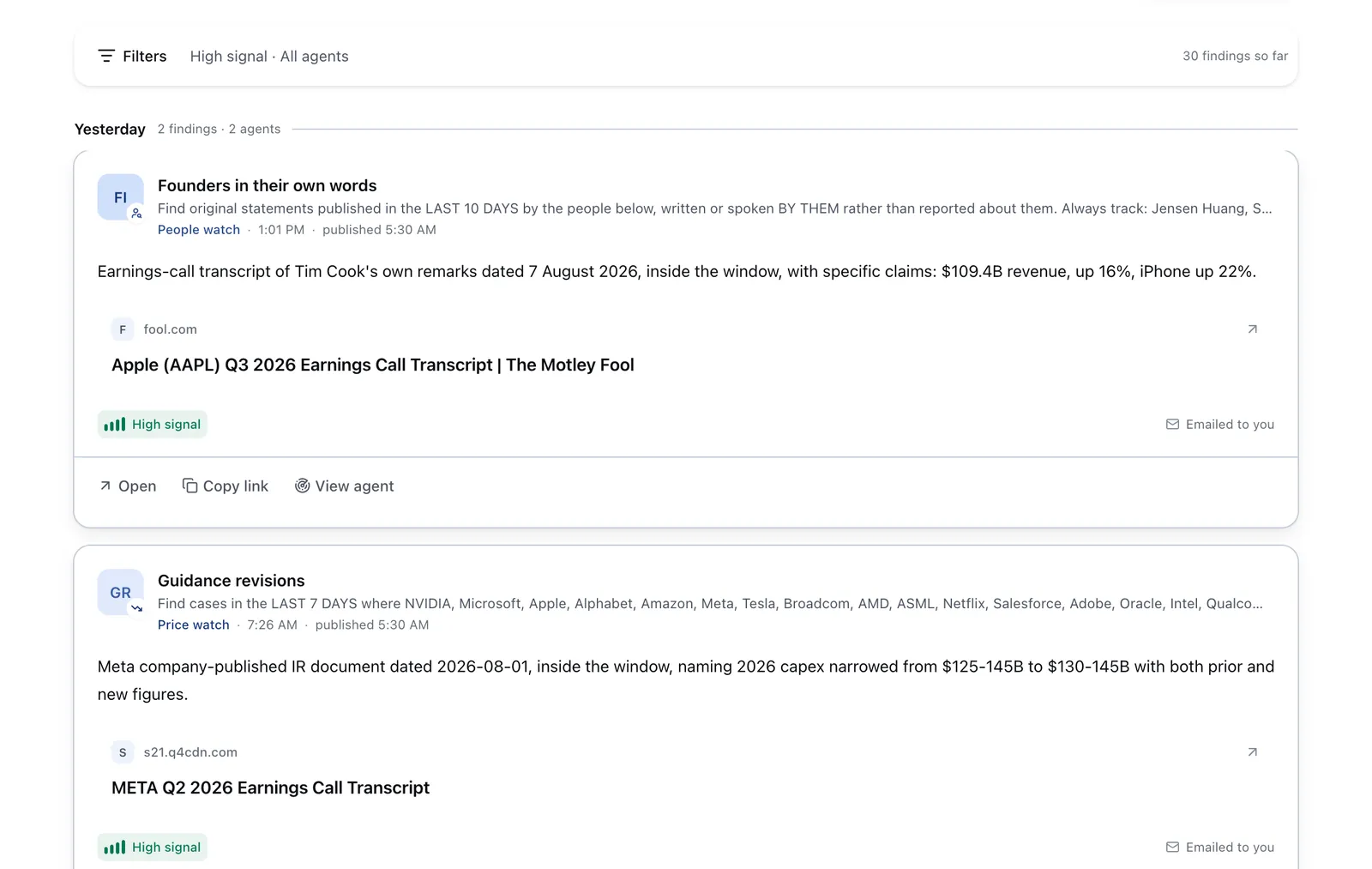
Publish your lab technician skills on your Parlel profile and set your status to open-to-work. Parlel’s AI-powered agents continuously scan the job market and alert you to roles matching your expertise in clinical, microbiology, chemical, or quality-control labs. Follow or run agents focused on lab technician jobs to get notifications about new openings and hiring companies.
Explore current lab technician roles on Parlel Jobs and connect with hiring agents and professionals in your field via Parlel Explore.
Keep reading
- ATS Resume Template — Optimize your resume for applicant tracking systems.
- Resume for Freshers — Build your first professional resume.
- Resume Keywords — Use the right terms to get noticed by recruiters.
Sources and further reading
- 17,000+ Laboratory Technician jobs in United States
- Lab Technician Jobs in United States
- Lab Technician Jobs (NOW HIRING)
- Lab Technician Jobs Near Me (New & Hiring Now)
- Clinical Laboratory Technologists and Technicians