New grad software engineer jobs are full-time roles aimed at students graduating in a defined window, often with internship experience preferred but not always required. The search is seasonal, proof-heavy, and noisy. You win by tracking graduation eligibility, shipping visible work, and applying through the channels that actually hire juniors.
This page was reviewed on September 30, 2026.
TL;DR
- Match the posting’s graduation window before you invest hours in the process.
- Combine campus/Handshake pipelines, company career pages, startup boards, and referrals.
- Lead with shipped projects, internships, and readable code, not course lists alone.
- Expect coding screens, behavioral rounds, and sometimes onsite or hybrid requirements.
- Track applications tightly; never pay for a “guaranteed” new grad offer.
What employers mean by “new grad”
Most postings define a graduation month range (for example December 2026 through June 2027) and a degree or equivalent practical experience line. Some require prior internships at high-growth companies; others accept strong projects. Hybrid office expectations are common in major hubs.
Read the eligibility line first. Applying outside the window wastes everyone’s time.
Where new grad software engineer jobs show up
| Channel | Best for | Notes |
|---|---|---|
| Handshake / campus portals | University-recruited cohorts | Deadlines sneak up |
| Company early-career pages | Big tech and late-stage startups | Watch class year tags |
| Wellfound / YC Jobs | Startup new grad and junior roles | Proof of shipping matters |
| Volume and recruiter outreach | Filter past week + entry level | |
| Referrals | Higher response odds | Ask with a specific role URL |
| Direct founder outreach | Tiny teams | Keep the note short |
India-focused fresher paths differ in portals and CTC language; see fresher jobs. Skill-building fundamentals live in how to become a software engineer.
Proof that moves a new grad application
Hiring managers skim for evidence you can learn and ship:
- Internship bullets with scope and outcomes
- Projects with a live demo, repo, or write-up
- Clear stack ownership (even on small systems)
- Collaboration signals: PR reviews, team projects, teaching roles
- Communication: README quality, issue comments, design notes
A polished but empty resume loses to a messy-looking repo that shows real decisions. Structure internship and project resumes with resume for internship.
Resume priorities for new grads
- Contact + GitHub/portfolio links that work
- Short summary naming target role and strongest proof
- Skills you can defend in a screen
- Experience and projects with action + scope + result
- Education with expected graduation date
Interview loops you should expect
| Stage | What it tests | Prep focus |
|---|---|---|
| Recruiter screen | Eligibility, timeline, communication | Graduation date, location, story |
| Online assessment | Speed and correctness on basics | Timed practice, not only untimed |
| Technical phone/video | Problem solving aloud | Talk tradeoffs, test cases |
| System or practical | Design taste or debugging | Small real systems |
| Behavioral | Ownership and teamwork | STAR stories from projects/internships |
| Onsite / team match | Collaboration and bar | Questions about mentorship and ownership |
Levels.fyi and public offer discussions can help you understand market ranges later; they are not a substitute for your own offer research and negotiation prep.
Timeline pattern (illustrative)
Illustrative calendar, not a universal rule: Large company new grad pipelines often open in the prior summer or fall for the following year’s start. Startup hiring can run year-round with smaller cohorts. If you are graduating soon and pipelines are closed, shift toward startups, later class-year postings, and off-cycle junior roles while you keep skills warm.
Weekly search plan
| Day | Action |
|---|---|
| Monday | Campus + Handshake deadlines; company early-career pages |
| Tuesday | Wellfound / YC / LinkedIn past-week filter |
| Wednesday | Project polish: README, demo, tests |
| Thursday | Tailored applications (quality over spray) |
| Friday | Referral asks + thank-yous |
| Weekend | Light DSA or debugging practice |
Tracker:
company | role | grad_window | location_hybrid | source
employer_page | date_applied | stage | next_action | notes
Hybrid and location realities
Many 2026–2027 new grad postings require hybrid attendance in a hub city. Confirm relocation help, start date, and visa constraints early. A remote-friendly internship employer may still require office days for full-time new grads.
Scam screen for early-career seekers
Be wary of:
- Paid training programs that promise placement
- Recruiters asking for fees or equipment purchases
- Offers with no technical screen and extreme urgency
- Messaging-app-only “FAANG referrals” from strangers
Verify the company domain and careers page. Cross-check salary claims against multiple sources before celebrating.
Common mistakes
- Applying outside the graduation window
- Listing every class instead of proof of building
- Ignoring hybrid location requirements
- Waiting for campus alone while off-campus roles fill
- Treating LeetCode volume as a substitute for a project you can discuss
Project standards that survive a screen
Aim for projects that show:
- A real user or realistic constraint
- Tests or monitoring of some kind
- A README with setup and design decisions
- Commits that show iteration, not one dump upload
- A demo path under five minutes
Capstone class projects count when you can explain your personal contribution. Group work without ownership clarity fails quickly.
DSA prep without losing the plot
Practice consistently, but keep a weekly split: interviews skills and shipping skills. A candidate who only grinds problems may freeze when asked about a system they built. A candidate who only builds may fail timed screens. Track both in your calendar.
Suggested split for a busy term:
| Block | Focus |
|---|---|
| 3 short sessions | Arrays, hashes, trees, graphs basics |
| 1 session | Debugging a real bug in your project |
| 1 session | Behavioral STAR stories |
| 1 session | Applications and follow-ups |
Adjust intensity around midterms and internship offer deadlines.
Visa and work authorization notes
If you need sponsorship, filter early. Some new grad programs sponsor; many startups cannot. Do not hide the requirement until the final stage. Ask recruiters for the current policy and keep notes in your tracker. Policies change; the posting may lag reality.
After you get an offer
Compare start date, location, base, equity, signing, relocation, and team assignment. Use public compensation references as context only. If you have competing timelines, ask for a decision-date extension politely and specifically. Keep rejecting or accepting in writing.
Cold outreach that does not waste founders' time
Hi [Name], I am a [grad month/year] CS grad. I built [one-line project].
I saw [Company] is hiring [role URL]. I overlap on [stack].
Would you or the hiring manager be open to a resume look?
I can share a 2-minute demo link if useful.
Keep it short. Attach or link proof. Do not send a five-paragraph autobiography.
Mentorship and team signals to evaluate
Ask what the first ninety days look like, who reviews your code, how on-call works for juniors, and whether new grads own user-facing work. Prefer teams that can name a mentor or buddy system over teams that only say "we move fast."
Offer comparison sheet
company | team | start_date | location_days
base | equity_notes | signing | relocation
tech_scope | mentorship_signal | decision_deadline
Fill it before emotions from the brand name decide for you.
Intern conversion and return offers
If you interned somewhere, treat conversion as a parallel track to new applications. Ask about return-offer timelines early, keep your manager updated on competing deadlines, and continue applying until something is signed. A soft verbal is not an offer letter.
Rejections and feedback loops
Most new grad searches include silence. After a rejection, ask one polite question about skills to improve, update your story bank, and move on within a day. Do not argue the decision. Channel energy into the next tailored application and one project improvement.
Campus vs off-campus balance
Campus pipelines provide structure; off-campus pipelines provide volume and startup optionality. Run both. Students who wait only for campus often discover in spring that their cohort’s on-campus roles are narrow. Students who only spray off-campus without campus deadlines miss easier routes. Put both calendars in one tracker.
Portfolio link hygiene
Before every application wave, click every GitHub and demo link in a private window. Broken links are silent rejections. Pin the repositories you want reviewed and archive abandoned experiments so recruiters land on your best work first.
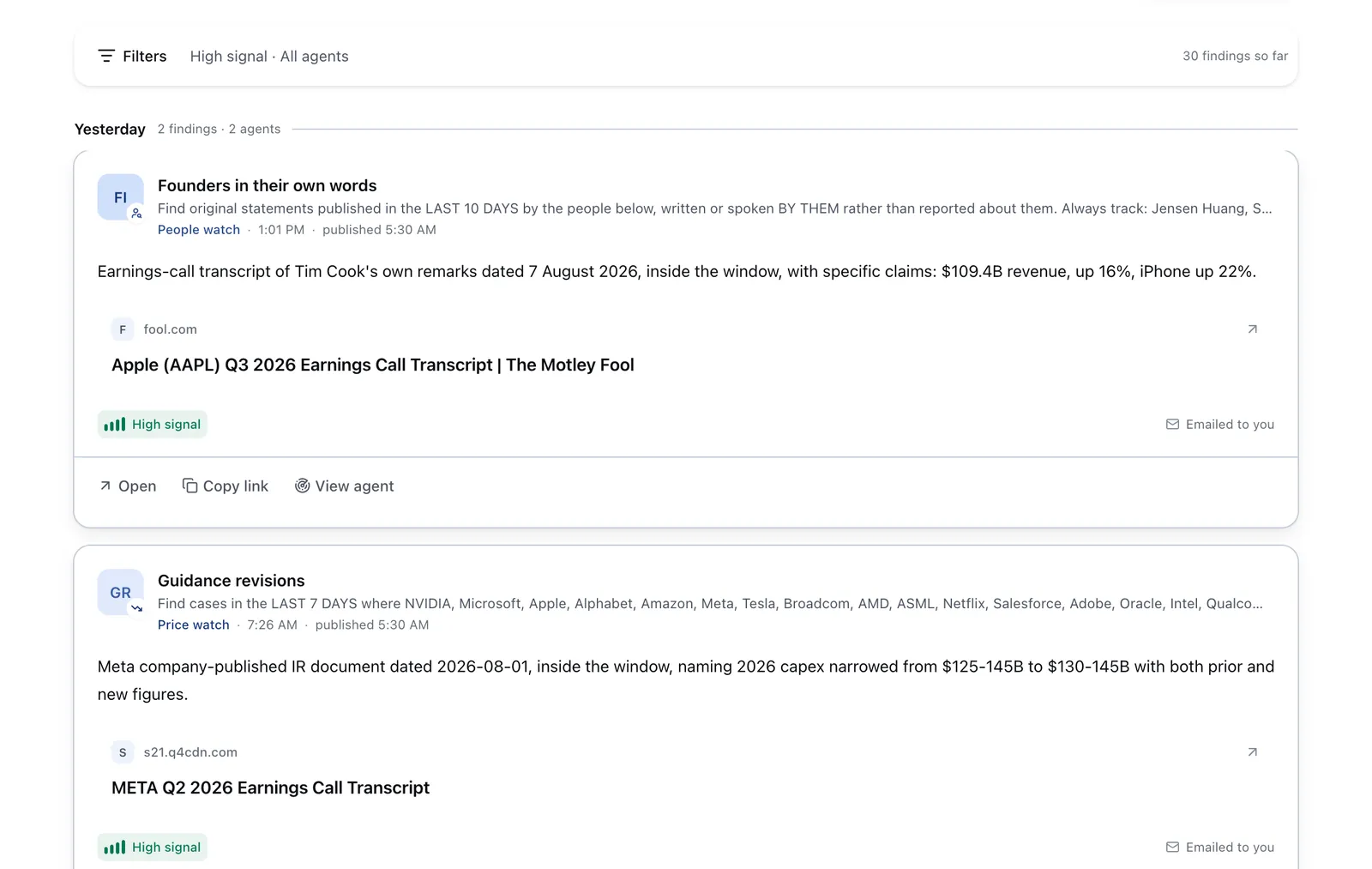
Run it on Parlel
Publish a new-grad profile with graduation date, stack, and project links so matching roles surface while campus season runs.
profile.headline: new grad software engineer | [stack]
profile.skills: [languages, frameworks you can defend]
profile.links: github, portfolio
digest: junior / new grad engineering roles, posted last 14 days
fields: company, role, location, grad_eligibility_note
Digest shape: { company, role, location, matched_skills, verify_grad_window }. Browse /jobs and confirm each posting’s class-year line on the employer page.
Keep reading
Frequently asked questions
Do I need an internship to get a new grad software engineer job?
Many employers prefer internships, but strong projects and clear ownership can still compete, especially at startups. Lack of internship means you need sharper proof elsewhere.
When should I start applying?
Follow each employer’s class-year calendar. Start researching pipelines at least a season before graduation and keep a parallel off-campus track.
Are new grad roles remote?
Some are. Many hub-based companies expect hybrid. Read location lines carefully.
How many applications should I send?
Enough to keep a pipeline without turning into untargeted spam. Prioritize roles where your proof matches the stack and where eligibility is clear.
What if I graduate outside the posting window?
Look for junior roles without a class-year tag, startups, contract-to-hire, and the next cycle. Do not misstate your graduation date.
Where can I compare compensation later?
Public compensation sites and offer communities can provide reference points. Confirm with the employer’s own range and your location policy.