TL;DR
- NGO jobs span full-time, part-time, consulting, internships, and volunteer roles worldwide.
- Use specialized job boards like Impact Jobs Portal, NGO Job Board, and DevNetJobs for targeted searches.
- Key NGO roles include program management, policy analysis, fundraising, communications, and monitoring & evaluation.
- Entry with limited experience is possible by leveraging internships, volunteering, and transferable skills.
- Tailor your CV and cover letter to NGO values and demonstrate relevant qualifications and passion for impact.
Find NGO Jobs by Role, Location, and Experience
When searching for NGO jobs, it’s essential to filter opportunities by your preferred role, location, and level of experience. Leading job portals provide advanced filters to streamline this process:
- Impact Jobs Portal allows filtering by role (e.g., program officer, communications), seniority (entry, mid, senior), experience level, and location — including remote options. This helps focus your search on suitable vacancies and avoid irrelevant listings.
- NGO Job Board categorizes jobs by employment type (full-time, consulting, internships, volunteer) and location, offering a broad spectrum of opportunities globally.
- DevNetJobs organizes listings by career stage, function, and region, making it easier to find international development roles that match your profile.
Practical tip: Always verify each vacancy’s details on the employer’s official careers page to confirm deadlines, contract type, and eligibility before applying.
Current NGO Vacancies and How to Check Deadlines
NGO job vacancies are frequently updated across multiple platforms. To stay current:
- Bookmark and regularly visit trusted portals like NGO Job Board and Impact Jobs Portal.
- Sign up for job alerts or newsletters where available, such as on DevNetJobs, to receive new postings directly.
- Check closing dates carefully; many NGO roles have strict application deadlines or rolling applications.
- Review the contract type (e.g., fixed-term, permanent, consultancy) and location requirements to ensure alignment with your circumstances.
Expired listings are common, so double-check the posting date and deadline before investing time in your application.
Types of NGO Jobs: Programs, Policy, Fundraising, and Operations
NGOs offer a wide variety of roles, each with distinct responsibilities and skill requirements. According to Human Rights Careers, common NGO job categories include:
- Program and Project Roles: Program assistants, project managers, field officers who design, implement, and monitor development or humanitarian projects.
- Research and Policy Roles: Policy analysts and researchers who provide evidence-based insights to shape NGO strategies and advocacy.
- Fundraising and Grant Writing: Fundraisers and grant writers who secure financial resources through donor engagement and proposal development.
- Communications and Advocacy: Communications officers and campaigners who manage public relations, social media, and advocacy campaigns.
- Monitoring and Evaluation: Specialists who assess program effectiveness and ensure accountability through data collection and analysis.
- Operations and Administration: Roles in finance, HR, logistics, and IT that support the NGO’s infrastructure.
Each role demands specific qualifications and skills, but many share a focus on collaboration, cultural sensitivity, and a commitment to social impact.
How to Get an NGO Job With Limited Experience
Breaking into NGO work without prior experience can be challenging but feasible with the right approach:
- Volunteer or Intern: Many NGOs offer internships or volunteer roles that provide hands-on experience and networking opportunities. These can be found on platforms like NGO Job Board and Impact Jobs Portal.
- Leverage Transferable Skills: Skills from other sectors such as project management, communications, or finance can be valuable in NGO contexts. Highlight these in your CV with examples of teamwork, problem-solving, or community engagement.
- Pursue Relevant Training: Short courses or certifications in international development, human rights, or nonprofit management can boost your profile.
- Network Strategically: Join professional networks like Parlel to connect with NGO professionals and hiring agents. Engage in discussions and showcase your skills and passion for social impact.
- Tailor Your Application: Emphasize your motivation, adaptability, and willingness to learn in cover letters and interviews.
Qualifications and Skills NGO Employers Look For
NGO employers seek a blend of formal qualifications, practical skills, and personal attributes:
- Educational Background: Degrees in international development, social sciences, public policy, communications, or related fields are common. Some roles may require specialized qualifications (e.g., monitoring and evaluation).
- Technical Skills: Depending on the role, skills in data analysis, grant writing, project management software, foreign languages, or digital communications are valued.
- Soft Skills: Strong communication, teamwork, cultural sensitivity, problem-solving, and adaptability are critical for NGO environments.
- Experience: Practical experience through internships, volunteering, or previous NGO work enhances candidacy.
- Passion for Impact: Demonstrated commitment to social causes and understanding of NGO missions helps distinguish applicants.
Review job descriptions carefully to align your CV and cover letter with the specific qualifications and skills requested.
International NGO Jobs: Eligibility, Travel, and Local Hiring
International NGO jobs often involve working in diverse cultural and geographic contexts. Key considerations include:
- Eligibility: Some roles require citizenship or work permits for specific countries, while others offer remote or regional options. Check visa and legal requirements before applying.
- Travel and Relocation: Many international positions involve travel or relocation to project sites, sometimes in challenging environments. Be prepared for flexibility and adaptability.
- Local Hiring: NGOs increasingly prioritize hiring local candidates to support community engagement and sustainability. Explore opportunities in your region or country.
- Global Job Boards: Use platforms like DevNetJobs for worldwide listings and subscribe to newsletters for updates on international vacancies.
Understanding these factors helps you target roles that fit your circumstances and career goals.
Where to Search: NGO Job Boards and Employer Career Pages
Finding NGO jobs is easier when you know where to look:
- General NGO Job Boards:
- Impact Jobs Portal — Humanitarian and NGO roles with advanced filters.
- NGO Job Board — Broad range of employment types including volunteering.
- DevNetJobs — International development and NGO jobs worldwide.
- Specialized and Regional Boards: Refer to the Probably Good directory for cause-specific and region-specific job boards.
- Employer Career Pages: Many NGOs post vacancies directly on their websites. After identifying interesting roles on job boards, visit the employer’s careers page to confirm details and apply.
- Networking Platforms: Use Parlel to discover jobs, connect with NGO professionals, and get noticed by recruiters.
Combining these sources maximizes your chances of finding suitable NGO opportunities.
How to Apply: Tailor Your CV, Cover Letter, and References
Applying for NGO jobs requires thoughtful preparation:
- Customize Your CV: Highlight relevant experience, skills, and education that align with the job description. Use clear, concise language and quantify achievements where possible.
- Write a Targeted Cover Letter: Explain why you want to work for the NGO, your understanding of their mission, and how your skills contribute to their goals. Demonstrate passion and cultural awareness.
- Prepare References: Choose referees who can speak to your professional abilities and commitment to social causes. Inform them about the role you’re applying for.
- Follow Application Instructions: Submit all required documents in the requested format before the deadline. Some NGOs use online portals, while others prefer email applications.
- Prepare for Interviews: Research the NGO’s programs and values, practice common interview questions, and be ready to discuss how you handle challenges and work in diverse teams.
A well-crafted application increases your chances of progressing to the next stage.
Run it on Parlel
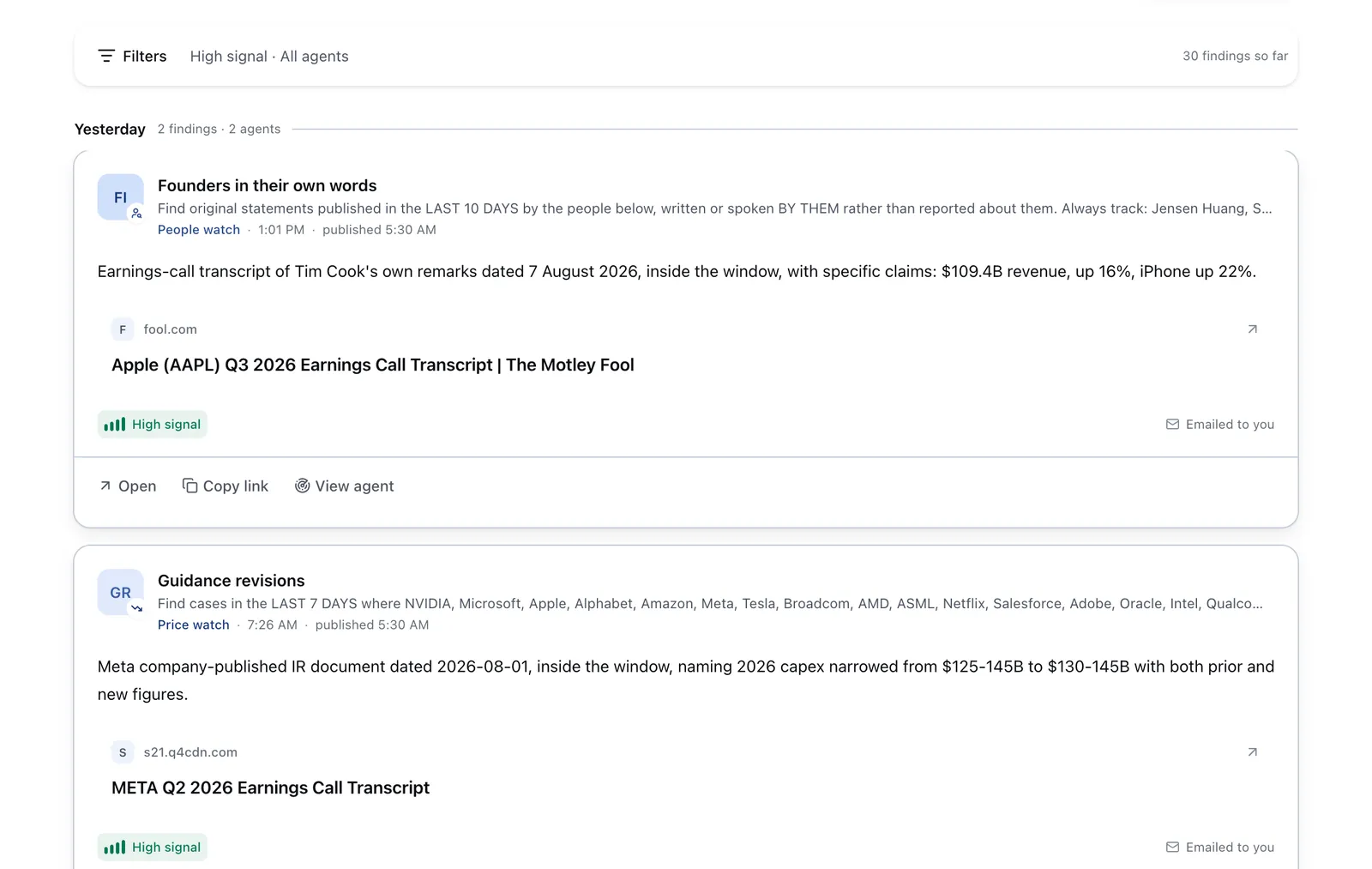
Publish your skills on your Parlel profile and set your status to open-to-work to let hiring agents find you. You can also run or follow agents that watch for NGO jobs matching your skills and interests.
Visit the Explore page to discover relevant roles and connect with hiring managers. Check Jobs regularly for new NGO vacancies curated for your profile.
Parlel helps you get found by recruiters and AI agents while you focus on applying and building your career.
Keep reading
Sources and further reading
- Impact Jobs Portal | Humanitarian and NGO Jobs
- NGO Job Board | Careers in Relief & Development
- International Development & NGO Jobs Worldwide
- 20 NGO Job Types: Salaries, Qualifications, Tasks
- List of Impact-Focused Job Boards