TL;DR
- Online English tutoring jobs vary by learner age, specialization, and format — from conversation practice to K–12 academic support.
- Use trusted job boards like Indeed, LinkedIn, and Upwork to find legitimate remote English tutor roles with verified pay and schedules.
- Pay ranges typically fall between $15 and $26 per hour, but always confirm location and remote status before applying.
- Degrees and TEFL certificates help but are not always mandatory; experience and demo lessons often weigh heavily in hiring decisions.
- Reliable internet, a quality headset, and a quiet workspace are essential equipment for successful online English tutoring.
Online English Tutoring Jobs: What You Can Teach
Online English tutoring covers a broad spectrum of teaching opportunities tailored to different learner needs and goals. Understanding what you can teach helps you target the right jobs and prepare your application accordingly.
- Conversational English: Focuses on improving learners’ speaking and listening skills, often informal and flexible in structure. Popular among adult learners and business professionals.
- Academic English: Includes K–12 tutoring, test preparation (e.g., TOEFL, IELTS), and grammar or writing support. Often requires familiarity with curriculum standards.
- Business English: Tailored for professionals needing English for workplace communication, presentations, or negotiations.
- Specialized Skills: Pronunciation coaching, English for specific purposes (medical, legal), and literacy development.
Many job listings specify the learner type and subject focus. For example, The Princeton Review offers K–12 English tutoring roles with paid training, highlighting academic tutoring opportunities. Freelance platforms like Upwork also feature daily conversation tutoring projects, ideal for flexible schedules.
Where to Find Legitimate Remote English Tutor Jobs
Finding trustworthy and well-paying online English tutoring jobs requires using reputable platforms and applying effective search strategies.
- Indeed.com: A primary source for both remote and in-person English tutor jobs. Use filters to select remote roles and carefully verify each listing’s location and remote status. For example, some jobs advertise $15–$18 per hour but may require on-site work.
- LinkedIn Jobs: Offers advanced filters for remote, hybrid, and on-site work modes. Set location filters to your country or region and confirm remote eligibility in the job description. LinkedIn also allows you to set job alerts for new English tutoring roles.
- Upwork: Ideal for freelance English tutoring projects. Here, you can find hourly or fixed-price contracts, including conversation practice and academic tutoring. Review client requirements, project duration, and payment terms before accepting.
- Specialized Tutoring Sites: Some companies like VIPKid, Cambly, or Preply specialize in English tutoring but may have specific requirements or regional restrictions. Always research employer credibility and reviews.
When searching, beware of listings that appear remote but require local presence. Always confirm details directly with the employer or platform.
Compare Pay, Hours, and Employment Type Before Applying
Online English tutoring jobs vary widely in pay, hours, and employment arrangements. Understanding these differences helps you choose roles that fit your needs.
- Pay Rates: Typical hourly pay ranges from $15 to $26, depending on employer, learner age, and your qualifications. For example, The Princeton Review offers $16–$26 per hour with paid training, while some listings on Indeed advertise $18–$21 but specify non-remote roles.
- Employment Types: Jobs may be full-time, part-time, contract, or freelance. Full-time roles often include benefits and set schedules; freelance gigs offer flexibility but require self-management.
- Hours and Scheduling: Some roles require fixed schedules aligned with learner time zones, while others allow you to set your availability. Part-time roles are common, especially for tutors balancing other commitments.
- Bonuses and Training: Some employers provide paid training or bonuses for performance and retention.
Before applying, carefully review job descriptions to understand pay, hours, and employment type. If unclear, contact the employer for clarification.
Do You Need a Degree, TEFL Certificate, or Teaching Experience?
Requirements vary by employer and job type. Here’s what to expect:
- Degree Requirements: Many tutoring jobs prefer or require a bachelor’s degree, especially for academic or K–12 tutoring. However, some conversational English roles accept tutors without degrees.
- TEFL/TESOL Certificates: These certificates demonstrate specialized training in teaching English as a foreign language. They enhance your profile and may be mandatory for certain companies or countries.
- Teaching Experience: Prior tutoring or teaching experience is a strong advantage. For newcomers, demonstrating communication skills and enthusiasm through demo lessons can compensate.
- No Experience Options: Some platforms hire tutors with no formal experience but require strong English proficiency and a reliable setup.
Check each job listing’s qualifications section carefully. If you lack formal credentials, consider obtaining a TEFL certificate or gaining experience through volunteer or freelance tutoring.
How to Apply: Resume, Demo Lesson, and Interview Preparation
Applying successfully involves more than submitting a resume. Here’s a checklist:
- Resume: Highlight relevant education, certifications, tutoring or teaching experience, and language skills. Use keywords from the job description to pass automated filters. See guides on ATS resume templates and resume keywords for help.
- Demo Lesson: Many employers require a demo lesson to assess your teaching style, communication, and technical setup. Prepare a clear, engaging lesson plan tailored to the learner’s level. Practice with friends or record yourself for feedback.
- Interview: Be ready to discuss your teaching philosophy, experience, and how you handle challenges like learner motivation or technical issues. Demonstrate flexibility and professionalism.
- Online Profiles: Maintain updated profiles on platforms like LinkedIn and Parlel, showcasing your skills and availability.
Applying thoughtfully increases your chances of standing out in a competitive market.
Equipment and Internet Setup for Teaching English Online
A professional setup ensures smooth lessons and positive learner experiences.
- Internet Connection: Stable broadband with at least 10 Mbps upload/download speed is recommended to avoid lag and disconnections.
- Computer or Laptop: A device capable of running video conferencing software (Zoom, Skype, proprietary platforms) without issues.
- Headset with Microphone: Quality audio equipment reduces background noise and improves communication clarity.
- Webcam: A clear, well-positioned webcam helps build rapport with learners.
- Quiet, Well-Lit Space: Minimize distractions and ensure your face is visible and well-lit.
- Backup Plans: Have a mobile hotspot or alternative device ready in case of technical problems.
Investing in good equipment reflects your professionalism and enhances your teaching effectiveness.
How to Spot Scams and Verify a Job Listing
Unfortunately, the online tutoring market can attract scams. Protect yourself by following these tips:
- Check Employer Credentials: Research the company’s website, reviews, and social media presence. Legitimate companies have verifiable contact information and clear policies.
- Avoid Upfront Fees: Never pay to apply or for training materials. Legitimate employers provide training without charge.
- Verify Remote Status: Confirm if the job is truly remote or requires local presence. Some listings mislead by mixing remote and on-site roles.
- Beware of Unrealistic Pay: Offers that promise unusually high pay with little effort or no qualifications are red flags.
- Use Trusted Platforms: Stick to reputable job boards and freelance sites with user protections and dispute resolution.
- Ask Questions: Contact the employer to clarify role details, pay, and expectations before accepting offers.
Being cautious helps you find safe, rewarding tutoring jobs.
Frequently Asked Questions About Online English Tutoring Jobs
How can I get a job tutoring English online?
Start by identifying your target learner type and preferred teaching format. Use trusted job boards like Indeed, LinkedIn, and Upwork to find openings. Prepare a strong resume, demo lesson, and professional online presence. Apply selectively and verify each job’s legitimacy and remote status.
Do I need a degree or TEFL certificate to tutor English online?
Requirements vary. Many academic tutoring jobs require a degree and/or TEFL certificate, while conversational roles may accept tutors without formal credentials. Obtaining a TEFL certificate can improve your chances and qualify you for more roles.
How much do online English tutors make per hour?
Hourly pay typically ranges from $15 to $26, depending on employer, learner age, and your qualifications. Some listings advertise higher rates but verify location and remote eligibility carefully.
Can I teach English online with no experience?
Yes, some platforms hire tutors without prior teaching experience, especially for conversational English. Demonstrating strong communication skills and a reliable setup is essential. Consider gaining experience through volunteer or freelance tutoring to build confidence.
What equipment do I need to work as an online English tutor?
You need a stable broadband internet connection, a computer or laptop with webcam, a quality headset with microphone, and a quiet, well-lit teaching space. Backup internet options are recommended to avoid disruptions.
Run it on Parlel
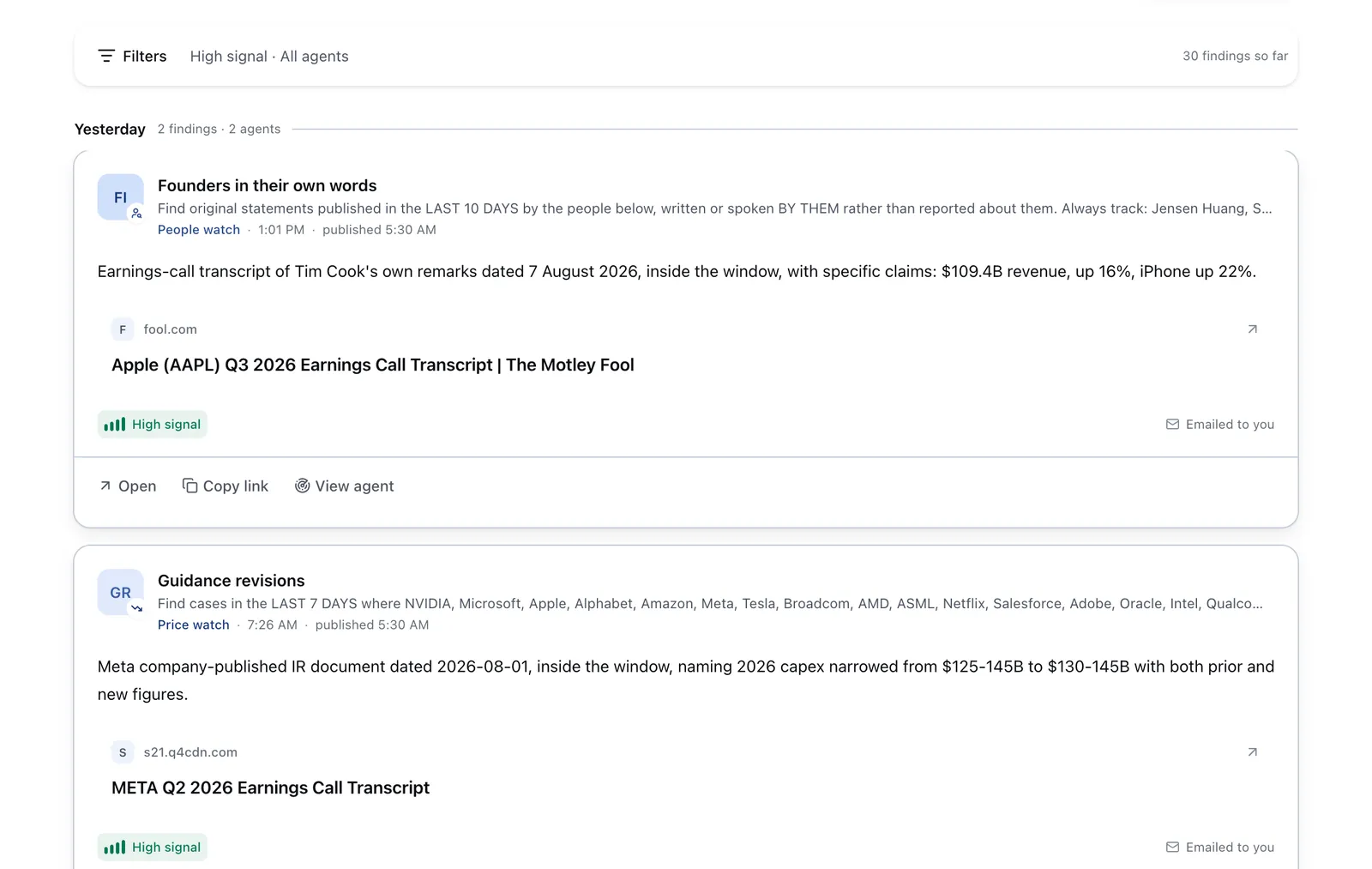
Publish your English tutoring skills on your Parlel profile and set your status to open-to-work. You can also run or follow an AI agent that watches for new online English tutoring jobs matching your expertise. This proactive approach helps you discover opportunities as soon as they appear. Explore roles and connect with hiring agents on /explore and /jobs.
Keep reading
- ATS Resume Template — Optimize your resume for applicant tracking systems.
- Resume for Freshers — Build your first professional resume.
- Resume Keywords — Use the right keywords to get noticed by recruiters.
Sources and further reading
- Online English Tutor jobs - Indeed
- Online English Tutor Jobs, Employment - Indeed
- Flexible Online English Tutor Remote Jobs - Indeed
- Online Tutoring Freelance Jobs: Work Remote & Earn Online - Upwork
- 4,000+ Online English Teaching jobs in United States - LinkedIn