TL;DR
- Plumber jobs vary widely: residential, commercial, service, and facilities roles each have unique demands and pay.
- Licensing and certifications are often required; apprenticeships provide entry paths for beginners.
- Pay ranges from about $25–$35/hour for journeymen to $85,000–$125,000/year for licensed master plumbers (illustrative).
- Job boards like Indeed and LinkedIn offer extensive listings filtered by location, specialty, and experience.
- Use Parlel to publish your skills, set open-to-work status, and let hiring agents find you matching plumber roles.
Plumber Jobs Hiring Now: Search by Location and Specialty
When searching for plumber jobs, location and specialty matter significantly. Listings on platforms like Indeed and LinkedIn show a wide variety of openings across the United States. You can filter by city, state, or region to find opportunities near you.
Specialty filters help you target roles such as:
- Residential service plumbing
- Commercial plumbing and remodeling
- Installation and pipefitting
- Facilities maintenance in institutions like universities and hospitals
Since some roles require specific licenses or certifications, always check the job description carefully. For example, some listings specify an active state license, such as a Michigan Master Plumber license.
Types of Plumber Jobs: Residential, Commercial, Service, and Facilities
Plumber jobs fall into several categories, each with distinct work environments and responsibilities:
- Residential Plumbing: Service calls, repairs, and installations in homes and small buildings. Often involves customer interaction and troubleshooting.
- Commercial Plumbing: Larger-scale projects in office buildings, retail spaces, and industrial facilities. May involve new construction or renovations.
- Service Plumbing: Emergency repairs and maintenance, often requiring on-call availability.
- Facilities Plumbing: Working for institutions like schools, hospitals, or municipalities, maintaining plumbing systems on-site.
Job titles may vary, so searching broadly for “plumber” alone can miss opportunities. Look also for “pipefitter,” “installer,” or “maintenance plumber” roles.
Plumber Pay, Benefits, Schedules, and On-Call Expectations
Pay for plumbers varies by role, experience, and location. According to current job postings on Indeed:
- Journeyman plumbers typically earn $25–$35 per hour.
- Licensed master plumbers can earn between $85,000 and $125,000 annually.
Benefits often include health insurance, retirement plans or 401(k) matching, paid time off, company vehicles, tools, and paid training. These vary by employer and should be confirmed in each posting.
Schedules can range from standard business hours to shift work with on-call duties, especially in service and emergency repair roles.
Apprentice, Journeyman, and Master Plumber: Roles and Requirements
The plumbing profession has a clear hierarchy based on experience and licensing:
- Apprentice Plumber: Entry-level, learning the trade under supervision. Usually requires enrollment in an apprenticeship program.
- Journeyman Plumber: Fully trained plumber who has completed an apprenticeship and passed licensing exams. Can work independently.
- Master Plumber: Highly experienced and licensed plumber who may run their own business, supervise others, and design plumbing systems.
Each level has different requirements and responsibilities. Apprenticeships are a common path into the trade, especially for those with no prior experience.
How to Find Entry-Level Plumber Jobs and Apprenticeships
If you’re starting with no experience, look for:
- Apprenticeship programs offered by unions, trade schools, or employers.
- Entry-level roles labeled as “apprentice plumber” or “helper.”
- Job boards with filters for experience level, such as LinkedIn’s entry-level search.
Networking with local trade unions, attending job fairs, and contacting plumbing contractors directly can also uncover hidden opportunities.
Licenses, Certifications, and Skills Employers Commonly Require
Most plumber jobs require knowledge of plumbing codes and safe work practices specific to the state and locality. Common requirements include:
- State or municipal plumbing license (journeyman or master level)
- Completion of an apprenticeship program
- Familiarity with plumbing tools and materials
- Ability to read blueprints and technical drawings
- Strong problem-solving and customer service skills
Check each job posting carefully for specific license requirements. For example, some listings require an active state license, such as a Michigan Master Plumber license.
How to Apply: Resume Tips and Questions to Ask Employers
When applying for plumber jobs:
- Highlight relevant licenses, certifications, and apprenticeship completion.
- Include specific skills like code compliance, pipe installation, and repair experience.
- Use keywords from the job description to pass applicant tracking systems (ATS).
- Ask employers about on-call expectations, tools and vehicle provisions, and benefits.
- Clarify the work schedule and any travel requirements.
For help crafting your resume, see our related guides on ATS resume templates, resume for freshers, and resume keywords.
Where to Find Plumber Jobs Beyond General Job Boards
Besides Indeed and LinkedIn, consider these sources:
- Union websites: Many unions post apprenticeship and journeyman openings.
- Trade schools and vocational programs: Often have job placement assistance.
- Company websites: Plumbing contractors sometimes list openings not found on public boards.
- Local government and institutional job boards: Universities, hospitals, and municipalities frequently hire facilities plumbers.
Using multiple sources increases your chances of finding the right fit.
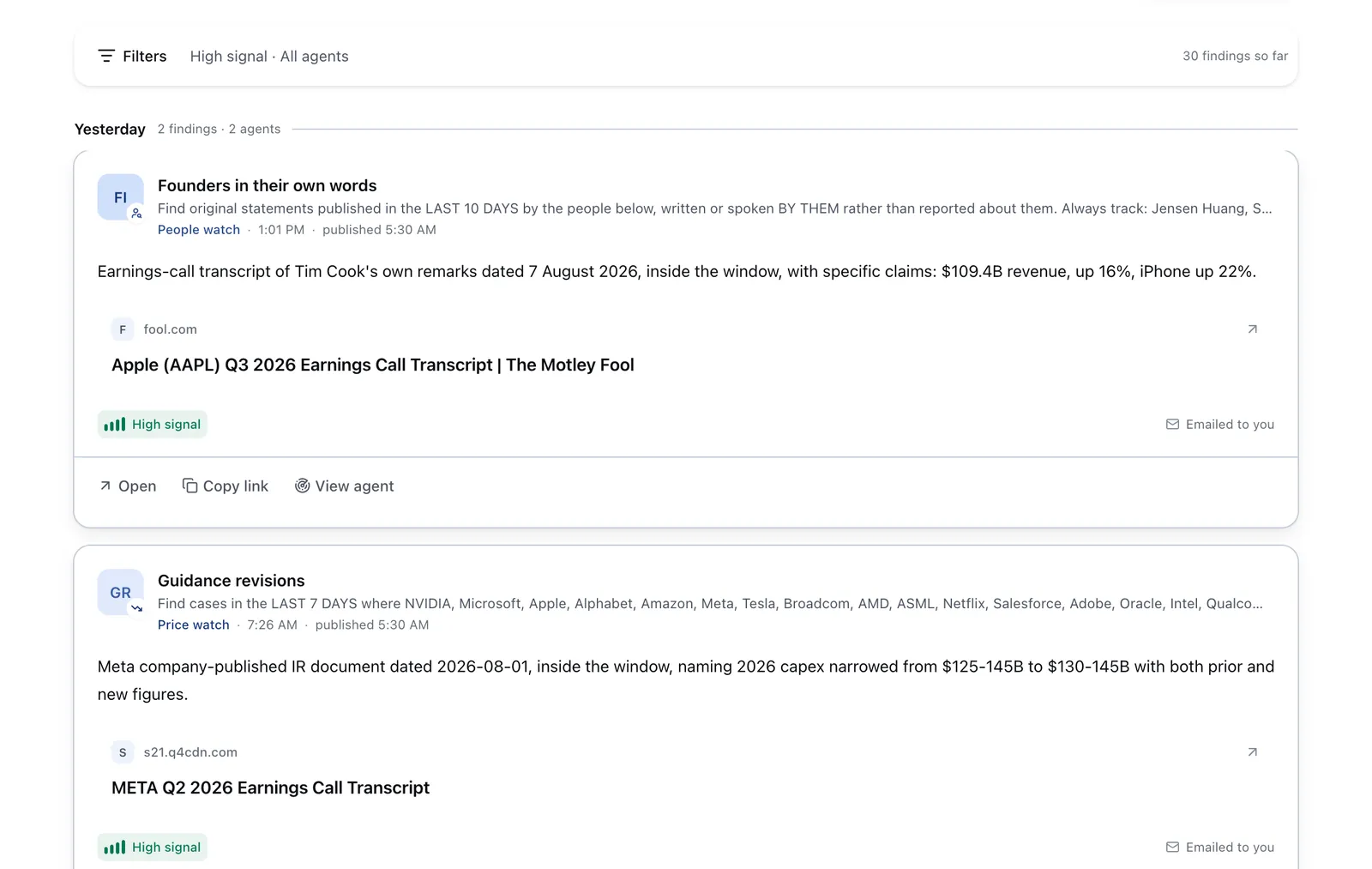
Run it on Parlel
Publish your plumbing skills on your Parlel profile and set your status to open-to-work. Parlel’s AI-powered agents continuously search for roles matching your skills and notify you of relevant opportunities. You can also follow agents that watch plumber jobs by location, specialty, or experience level.
Explore current openings and agents at /explore and browse plumber jobs at /jobs.
Keep reading
Frequently Asked Questions
How do I get a job as a plumber with no experience?
Start by applying for apprenticeships or entry-level helper roles. Enroll in trade school or vocational training if possible, and network with local unions or contractors. Building foundational skills and gaining on-the-job training is key.
What qualifications do you need to become a plumber?
Typically, you need to complete an apprenticeship program, pass state licensing exams, and have knowledge of plumbing codes and safety. Requirements vary by state and job level (apprentice, journeyman, master).
How much do plumbers make per hour?
Journeyman plumbers generally earn between $25 and $35 per hour, while master plumbers can earn $85,000 to $125,000 annually, depending on location and experience (illustrative figures from job listings).
Are plumber jobs in demand?
Yes, demand remains strong due to ongoing construction, maintenance needs, and infrastructure upgrades. Skilled plumbers with licenses are especially sought after.
What is the difference between an apprentice, journeyman, and master plumber?
- Apprentice: Learning the trade under supervision.
- Journeyman: Fully trained and licensed to work independently.
- Master: Experienced professional who may supervise others and run a business.
Sources and further reading
- Plumbers jobs - Indeed
- Plumbing Jobs, Employment - Indeed
- Plumber jobs in United States - LinkedIn
- Plumbers Plumber jobs in United States - LinkedIn
- Plumbing Jobs, Employment - Indeed