TL;DR
- Pramp is a peer-to-peer mock interview platform where participants alternate roles as interviewer and interviewee.
- As of mid-2024, new Pramp sessions are hosted on the Exponent Practice platform.
- Typical sessions last about 60 minutes, with a role swap halfway, and cover coding, behavioral, and other technical interviews.
- Pramp supports 12 programming languages and matches users based on experience, availability, and goals.
- While free and collaborative, Pramp’s peer feedback can vary; alternatives may better suit specific interview prep needs.
What Is Pramp? A Quick Overview of Its Peer Mock Interviews
Pramp is a unique online platform designed to help job seekers prepare for technical and behavioral interviews through peer-to-peer mock interviews. Unlike traditional coaching or paid services, Pramp matches you with another candidate preparing for similar roles. Both participants take turns acting as the interviewer and interviewee, creating a reciprocal learning environment.
This approach provides a realistic interview experience, helping candidates improve their problem-solving, communication, and technical skills in a collaborative setting. Pramp covers a range of interview types, primarily focusing on coding and technical questions but also including behavioral and system design topics.
The peer-driven model means you not only practice answering questions but also develop interviewing skills by posing questions yourself. This dual role can deepen your understanding of what interviewers look for and improve your confidence.
Is Pramp Still Active—and Where Do You Book a Session?
As of July 2024, Pramp’s official homepage confirms that new mock interview sessions are now hosted on the Exponent Practice platform. This transition means that while the original Pramp branding remains familiar, the actual scheduling, hosting, and matching of interviews occur through Exponent’s infrastructure.
You can still access Pramp’s free peer mock interviews by visiting their homepage and signing up. The platform guides you through creating a profile, selecting your practice goals, and scheduling sessions with matched peers.
Sessions take place entirely online via integrated video and code editors, allowing for seamless interaction regardless of location. This setup replicates real interview environments, including live coding and problem-solving.
How a Pramp Mock Interview Works, Step by Step
-
Sign Up and Create Your Profile
Register on the Pramp/Exponent platform and specify your interview goals, preferred programming languages, and availability. -
Get Matched with a Peer
The system matches you with another candidate based on criteria such as experience level, education, practice goals, and language preferences. -
Join the Scheduled Session
At the appointed time, join the online interview room featuring video chat and a shared code editor. -
Interview Role 1: Interviewee
One participant acts as the interviewee and attempts to solve a coding or technical problem presented by the platform. -
Role Swap
After roughly 30–40 minutes, participants swap roles. The former interviewer becomes the interviewee, and vice versa. -
Interview Role 2: Interviewee
The second participant now attempts a different problem or question. -
Peer Feedback
After both rounds, participants provide constructive feedback on communication, problem-solving approach, and technical accuracy. -
Session Ends Automatically
Sessions typically last about 60 minutes, with a maximum duration of around two hours if needed.
This structured approach ensures balanced practice and mutual learning. The platform provides curated questions and guidelines to keep the sessions focused and productive.
What Interview Types, Questions, and Programming Languages Are Supported?
Pramp supports a variety of interview formats tailored to common tech industry hiring processes:
- Coding Interviews: Algorithmic problems, data structures, and coding challenges.
- Behavioral Interviews: Questions about teamwork, leadership, conflict resolution, and career goals.
- System Design: High-level architecture and design problem discussions.
- Other Technical Topics: Depending on your goals, you may find practice for database, frontend, or backend questions.
The platform officially supports 12 programming languages for coding practice:
- Java
- C++
- Python
- JavaScript
- C
- C#
- Swift
- Ruby
- PHP
- Go
- Clojure
- Haskell
This broad language support allows candidates to prepare in the language most relevant to their target job.
Questions vary in difficulty and are selected to simulate real interview scenarios. The platform updates its question bank regularly to reflect current industry trends.
How Matching, Scheduling, and Peer Feedback Work
Pramp’s matching algorithm considers multiple factors to create effective peer pairs:
- Availability: Matching participants with overlapping free times.
- Experience Level: Pairing candidates with similar backgrounds to ensure balanced sessions.
- Education and Practice Goals: Aligning interview topics and difficulty with participants’ objectives.
- Preferred Programming Languages: Ensuring both participants can code in the same language.
Scheduling is flexible, allowing you to book sessions at convenient times. Once matched, you receive notifications and reminders.
Peer feedback is an integral part of the process. After each round, participants exchange insights on:
- Problem-solving approach
- Communication clarity
- Coding style and correctness
- Interview demeanor and professionalism
While feedback quality depends on the peer’s experience and effort, it often provides valuable perspectives not easily gained from solo practice.
Pramp Pros and Cons: What Peer Practice Can and Cannot Do
Pros:
- Free Access: No cost to use the platform, making it accessible to all candidates.
- Reciprocal Learning: Acting as both interviewer and interviewee deepens understanding.
- Realistic Environment: Live video and coding simulate actual interviews.
- Flexible Scheduling: Book sessions when convenient.
- Broad Language Support: Covers many popular programming languages.
Cons:
- Variable Feedback Quality: Peers may have differing skill levels and feedback styles.
- Limited Professional Coaching: No expert interviewer guidance or personalized mentoring.
- Scheduling Dependence: Finding the right peer and time can sometimes be challenging.
- Platform Transition: The move to Exponent Practice may confuse returning users.
Pramp is best suited for candidates who want free, frequent practice and are comfortable learning collaboratively. Those seeking targeted coaching or guaranteed expert feedback might consider paid alternatives.
How to Get More Value From a Pramp Mock Interview
- Prepare Beforehand: Review common interview questions and practice coding problems independently.
- Set Clear Goals: Define what skills or topics you want to improve in each session.
- Take Notes: Record feedback and areas for improvement after each interview.
- Practice Role Switching: Use the interviewer role to understand question framing and evaluation criteria.
- Combine With Other Resources: Use Pramp alongside other guides like our ATS Resume Template or Resume Keywords to strengthen your overall job search.
- Stay Consistent: Regular practice helps build confidence and reduces interview anxiety.
Pramp Alternatives: Which Option Fits Your Interview Goals?
If you find Pramp’s peer model limiting or want more specialized preparation, consider these alternatives:
- Exponent: Offers expert-led mock interviews and courses, ideal for targeted coaching.
- Interviewing.io: Anonymous technical mock interviews with engineers from top companies.
- LeetCode Mock Interviews: Practice timed coding interviews with curated problems.
- Gainlo: Paid mock interviews with real interviewers from tech companies.
- Pramp’s New Platform (Exponent Practice): Enhanced features and professional content.
Choosing the right platform depends on your budget, preferred interview type, and desired feedback quality. For free, frequent practice, Pramp remains a solid choice. For expert guidance, paid platforms may offer better ROI.
Run it on Parlel
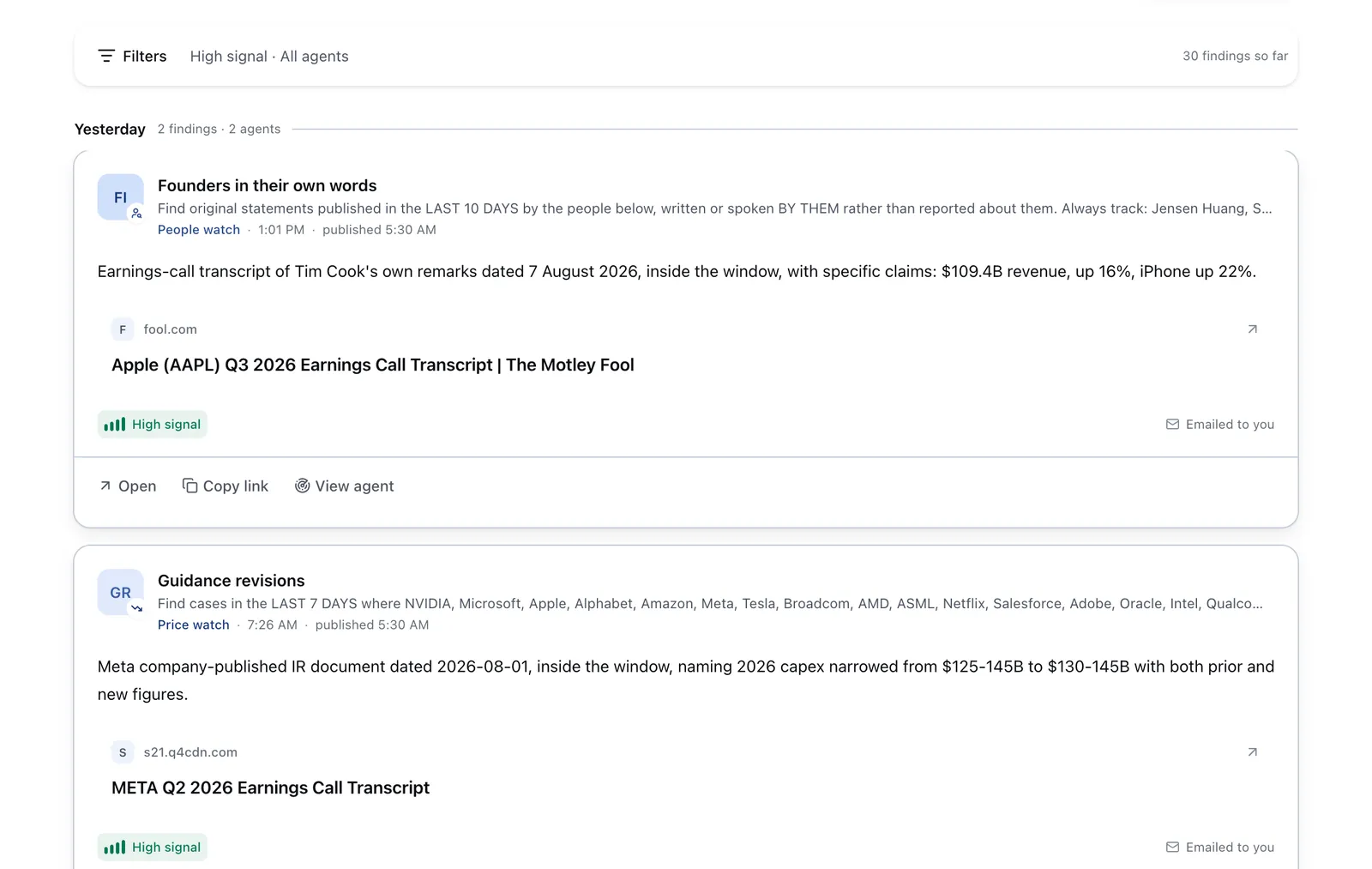
To maximize your interview preparation and job search, publish your interview and coding skills on your Parlel profile. Set your status to open-to-work so hiring agents and recruiters can find you based on your expertise.
You can also run or follow agents on Parlel who watch for roles matching skills like those practiced on Pramp mock interviews. This proactive approach helps you discover relevant job opportunities without constant searching.
Explore available roles and agents here: /explore and /jobs.
Keep reading
- ATS Resume Template: How to Pass Automated Screening
- Resume for Freshers: Crafting Your First Job-Winning CV
- Resume Keywords: Boost Your Profile’s Searchability
Sources and further reading
- Practice Mock Interviews & Coding Problems - Land Top Jobs ...
- FAQ for our Free Online Mock Interviews & Coding Problems - Pramp
- What Is Pramp? Peer Mock Interview Platform
- 12 Best Mock Interview Platforms in 2026 (Tested and Compared)
- 7 Best Pramp Alternatives in 2026 (Ranked by Use Case)