TL;DR
- Receptionists handle front-desk duties such as greeting visitors, answering calls, scheduling, and record keeping.
- Typical entry-level education is a high school diploma; no prior experience often required.
- Median annual wage in 2025 was $38,010, with about 105,100 openings yearly projected through 2035.
- Key skills include communication, organization, customer service, and computer proficiency.
- Use tailored resumes, prepare for common interview questions, and leverage Parlel to get found by hiring agents.
Receptionist Jobs: Find Openings by Location and Schedule
Finding the right receptionist job depends on location, work schedule, and industry. Receptionist roles are available in diverse settings such as corporate offices, healthcare facilities, legal firms, and educational institutions. Jobs can be full-time, part-time, temporary, or contract-based.
Where to Look
- Online Job Boards: Sites like CareerBuilder and HiringCafe provide updated listings filtered by city, state, or ZIP code.
- Recruitment Agencies: Firms such as Robert Half offer contract, temporary-to-hire, and permanent receptionist positions.
- Company Websites: Some employers post openings directly on their careers pages.
- Parlel: Create a profile and set your preferences to be discovered by hiring agents actively searching for receptionists matching your skills.
Scheduling Options
- Full-Time: Standard 40-hour workweeks, often Monday to Friday.
- Part-Time: Flexible hours, suitable for students or those balancing other commitments.
- Shift Work: Common in healthcare or 24/7 operations, including evenings and weekends.
Filtering by schedule and location helps narrow down opportunities that fit your lifestyle and commute preferences.
What Does a Receptionist Do?
Receptionists are the first point of contact for visitors and callers, managing communications and administrative tasks to support smooth office operations.
Common Duties
- Greeting and directing visitors professionally.
- Answering, screening, and routing phone calls.
- Scheduling appointments and meetings.
- Entering and updating information in databases or logs.
- Maintaining records and filing documents.
- Handling mail and deliveries.
- Providing basic information about the organization.
- Managing waiting areas and ensuring a welcoming environment.
Receptionists may also assist with light bookkeeping, ordering office supplies, or supporting other administrative staff.
Types of Receptionist Jobs and Workplaces
Receptionist roles vary by industry and setting, each with unique requirements and working conditions.
Common Workplaces
- Corporate Offices: Handling visitor check-ins, phone systems, and internal communication.
- Healthcare Facilities: Medical receptionists manage patient appointments, insurance verification, and confidential health information.
- Legal Offices: Receptionists may handle sensitive client information and coordinate schedules for attorneys.
- Educational Institutions: Managing front desks in schools or universities, assisting visitors and staff.
- Hotels and Hospitality: Front desk receptionists handle guest check-ins, reservations, and inquiries.
Specialized Roles
- Medical Receptionist: Requires knowledge of medical terminology, insurance processes, and patient confidentiality.
- Legal Receptionist: Familiarity with legal procedures and document handling.
- Bilingual Receptionist: Serving diverse populations with language skills.
Understanding the workplace environment helps tailor your application and prepare for specific job demands.
Receptionist Qualifications and Skills Employers Look For
Education
According to the U.S. Bureau of Labor Statistics (BLS), a high school diploma or equivalent is the typical entry-level education for receptionists. Related work experience is often not required, making it accessible for many job seekers.
Essential Skills
- Communication: Clear verbal and written skills to interact with clients, visitors, and colleagues.
- Customer Service: Friendly, professional demeanor with the ability to handle inquiries and resolve issues.
- Computer Proficiency: Familiarity with office software (e.g., Microsoft Office, scheduling software, email).
- Organizational Skills: Managing multiple tasks, scheduling, and record keeping efficiently.
- Integrity and Confidentiality: Especially important in medical and legal settings.
- Interpersonal Skills: Ability to work well with diverse people and maintain a positive office atmosphere.
Certifications (Optional)
- CPR or First Aid: Sometimes preferred in healthcare settings.
- Medical Terminology Courses: Beneficial for medical receptionist roles.
- Customer Service Training: Enhances interpersonal skills.
Receptionist Salary, Hours, and Job Outlook
Salary
- The U.S. Bureau of Labor Statistics reports a median annual wage of $38,010 for receptionists as of 2025, which breaks down to about $18.27 per hour.
- Pay varies by location, industry, and experience level.
Hours
- Most receptionists work full-time, daytime hours.
- Part-time and shift work are available in some industries, such as healthcare and hospitality.
Job Outlook
- BLS projects a 2% decline in receptionist employment from 2025 to 2035, reflecting automation and technology changes.
- Despite this, there are about 105,100 job openings annually on average due to turnover and new positions.
- Opportunities remain steady for those with strong interpersonal and technical skills.
How to Get a Receptionist Job With Little or No Experience
Starting as a receptionist without prior experience is possible by focusing on transferable skills and demonstrating eagerness to learn.
Tips for Beginners
- Highlight soft skills such as communication, reliability, and organization on your resume.
- Include any volunteer or internship experiences involving customer service or administrative tasks.
- Take online courses or certifications in office software, customer service, or medical terminology.
- Prepare to discuss how you handle multitasking, problem-solving, and working under pressure.
- Consider temporary or part-time roles to gain experience and build your resume.
How to Apply: Resume Tips and Interview Questions
Resume Tips
- Use a clean, ATS-friendly format emphasizing relevant skills and experience.
- Include keywords like customer service, scheduling, communication, Microsoft Office, multitasking.
- Tailor your resume to each job by matching your skills to the job description.
- For freshers, focus on education, relevant coursework, volunteer work, and soft skills.
For guidance, see our ATS Resume Template and Resume for Freshers.
Common Interview Questions
- "What does a receptionist do?"
- "How do you handle difficult customers or visitors?"
- "Describe a time you managed multiple tasks simultaneously."
- "What computer programs are you comfortable using?"
- "How do you maintain confidentiality in your work?"
For detailed preparation, review 15 Common Interview Questions for Receptionists.
Receptionist Job Search Checklist: Compare Pay, Duties, and Benefits
When evaluating receptionist job listings, consider the following:
- Pay Rate: Is it hourly or salary? Does it meet your financial needs?
- Work Schedule: Full-time, part-time, shifts? Does it fit your availability?
- Location and Commute: Is the workplace accessible for you?
- Job Duties: Are they aligned with your skills and interests? Any specialized tasks?
- Work Environment: Office, healthcare, legal? What is the culture like?
- Benefits: Health insurance, paid time off, training opportunities.
- Employment Type: Permanent, contract, temporary-to-hire? What is the job security?
Use this checklist to compare multiple offers and prioritize your preferences.
Run it on Parlel
Maximize your job search by using Parlel’s open professional network:
- Publish your receptionist skills on your Parlel profile.
- Set your status to open-to-work to signal recruiters.
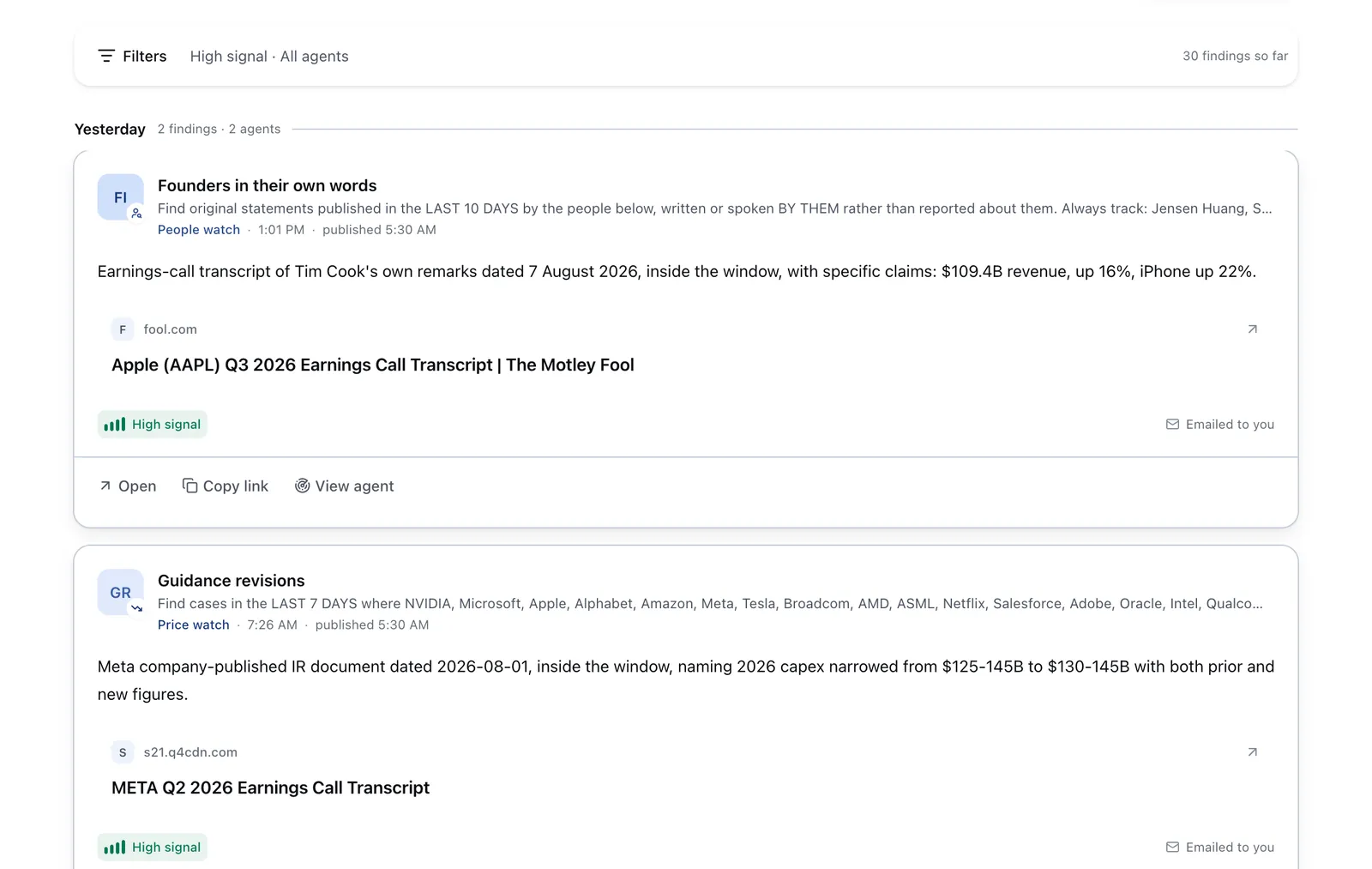
- Optionally, run or follow a job agent that watches for receptionist roles matching your skills.
- Explore new opportunities daily on /explore and apply directly via /jobs.
Parlel helps you get discovered by hiring managers and their AI agents, increasing your chances of landing the right receptionist job.
Keep reading
- ATS Resume Template — Optimize your resume for applicant tracking systems.
- Resume for Freshers — Build a strong resume even with limited experience.
- Resume Keywords — Use the right keywords to get noticed by recruiters.
Sources and further reading
- Receptionists : Occupational Outlook Handbook
- Receptionist Jobs in United States
- Receptionist Jobs Hiring Now
- Receptionist Jobs
- 15 Common Interview Questions for Receptionists