Remote jobs no degree seekers are not imaginary, but they are competitive and scam-heavy. Employers that skip the diploma checkbox still screen for reliability, communication, and proof you can do the work unsupervised. This guide maps realistic role families, how to show skills without a degree, and how to avoid fake “easy remote pay” posts.
This page was reviewed on September 30, 2026.
TL;DR
- Target role families that hire on skills: support, ops, sales development, design, and technical paths with portfolios.
- Replace the degree line with certifications, projects, apprenticeships, or measurable work samples.
- Use curated remote boards and employer career pages; verify every listing.
- Expect competition; treat volume plus tailored proof as the system, not “apply once.”
- Never pay for a job, equipment kit, or training that promises placement.
Reality check (no sugarcoating)
Many remote postings still say “bachelor’s preferred.” Some mean it; some will waive it for strong proof. Reddit-style threads and specialist boards agree on two points: no-degree remote roles exist, and entry-level ones attract huge applicant pools. Your edge is evidence and scam discipline, not optimism alone.
Pair this page with remote entry level jobs and work from home jobs no experience if you are early. For technical paths, use how to become a software engineer as a skill roadmap.
Role families that often hire without a strict degree
| Family | Why degrees are sometimes optional | What you must show |
|---|---|---|
| Customer support / chat / email | Process trainable | Writing, patience, tools, metrics awareness |
| Sales development / inside sales | Performance measurable | Outbound craft, coaching receptiveness |
| Virtual assistance / ops coordination | Portfolio of systems | Organization, tools, confidentiality |
| Design (UI/visual) | Portfolio speaks | Case studies, Figma craft |
| Content / technical writing | Samples | Clarity, research, editing |
| QA / software testing | Practical tests | Bug reports, tool familiarity |
| Help desk / IT support | Certs + labs | Troubleshooting stories |
| Software engineering | Portfolio + interviews | Code, systems thinking |
| Data / analytics juniors | Projects | SQL, clean analysis write-ups |
This is not a promise that every employer in these families will waive degrees. Read each posting.
Skills-first proof stack
Build a one-page proof system:
- Portfolio or work samples linked from the resume
- Tools list you can demo live (Zendesk, HubSpot, Figma, Git, SQL client)
- One measurable outcome from freelance, volunteer, or personal ops work
- Short learning path with certificates only when they map to the job
- References who can speak to reliability
If you lack experience, create ethical practice projects: a mock support macro library, a public writing sample series, a tested GitHub app, or a help-desk home lab write-up.
Where to search (and what to skip)
| Source | Use | Skip when |
|---|---|---|
| FlexJobs / curated remote boards | Lower scam density (paid tools exist) | You cannot verify the employer |
| We Work Remotely / Remote OK | Remote volume | Country eligibility fails |
| Employer career pages | Source of truth | “Degree required” is firm and you cannot meet it |
| Filters + recruiters | Easy Apply spam without tailoring | |
| Wellfound | Startup openness to nontraditional paths | Role seniority is far above your proof |
Specialist “no degree” aggregators can help discovery, but still open the employer site before applying.
Application language when you have no degree
Do not apologize in the summary. Lead with target role and proof:
Remote customer support specialist. Handled [channel] for [context],
improving [outcome]. Comfortable with [tools]. Seeking full-time remote
support roles with documented processes and coaching.
Education section can list:
- High school / GED if relevant to the market
- Bootcamps or certificates with dates
- Relevant coursework without claiming a degree you do not have
Never invent a diploma. Background checks catch it.
Weekly plan for a no-degree remote search
| Day | Action |
|---|---|
| Monday | Board scan with remote + entry filters; cut degree-hard-required roles |
| Tuesday | Build or improve one portfolio artifact |
| Wednesday | Tailor 5 applications with matched keywords you truly have |
| Thursday | Practice screen answers aloud |
| Friday | Follow-ups + scam review of saved leads |
| Weekend | Skill block (SQL, writing, troubleshooting, or demo practice) |
Tracker:
company | role | degree_required_y_n | country_rule
proof_used | source | employer_page | status | notes
Scam patterns that target no-degree seekers
The FTC documents job scams that impersonate employers and chase fees. Extra caution when a posting emphasizes “no degree, no experience, high pay, start tomorrow.”
Red flags:
- Pay for training, certifications, or equipment leases to “get hired”
- Checks to deposit and money to return
- Crypto wallet or gift card tasks
- Recruiters who refuse company email addresses
- Interviews only on consumer chat apps with pressure to decide immediately
Green lights: company domain email, posting on an official careers page, normal interview stages, no payment requests.
Illustrative path (not a guarantee)
Illustrative example: A candidate without a degree builds a support portfolio: sample macros, a short Loom of ticket triage reasoning, and a spreadsheet of practice metrics. They apply to remote support roles that list “degree or equivalent experience,” pass a writing test, and treat the first role as a platform into senior support or operations later. The degree checkbox never disappears everywhere; proof still opens some doors.
When to pursue a degree anyway
If your target employers uniformly require degrees for licensure, immigration, or rigid HR policy, a degree or an alternative credential pathway may be the honest move. Skills-first strategies work best where output is observable.
Writing tests and assessments
Many no-degree remote roles use writing samples, typing tests, scenario judgment tests, or tool sandboxes. Treat them as part of the job:
- Follow instructions literally
- Keep tone calm and specific
- Avoid AI paste that ignores the prompt constraints
- Save your answers so you can reuse structure (not identical text) later
If an assessment asks for unpaid work that looks like production deliverables beyond a short screen, ask about scope and time expectations.
Building experience while you search
Parallel tracks that create proof:
- Freelance micro-gigs with clear deliverables and reviews
- Nonprofit or community ops support with a reference
- Open-source issue triage or docs contributions
- Customer-support practice environments and public write-ups
- Sales role-plays recorded for self-critique
Log outcomes. "Helped a local org answer email for six weeks" becomes a real bullet when you capture volume and tools.
Negotiation without a degree
You can still negotiate start date, equipment stipend, and performance review timing. Compensation leverage grows after you have proof in seat. In early offers, prioritize learning density, documented processes, and managers who coach. Get the remote eligibility and pay frequency in writing.
When "equivalent experience" is real
Postings that say "degree or equivalent experience" sometimes mean it. Equivalent experience is easier to argue when you can point to years in related work, military service, apprenticeships, or a portfolio that mirrors the job's outputs. Prepare a two-minute explanation that connects your path to their requirements without sounding defensive.
Resume section order that helps skills-first candidates
- Contact + portfolio links
- Summary with target role and proof
- Skills (tools you can demo)
- Experience / freelance / relevant work
- Projects
- Education / certificates (honest, short)
Do not hide strong proof below an empty education block.
Phone screen answers without defensiveness
If asked about education: "I do not hold a degree. I have built proof through [projects/work], and I am ready for a practical assessment." Then steer to a concrete example. Confidence without argument works better than a speech about broken hiring systems.
30-day ramp plan after you land a role
Week 1: tools, macros, shadowing. Week 2: supervised tickets or tasks. Week 3: independent volume with review. Week 4: document what you learned and ask for feedback. Showing a ramp plan in interviews signals coachability.
Equipment and workspace baseline
Most legitimate remote employers expect a reliable computer, headset, and internet. They should not require you to buy kits from a third-party seller they nominate. If equipment is provided, get the shipping and return terms in writing. Keep personal and work accounts separated.
Run it on Parlel
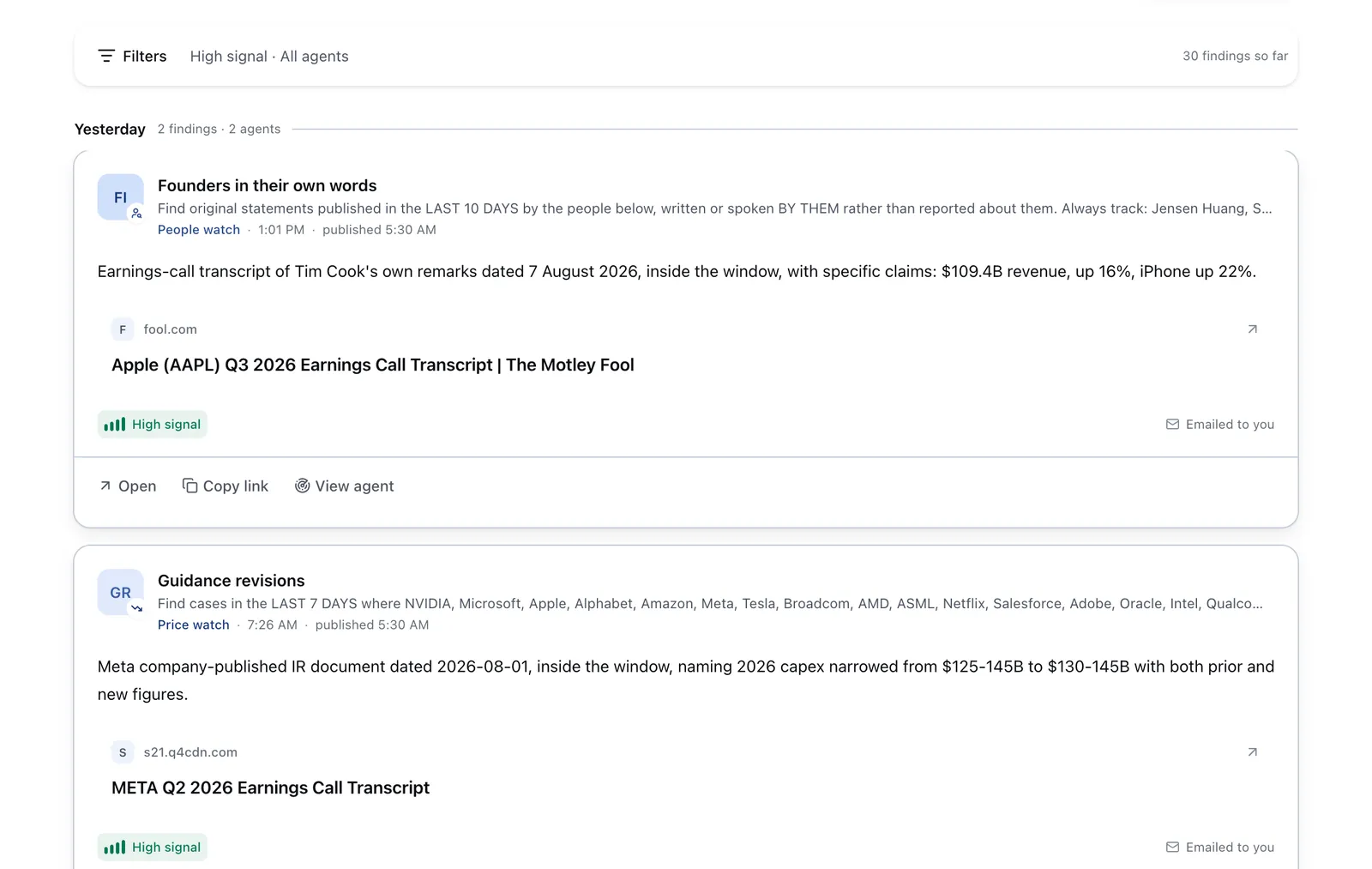
Create a skills-forward profile that makes your proof searchable even without a traditional education line.
profile.headline: remote [role] | skills-first
profile.skills: [tools you can demo]
profile.links: portfolio, github, writing samples
digest: remote entry / junior roles matching skills, posted last 7 days
fields: company, role, location_rule, degree_notes
Digest shape: { company, role, location_rule, matched_skills, verify_employer }. Browse /jobs and confirm degree language on the employer page before investing in long take-homes.
Keep reading
Frequently asked questions
Are there real remote jobs that do not require a degree?
Yes. Many support, sales, ops, design, and some technical roles hire on skills. Competition is high and scams are common.
What remote jobs are realistic with no experience and no degree?
Chat or email support, some VA work, and entry ops roles appear most often. Expect assessments and lower starting pay than senior remote tech roles.
How do I compete with degree holders?
Out-prove them on samples, reliability stories, tool fluency, and interview clarity. Do not compete on prestige language.
Should I hide that I lack a degree?
No. Omit a degree section if empty, but never fabricate education. Address it calmly if asked.
Which certificates help?
Ones tied to the job: Google/IT support-style certs for help desk, HubSpot for sales/service, cloud fundamentals for junior IT, and portfolio projects for builders. Certificates alone rarely replace proof.
How do I avoid scams?
Never pay to get work. Verify employers independently. Use the FTC’s job scam guidance as a baseline.