TL;DR
- Research assistant roles vary widely by field, including academic, clinical, laboratory, and remote opportunities.
- Typical duties include data collection, literature review, participant coordination, and regulatory compliance.
- Most jobs require a bachelor’s degree or equivalent experience; key skills include communication, organization, and technical proficiency.
- Entry-level candidates should focus on internships, volunteering, and tailored resumes to gain experience.
- Use specialized job boards and professional networks like Parlel to find roles and get noticed by hiring agents.
Research Assistant Jobs: Current Openings by Field and Location
Research assistant jobs are available across many sectors, including universities, healthcare systems, private research firms, and government agencies. The variety of roles means you can find opportunities in:
- Academic research: Universities and colleges frequently hire research assistants for social sciences, humanities, and natural sciences projects.
- Clinical research: Hospitals and health systems seek assistants to support clinical trials and patient studies.
- Laboratory research: Science and technology labs need assistants for experiments, data collection, and equipment management.
- Remote research: Some roles allow flexible or fully remote work, especially in data analysis, literature reviews, and survey coordination.
For example, UNC-Chapel Hill recently posted a full-time temporary research assistant position with a $20–$25 hourly pay range, Monday to Friday, 8 a.m. to 5 p.m. Duties included recruiting participants, scheduling visits, and maintaining data quality[^1].
Popular platforms to find current openings include:
- Indeed Research Assistant Jobs — extensive U.S. listings with filters for location and role type.
- LinkedIn Research Assistant Jobs — recent postings with employer insights and related job titles.
- ZipRecruiter Research Assistant Jobs — combines listings with salary and role overviews.
- FlexJobs Remote Research Assistant Jobs — remote and flexible schedule options.
What Does a Research Assistant Do? Duties by Role Type
Research assistant responsibilities differ depending on the field and project but typically include:
- Literature searches and reviews: Gathering and summarizing existing research relevant to the project.
- Data collection and organization: Administering surveys, conducting interviews, or managing lab samples.
- Participant recruitment and coordination: Screening, consenting, and scheduling study participants, especially in clinical research.
- Data entry and quality control: Ensuring accuracy and completeness of collected data.
- Report preparation: Assisting in drafting research findings, presentations, or publications.
- Regulatory compliance support: Maintaining documentation and adhering to ethical standards.
For example, the UNC-Chapel Hill posting described duties such as recruiting participants, scheduling study visits, maintaining records, and supporting regulatory compliance[^2]. Other roles may emphasize technical skills like statistical software use or laboratory techniques.
Research Assistant Qualifications: Degrees, Skills, and Experience
Educational Requirements
Most research assistant jobs require at least a bachelor’s degree or an equivalent combination of training and experience[^3]. Relevant fields include biology, psychology, sociology, public health, or other disciplines related to the research focus.
Key Skills
According to Indeed’s career guide, essential skills include[^5]:
- Strong communication for collaborating with team members and participants.
- Technical proficiency with data analysis tools, laboratory equipment, or software.
- Organizational skills to manage schedules, records, and data.
- Attention to detail for accurate data collection and compliance.
- Ability to follow protocols and ethical guidelines.
Experience
Experience requirements vary by role. Entry-level positions may accept internships, volunteer work, or academic project involvement. More advanced roles might require prior research assistant experience or specialized technical skills.
How to Get a Research Assistant Job With Limited Experience
Starting without direct experience can be challenging but achievable with the right approach:
- Gain relevant experience: Volunteer in labs, assist professors with research projects, or complete internships.
- Develop transferable skills: Highlight communication, organization, and technical skills from coursework or other jobs.
- Tailor your resume: Use keywords from job postings and focus on relevant coursework, projects, and skills.
- Network: Connect with professionals on platforms like Parlel to learn about openings and get referrals.
- Consider entry-level or temporary roles: These can provide valuable experience and lead to permanent positions.
Research Assistant Salary: Pay Factors and How to Compare Offers
Research assistant salaries depend on factors such as location, employer type, field, and experience level. For example, a UNC-Chapel Hill role offered $20–$25 per hour for a full-time temporary position[^1].
Other considerations:
- Academic roles may offer stipends or hourly wages.
- Clinical research positions sometimes include benefits and overtime pay.
- Remote or contract roles vary widely in compensation.
When comparing offers, consider:
- Total compensation including benefits.
- Work schedule and flexibility.
- Opportunities for skill development and advancement.
Where to Find Academic, Clinical, Laboratory, and Remote Jobs
Academic and Clinical Jobs
Laboratory Positions
- Specialized science job boards.
- Research institute websites.
Remote and Flexible Roles
- FlexJobs offers vetted remote and flexible research assistant jobs.
- Freelance platforms for contract research tasks.
How to Tailor Your Resume and Application to a Research Posting
To increase your chances:
- Match keywords: Use terms from the job description such as “data collection,” “participant recruitment,” or specific software names.
- Show relevant experience: Highlight internships, projects, or coursework related to research.
- Quantify achievements: Include metrics where possible, e.g., “Managed scheduling for 50+ study participants.”
- Include technical skills: List software, lab techniques, or data analysis tools you know.
- Proofread carefully: Attention to detail is critical for research roles.
For more on resume optimization, see our guides on ATS Resume Template, Resume for Freshers, and Resume Keywords.
Research Assistant Job Search Checklist and Interview Preparation
Job Search Checklist
- [ ] Identify your target research field and role type.
- [ ] Update your resume with relevant skills and experience.
- [ ] Create or update your profile on Parlel and other job platforms.
- [ ] Set alerts for new job postings matching your criteria.
- [ ] Network with professionals and join relevant groups.
Interview Preparation
- Research the employer and project focus.
- Prepare to discuss your relevant skills and experiences.
- Be ready to explain how you handle data accuracy, confidentiality, and teamwork.
- Prepare questions about the role, team, and expectations.
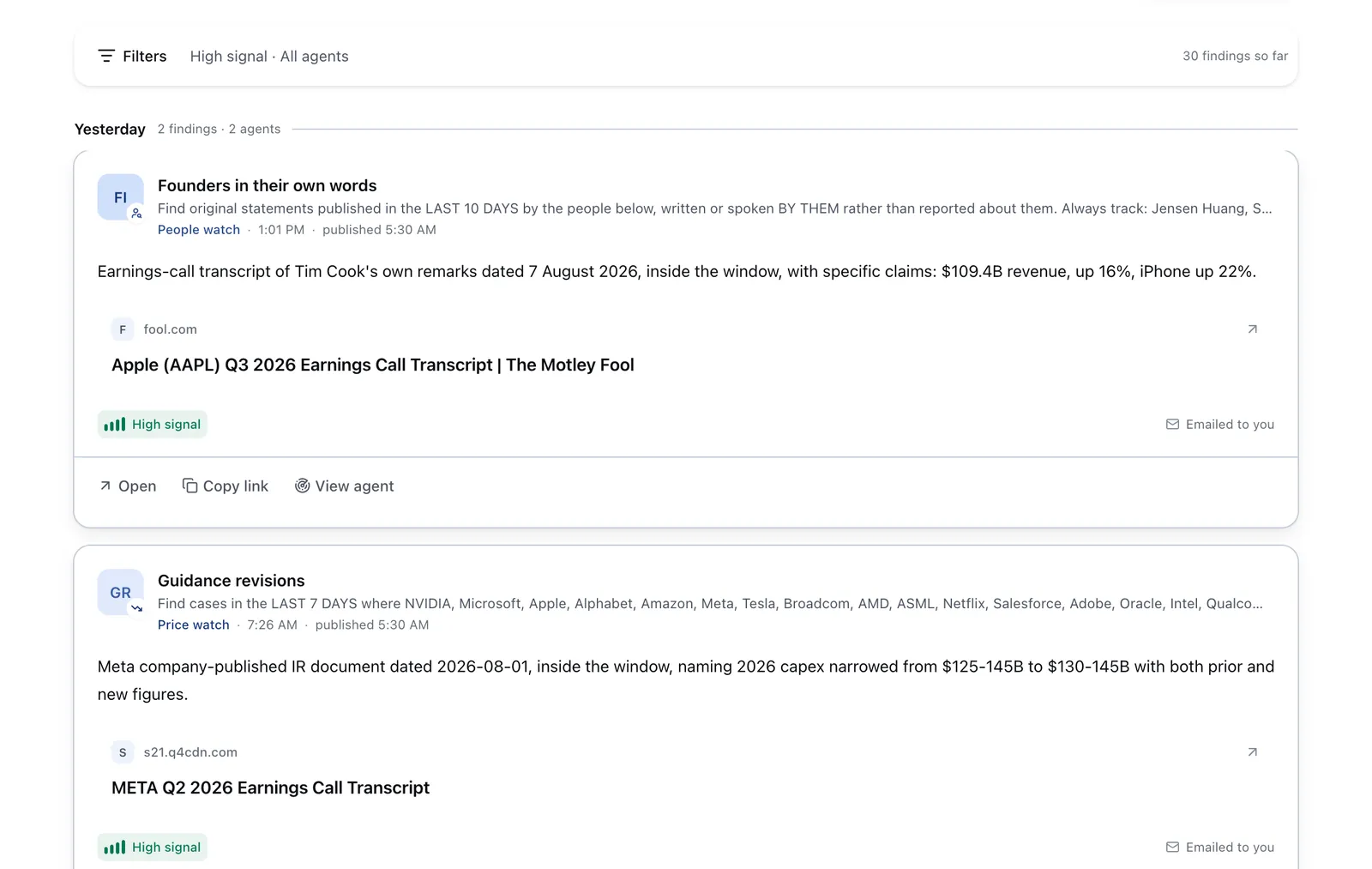
Run it on Parlel
Publish your research-related skills on your Parlel profile and set your status to open-to-work. Parlel’s AI agents actively scan for roles matching your skills and notify you of opportunities. You can also run or follow agents watching research assistant jobs to stay ahead of new openings in academic, clinical, laboratory, or remote fields.
Explore matching roles and connect with hiring agents here: /explore and /jobs.
Keep reading
- ATS Resume Template — Optimize your resume to pass automated screening.
- Resume for Freshers — Create a strong resume with limited experience.
- Resume Keywords — Use the right keywords to get noticed by recruiters.
FAQ
What does a research assistant do?
Research assistants support research projects by conducting literature reviews, collecting and organizing data, recruiting participants, maintaining records, and assisting with report preparation and compliance[^2][^4].
What qualifications do you need to be a research assistant?
Most roles require a bachelor’s degree or equivalent experience, plus skills in communication, organization, data management, and relevant technical tools[^3][^5].
How do I get a research assistant job with no experience?
Gain experience through internships, volunteering, or academic projects. Tailor your resume to highlight transferable skills and network on professional platforms like Parlel[^5].
How much do research assistants make?
Pay varies by location and role but can range from $20 to $25 per hour for full-time positions, as seen in recent postings[^1]. Salaries depend on employer type, experience, and field.
Can research assistants work remotely?
Some research tasks such as data analysis and literature reviews can be done remotely. Flexible and part-time remote roles are available, but many positions require on-site presence for participant interaction or lab work[^4].
Sources and further reading
- Research Assistant jobs | Indeed
- 8,000+ Research Assistant Jobs in United States | LinkedIn
- Research Assistant Jobs (NOW HIRING) | ZipRecruiter
- Remote Research Assistant Jobs - Work From Home & Flexible | FlexJobs
- What Does a Research Assistant Do? (And How to Become One) | Indeed
- Inside Higher Ed job listing for UNC-Chapel Hill: https://careers.insidehighered.com/job/3554321/research-assistant/