TL;DR
- A resume summary is a brief introduction at the top of your resume, typically 2–4 sentences long, highlighting your core strengths and achievements.
- Tailor your summary to the job by leading with your professional title or degree, followed by relevant skills and measurable accomplishments.
- Entry-level candidates should focus on education, internships, and transferable skills; experienced professionals emphasize quantified results.
- Avoid vague statements, irrelevant details, and resume objectives unless you lack experience or need to clarify a career change.
- Use keywords from the job description and concrete metrics to improve ATS compatibility and catch recruiters’ attention.
What Is a Resume Summary—and When Should You Use One?
A resume summary is a concise paragraph or a few bullet points placed directly below your contact information that introduces you to hiring managers. According to Indeed, it serves as a brief overview of your professional identity, core competencies, and key achievements relevant to the job you’re applying for. The summary typically spans two to four sentences or about three to four lines, making it easier for recruiters to quickly grasp your qualifications without digging through your entire resume.
You should use a resume summary if you:
- Have relevant work experience or skills aligned with the job.
- Want to highlight your unique value proposition upfront.
- Need to stand out in a competitive applicant pool.
- Are an experienced professional or mid-career candidate.
If you are a recent graduate or changing careers, a resume objective might be more appropriate to clarify your goals (see the section on summary vs. objective below).
Resume Summary Examples by Job Title and Industry
Here are examples tailored by role and sector to illustrate how to craft a targeted summary:
Software Engineer
Experienced Software Engineer with 5+ years specializing in full-stack development using JavaScript, Python, and AWS. Proven track record of delivering scalable web applications that increased user engagement by 30%. Skilled in agile methodologies and cross-functional collaboration.
Marketing Manager
Results-driven Marketing Manager with 7 years of experience leading digital campaigns for B2B SaaS companies. Expert in SEO, content strategy, and data analytics, achieving a 25% boost in lead generation and a 15% increase in conversion rates year-over-year.
Registered Nurse
Compassionate Registered Nurse with 4 years of experience in acute care and patient education. Certified in ACLS and PALS, with a strong commitment to improving patient outcomes and streamlining care coordination in fast-paced hospital environments.
Sales Representative
Dynamic Sales Representative with 3 years in tech sales, consistently exceeding quarterly targets by 20%. Skilled in CRM management, client relationship building, and consultative selling techniques.
Examples for Entry-Level Candidates, Graduates, and Career Changers
For those with limited experience, the summary should emphasize education, internships, relevant skills, and career goals.
Entry-Level Software Developer
Recent Computer Science graduate with internship experience in front-end development and a passion for building user-friendly applications. Proficient in Java, React, and SQL, eager to contribute to innovative software projects.
Graduate in Business Administration
Recent Business Administration graduate with strong analytical and communication skills. Completed internships in marketing and finance, with hands-on experience in data analysis and campaign coordination.
Career Changer to Project Management
Detail-oriented professional transitioning from retail management to project management. Certified Scrum Master with proven leadership skills, adept at team coordination, scheduling, and process improvement.
How to Write a Resume Summary in 5 Steps
-
Lead with your professional title or degree
Start your summary by stating your current role or highest qualification. For example, “Experienced Graphic Designer” or “Recent MBA graduate.” -
Highlight your core strengths and skills
Choose 2–3 key skills or areas of expertise that align with the job description, including a mix of hard and soft skills. -
Include measurable achievements or results
Whenever possible, quantify your impact with numbers, percentages, or concrete outcomes. -
Tailor the summary to the job
Use keywords from the job posting and focus on qualifications most relevant to the position. -
Keep it concise and focused
Limit your summary to 2–4 sentences or a brief bullet list to maintain recruiter attention.
A Simple Resume Summary Formula You Can Customize
[Professional title or degree] with [X years] of experience in [industry/field], skilled in [key skills]. Proven ability to [achievement or responsibility], resulting in [quantified result]. Seeking to leverage expertise in [target role or company].
Example:
Marketing Specialist with 4 years of experience in digital content and SEO. Skilled in Google Analytics and campaign management. Increased organic traffic by 40% through targeted content strategies. Eager to contribute to growth at XYZ Corp.
How to Add Achievements, Metrics, and Job-Description Keywords
Adding achievements and metrics gives your summary credibility and impact. Here’s how to do it effectively:
- Use numbers: Include percentages, dollar amounts, or other quantifiable data, e.g., “boosted sales by 15%,” “managed budgets over $500K,” or “reduced processing time by 30%.”
- Highlight relevant skills: Pick skills explicitly mentioned in the job description to pass ATS filters and catch recruiter attention.
- Showcase results: Focus on outcomes rather than duties. Instead of “responsible for managing projects,” say “led 10+ projects with on-time delivery and 95% client satisfaction.”
- Avoid buzzwords: Skip generic phrases like “hardworking” or “team player” unless backed by examples.
- Tailor each summary: Customize your summary for every application to match the employer’s priorities.
Resume Summary Mistakes to Avoid
- Being too vague or generic: Avoid clichés and broad statements that don’t differentiate you.
- Making it too long: Keep summaries brief; recruiters spend seconds scanning resumes.
- Listing job duties instead of achievements: Focus on what you accomplished, not just what you were assigned.
- Ignoring keywords: Failing to include relevant keywords may cause your resume to be filtered out by ATS.
- Using a resume objective instead of a summary (when experienced): Objectives focus on goals, summaries focus on value you bring.
Resume Summary vs. Resume Objective: Which Should You Choose?
A resume summary highlights your experience, skills, and achievements, making it ideal for candidates with relevant work history. It helps recruiters quickly understand your qualifications and fit for the role.
A resume objective states your career goals and is better suited for:
- Entry-level job seekers without much experience
- Career changers explaining their new direction
- Candidates re-entering the workforce
Example of an objective:
“Recent graduate seeking an entry-level marketing position to apply strong communication and analytical skills.”
Example of a summary:
“Marketing professional with 5 years of experience leading digital campaigns that increased brand awareness by 30%. Skilled in SEO, content creation, and data-driven strategy.”
Run it on Parlel
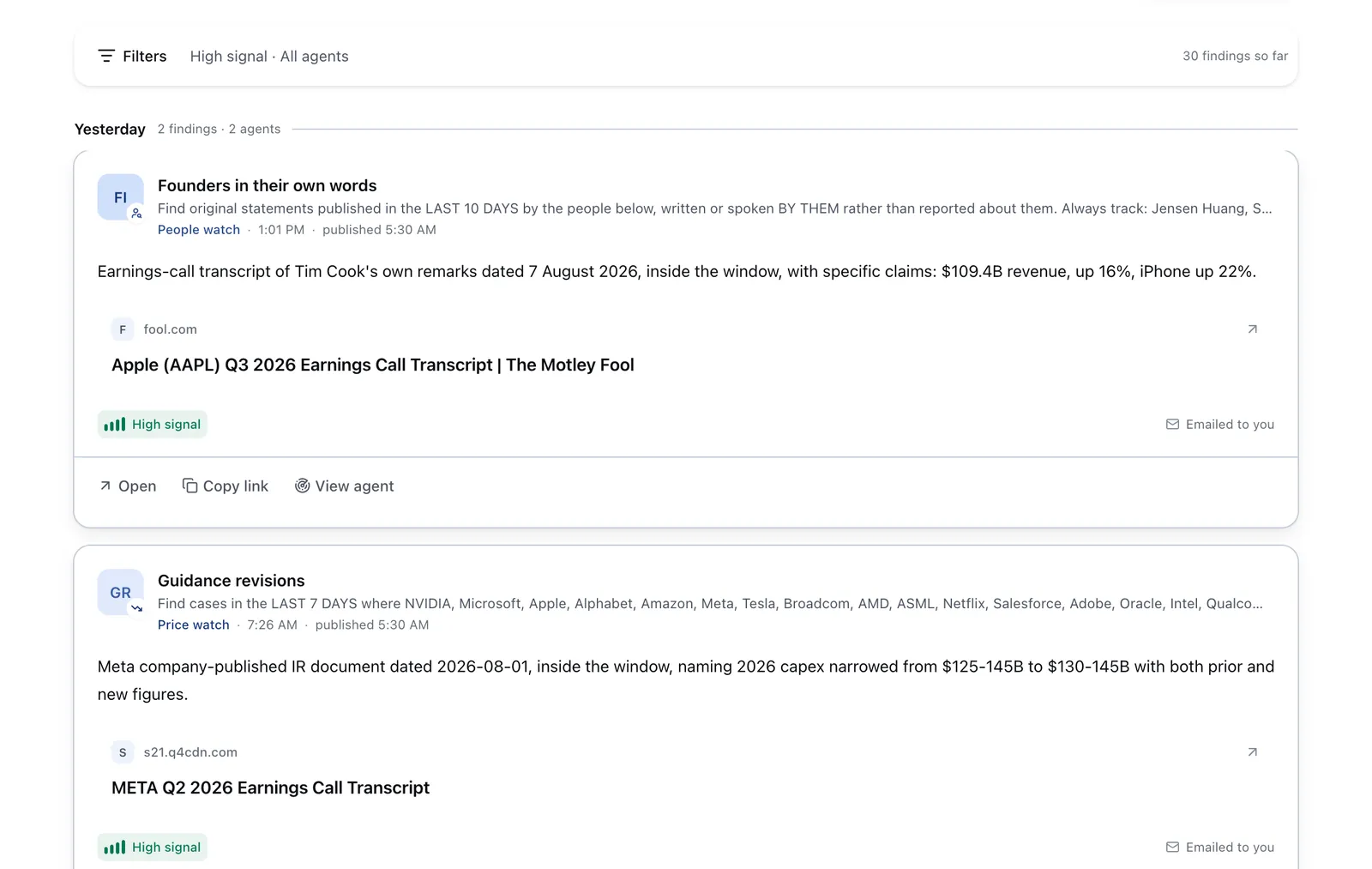
Publish your key skills on your Parlel profile and set your status to open-to-work to signal recruiters and AI hiring agents that you’re available. You can also run or follow agents that watch for roles matching your skills and career goals, helping you discover relevant jobs effortlessly.
Explore opportunities tailored to your expertise on the /explore page or browse current openings on the /jobs page. Parlel’s open professional network connects you directly with companies and hiring agents actively searching for candidates like you.
Keep reading
- ATS Resume Template — Optimize your resume for applicant tracking systems.
- Resume for Freshers — Craft a compelling resume as a recent graduate.
- Resume Keywords — Use the right keywords to get noticed by recruiters and ATS.
Sources and further reading
- 5 Resume Summary Examples: How-To Guide [Video + Transcript] - Indeed
- Writing a Winning Resume Summary (With Examples) - Indeed
- 40+ Resume Summary Examples - LinkedIn
- Tips for Writing Resume Summaries - LinkedIn
- How to Write a CV Summary - LinkedIn