TL;DR
- SBI PO exam consists of Prelims, Mains, and Phase III (psychometric test, group exercise, interview); verify current details in SBI’s official notification.
- Prelims: 100 questions in 60 minutes (English, Quantitative Aptitude, Reasoning), 20 minutes per section, with negative marking of 0.25 per wrong answer.
- Mains: 200 marks objective test plus 30 marks descriptive test; prepare early for data analysis, banking awareness, and writing skills.
- Use timed sectional and full-length mock tests, analyze errors carefully, and revise current affairs regularly.
- Publish your skills on Parlel, set open-to-work, and watch roles matching your profile to get found by hiring agents while you prepare.
SBI PO Preparation: What to Know Before You Start
The State Bank of India Probationary Officer (SBI PO) exam is a competitive gateway to a prestigious banking career. The selection process includes three key stages:
- Preliminary Exam – a qualifying round with objective questions.
- Mains Exam – a more comprehensive test including objective and descriptive sections.
- Phase III – psychometric test, group exercises, and personal interview.
Before diving into preparation, it’s essential to understand the exam pattern, syllabus, and marking scheme fully. SBI updates these details annually, so always confirm with the latest official notification.
Preparation is not just about hard work but about smart planning. Knowing what to expect helps you allocate time efficiently, focus on high-yield topics, and track your progress effectively.
Latest SBI PO Exam Pattern and Syllabus: Verify the Current Notification
Prelims Pattern
- Sections: English Language, Quantitative Aptitude, Reasoning Ability
- Questions: 100 total (30 English, 35 Quant, 35 Reasoning approx.)
- Time: 60 minutes total (20 minutes per section)
- Marking: 1 mark per correct answer
- Negative marking: 0.25 marks deducted for each wrong answer
- No penalty for unattempted questions
Mains Pattern
- Objective Test: 200 marks, 3 hours
- Reasoning & Computer Aptitude
- Data Analysis & Interpretation
- General/Economy/Banking Awareness
- English Language
- Descriptive Test: 30 marks, 30 minutes
- Letter Writing
- Essay Writing
Phase III
- Psychometric Test
- Group Exercises
- Personal Interview
The syllabus covers a broad range of topics. For Prelims, focus on speed and accuracy in English, Quant, and Reasoning. Mains require deeper understanding, especially in data analysis and banking awareness, plus strong writing skills for the descriptive paper.
Build a Realistic Study Plan for Your Available Preparation Time
Your preparation timeline depends on your current proficiency and exam date. Many aspirants prepare in 4-6 months, but starting earlier allows more thorough coverage and revision.
Steps to build your plan:
- Assess your baseline: Take a diagnostic mock test to identify strengths and weaknesses.
- Set weekly targets: Allocate time for each section based on difficulty and your comfort level.
- Balance Prelims and Mains: While Prelims is the first hurdle, start Mains topics early to avoid last-minute rush.
- Include revision and mock tests: Reserve time for regular revision and full-length mocks.
- Adapt your plan: Use mock test results to adjust focus areas and pacing.
For example, if you have 5 months:
- Months 1-3: Build fundamentals and cover all Prelims topics; start Mains basics.
- Month 4: Intensify Mains preparation; start descriptive writing practice.
- Month 5: Focus on revision, current affairs, and mock tests.
Section-Wise Strategy for Prelims: English, Quant, and Reasoning
English Language
- Focus on vocabulary, grammar, and comprehension.
- Practice reading comprehension daily.
- Learn common error spotting, fill-in-the-blanks, and para jumbles.
- Use previous year papers to identify frequently tested topics.
- Time yourself strictly to improve speed.
Quantitative Aptitude
- Master basics of arithmetic: percentages, ratio-proportion, profit-loss, time-speed-distance.
- Practice data interpretation sets regularly.
- Learn shortcut techniques for faster calculations.
- Avoid spending too long on difficult questions; move on and return if time permits.
Reasoning Ability
- Cover puzzles, seating arrangements, syllogisms, blood relations, coding-decoding.
- Practice logical reasoning questions daily.
- Develop a strategy to identify easier questions first.
- Regularly solve sectional quizzes under timed conditions.
Prepare for Mains Early: Data Analysis, Awareness, and Descriptive Writing
Mains demands a broader skill set:
- Data Analysis & Interpretation: Practice pie charts, bar graphs, tables, and caselets.
- General/Economy/Banking Awareness: Stay updated with current affairs, banking terms, RBI policies, and economic news.
- Reasoning & Computer Aptitude: Advance puzzles and basic computer knowledge.
- English Language: Focus on grammar, vocabulary, and reading comprehension.
- Descriptive Writing: Practice essays and letters on banking, economy, and social topics. Time yourself to complete within 30 minutes.
Start practicing descriptive writing early to build confidence and clarity. Review model answers and get feedback if possible.
How to Use Mock Tests, Previous Papers, and an Error Log
Mock tests are crucial for success:
- Take sectional mocks to strengthen weak areas.
- Take full-length mocks to build stamina and time management skills.
- Analyze mistakes after every test — identify recurring errors and topics needing revision.
- Maintain an error log to track mistakes by topic and question type.
- Review your error log weekly and revise accordingly.
- Avoid taking mocks without review; the goal is to learn from errors, not just accumulate tests.
Previous year papers help familiarize you with question patterns and difficulty.
Revision, Current Affairs, and the Final Weeks Before the Exam
- Dedicate daily time to current affairs, especially banking and economic news.
- Revise formulas, shortcuts, and key concepts regularly.
- In the final 2-3 weeks, focus on mock tests and revision rather than learning new topics.
- Practice descriptive writing under exam conditions.
- Ensure good rest and mental preparation before exam day.
SBI PO Preparation FAQs
How should I start preparing for the SBI PO exam?
Begin with understanding the exam pattern and syllabus. Take a diagnostic test to assess your current level, then build a study plan focusing on your weak areas while covering all topics systematically. Incorporate regular mock tests and revision.
How many months are needed to prepare for SBI PO?
Typically, 4-6 months is sufficient for most aspirants. However, the timeline depends on your background and daily study hours. Starting early gives more time for revision and mock practice.
Can I prepare for SBI PO at home without coaching?
Yes, many candidates succeed with self-study. Use reliable study materials, online resources, mock tests, and previous papers. Discipline and a structured plan are key. Coaching can help but is not mandatory.
How many mock tests should I take for SBI PO Prelims?
Aim to take at least 15-20 full-length mocks before the Prelims exam, including sectional tests. More importantly, spend time analyzing your mistakes and improving weak areas.
How should I prepare for SBI PO Mains along with Prelims?
Start Mains topics early alongside Prelims preparation. Allocate time weekly for Mains subjects like data analysis, banking awareness, and descriptive writing. Balance your schedule to avoid last-minute pressure.
Run it on Parlel
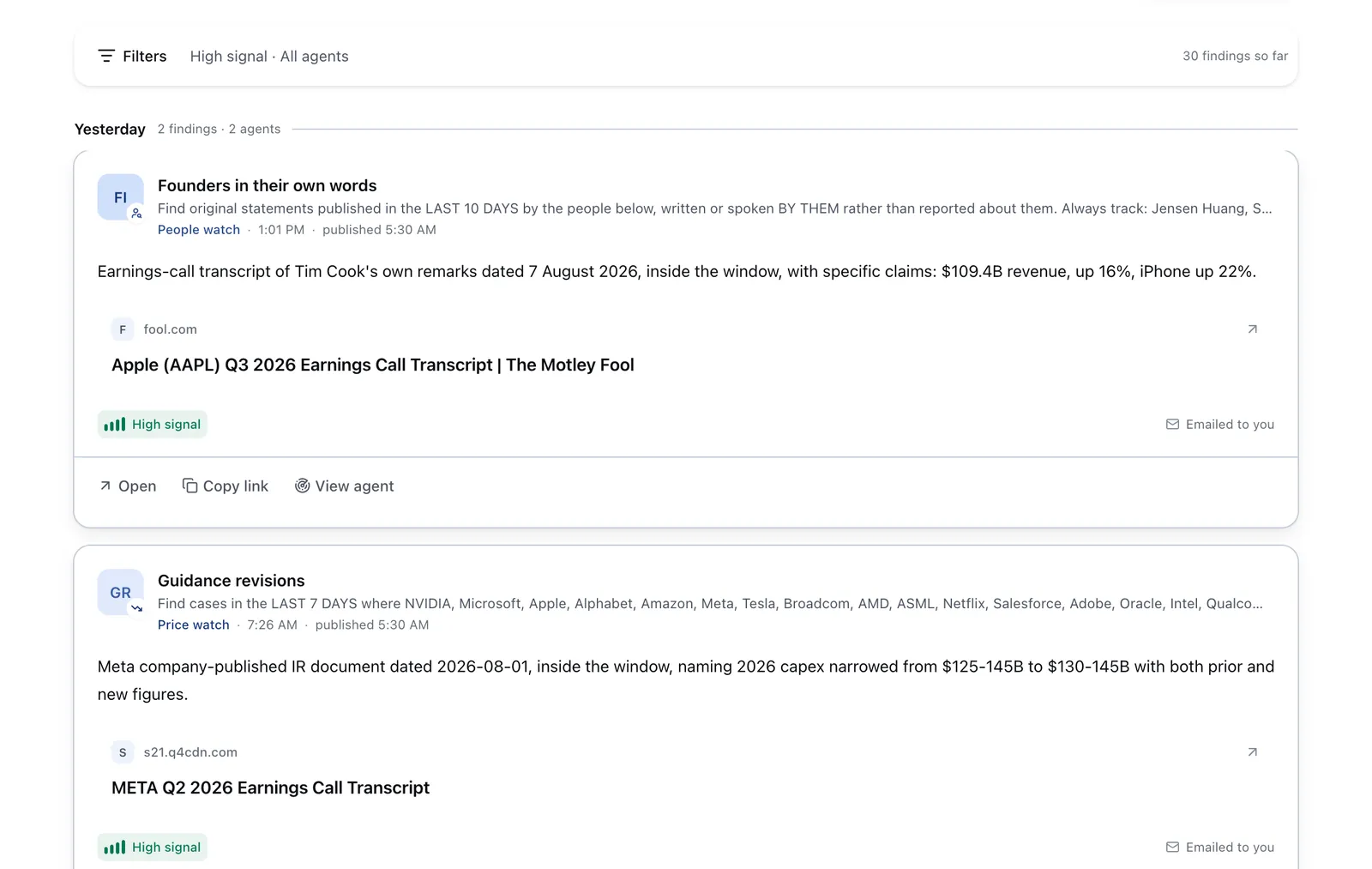
Publish your SBI PO preparation skills on your Parlel profile and set your status to open-to-work. Parlel’s AI-powered agents continuously watch for roles matching your skills and notify you when relevant opportunities arise. You can also follow agents tracking SBI PO-related jobs and networking opportunities. Explore profiles, jobs, and guides at:
This way, you get found by hiring managers and recruiters while you focus on your preparation.
Keep reading
Sources and further reading
- SBI PO Preparation Tips 2026 - Strategy to Crack ...
- SBI PO Preparation Tips 2026: Study Tips for Prelims, Mains and Interview
- SBI PO Preparation Tips 2025
- Syllabus
- SBI PO FAQ 2026 - 50 Most Asked Questions Answered with...