Landing a summer internship is a key step for students and early-career professionals aiming to gain real-world experience, build skills, and expand their networks. This practical guide walks you through the entire process — from when to start applying, how to find internships that align with your goals, to preparing your resume and interview, and finally making the most of your internship.
Whether you’re applying with little experience or looking to maximize your learning and future opportunities, this guide provides month-by-month timelines, strategic advice, and checklists to help you succeed in 2026.
TL;DR
- Start preparing in November and begin applying by January for competitive summer internships; timelines vary by industry and employer.
- Use a mix of job boards, university resources, and direct outreach to find internships that match your career goals.
- Tailor your resume and cover letter for each role, highlighting relevant skills even if you have limited experience.
- Network actively, follow up after applications and interviews, and prepare thoughtful questions for employers.
- Evaluate offers based on compensation, housing, academic credit, location, and learning opportunities before accepting.
When to Apply for Summer Internships: A Month-by-Month Timeline
Timing is crucial when applying for summer internships. Many competitive and paid internships open in early January, with deadlines often in February or March. Smaller companies and startups may post opportunities later in spring, but starting early maximizes your options.
- November: Identify target industries and companies. Research roles and internship formats that interest you.
- December: Prepare and polish your resume, cover letter, and LinkedIn profile. Begin drafting outreach messages.
- January: Start applying to internships as postings open. Use job boards, university career portals, and company websites.
- February - March: Continue applying and networking. Attend career fairs and info sessions. Prepare for interviews.
- April - May: Evaluate offers, negotiate if possible, and finalize logistics like housing and academic credit.
- June - August: Complete your internship, set goals with your manager, and build your network.
This timeline is adapted from Indeed’s advice and university career services recommendations. Starting six months ahead is especially important for competitive paid internships. Source: Indeed
How to Find Summer Internships That Match Your Goals
Finding the right internship means aligning the opportunity with your career interests, skills you want to develop, and practical considerations like location and compensation.
- Identify your field and roles: Narrow down industries and job functions that excite you. Use LinkedIn, company websites, and internship databases.
- Use multiple channels: Combine online job boards, university career centers, alumni networks, and direct outreach to employers.
- Consider alternative experiences: Research placements, short projects, job shadowing, or international internship programs can also provide valuable exposure.
- Evaluate opportunities carefully: Consider the internship duration (typically 1-3 months), expected workload, and whether it offers academic credit or compensation.
- Leverage university programs: Many universities have partnerships or exclusive internship listings worth exploring.
Direct outreach can be effective. A simple message expressing your interest and asking about upcoming internships can open doors. Source: Oxford University Careers Service
How to Apply With Limited Experience
If you have little or no prior work experience, don’t worry — many summer internships are designed for students in your position.
- Highlight transferable skills: Emphasize teamwork, communication, problem-solving, and any relevant coursework or projects.
- Include volunteer work or extracurricular activities: These demonstrate initiative and responsibility.
- Show eagerness to learn: Employers value motivation and adaptability.
- Customize each application: Tailor your resume and cover letter to the role, using keywords from the job description.
- Apply broadly: Don’t hesitate to apply to multiple internships to increase your chances. Syracuse University recommends applying to a range of opportunities to find the best fit. Source: Syracuse University Career Services
Build a Resume and Cover Letter for Each Internship
Your resume and cover letter are your first impression. Make them count by customizing each application.
- Resume tips:
- Use a clear, professional format.
- Include a summary or objective focused on the internship role.
- List relevant skills, coursework, projects, and any experience, including volunteer work.
- Use action verbs and quantify achievements where possible.
- Incorporate keywords from the internship description to pass automated screening tools.
- Cover letter tips:
- Address the hiring manager by name if possible.
- Explain why you’re interested in the role and company.
- Highlight your skills and how they match the internship requirements.
- Keep it concise (about 3-4 paragraphs).
- End with a call to action, expressing enthusiasm for an interview.
See our guides on ATS Resume Template, Resume for Freshers, and Resume Keywords for detailed help.
Networking, Outreach, and Following Up
Networking remains one of the most effective ways to secure internships.
- Use LinkedIn and Parlel: Connect with alumni, professionals, and recruiters in your target field.
- Attend career fairs and info sessions: Engage with employers and ask insightful questions.
- Reach out directly: Send polite, concise messages to hiring managers or internship coordinators expressing your interest.
- Follow up: After submitting applications or interviews, send thank-you emails to reinforce your enthusiasm and professionalism.
- Maintain relationships: Keep in touch with contacts for future opportunities and advice.
Strategic networking can sometimes lead to unadvertised internships or referrals. Source: Syracuse University Career Services
Interview Preparation and Questions to Ask Employers
Preparing for your internship interview is key to making a strong impression.
- Research the company: Understand their mission, products, culture, and recent news.
- Practice common questions: Be ready to discuss your background, why you want the internship, and how you handle challenges.
- Prepare your own questions: Ask about the team, projects you’ll work on, learning opportunities, and expectations.
- Demonstrate enthusiasm and professionalism: Show that you’re eager to contribute and learn.
- Follow up: Send a thank-you email reiterating your interest and appreciation for the opportunity.
Common questions to ask include:
- What are the main goals for this internship?
- How is feedback provided?
- What skills are most important for success in this role?
- Are there opportunities for full-time employment after the internship?
Compare Offers: Pay, Housing, Credit, and Learning Value
When you receive internship offers, evaluate them carefully beyond just salary.
- Compensation: Is the internship paid or unpaid? Consider stipends, hourly wages, or other benefits.
- Housing and location: Will you need to relocate? Is housing provided or subsidized? Factor in living costs.
- Academic credit: Does the internship count toward your degree? What are the requirements?
- Learning and networking: Will you gain relevant skills and connections? Does the role align with your career goals?
- Logistics: Consider commute, work hours, and company culture.
Syracuse University recommends weighing these factors to choose the best overall fit for your development. Source: Syracuse University Career Services
How to Make the Most of Your Summer Internship
Once you start your internship, take active steps to maximize your experience.
- Set clear goals: Early in your internship, discuss objectives and expectations with your manager.
- Build skills: Volunteer for projects, ask for feedback, and seek learning opportunities.
- Network: Connect with colleagues, attend company events, and build relationships.
- Track accomplishments: Keep a record of your contributions and skills gained.
- Prepare for next steps: Ask for references, update your resume, and reflect on your experience.
A week-by-week plan can help you stay on track and make the most of your time. Use check-in questions with your manager to ensure you’re meeting goals and growing professionally. Source: WayUp
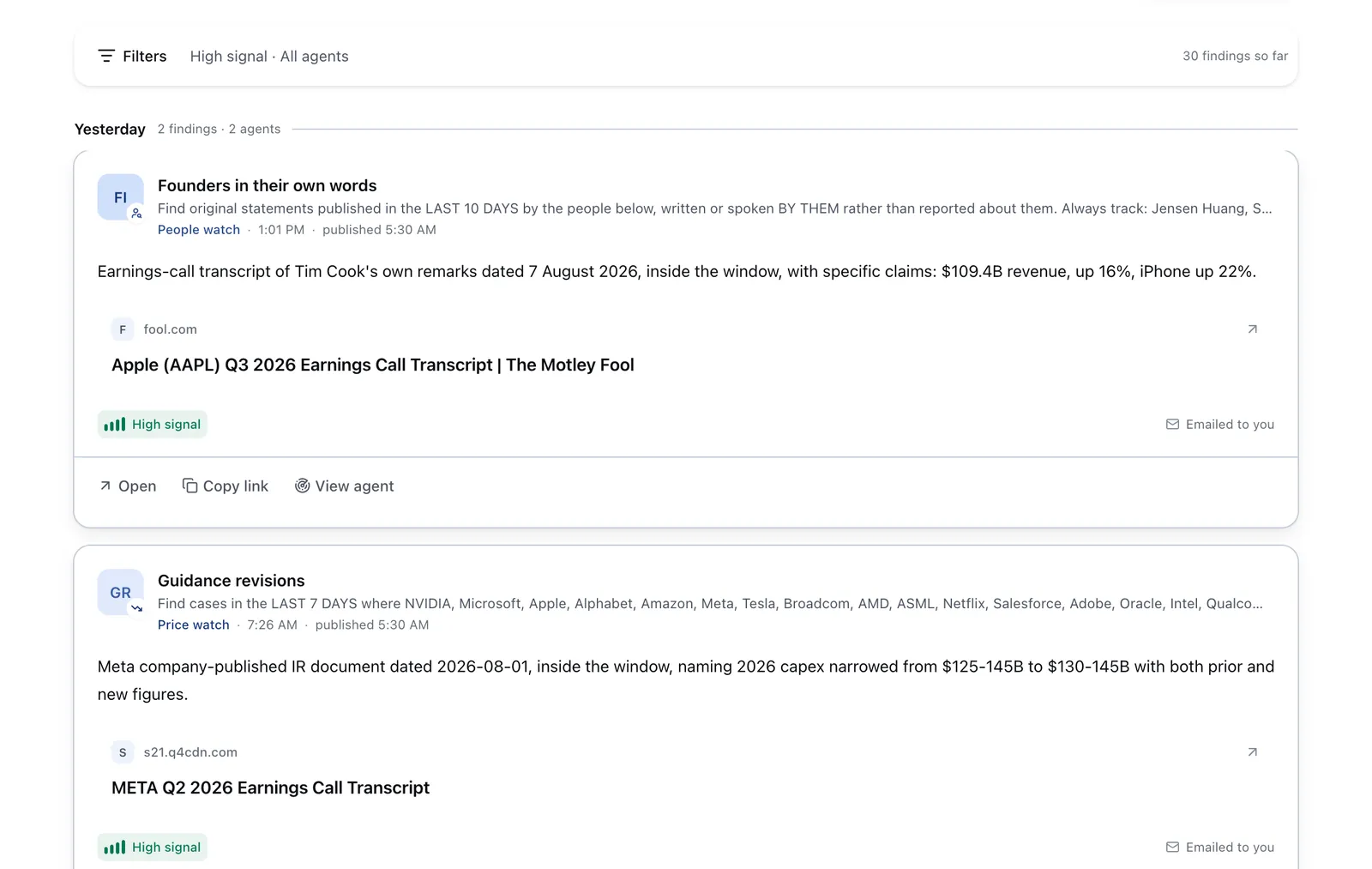
Run it on Parlel
Publish your skills and experiences on your Parlel profile and set your status to open-to-work to get discovered by hiring managers and their AI agents. You can also run or follow agents that watch for internship roles matching your skills and interests.
Explore available internships and connect with professionals on Parlel’s Explore and Jobs pages. This proactive approach helps you get found by recruiters while you continue applying.
Keep reading
Sources and further reading
- How To Find a Summer Internship (With Video) - Indeed
- Top Tips From Career Services to Land a Summer Internship - Syracuse University
- Finding Work Experience - Oxford University Careers Service
- Mastering Your Summer Internship - WayUp
Frequently Asked Questions
When should I start applying for summer internships?
Start identifying target fields and companies by November, prepare your materials in December, and begin applying as early as January. Competitive internships often have early deadlines, while some smaller companies post later in spring. Indeed
How do I find a summer internship with no experience?
Focus on transferable skills, volunteer work, and coursework. Tailor your resume and cover letter to highlight your eagerness to learn and relevant abilities. Apply broadly and use networking to uncover opportunities. Syracuse University
Are summer internships usually paid?
It varies. Many competitive internships are paid, but some may be unpaid or offer stipends. Consider compensation alongside housing, academic credit, and learning value when evaluating offers. Syracuse University
What should I put on my resume for a summer internship?
Include relevant skills, coursework, projects, volunteer experience, and any part-time jobs. Use keywords from the internship description and focus on transferable skills like teamwork and communication. See our Resume for Freshers guide for details.
How many summer internships should I apply to?
Apply to multiple internships to increase your chances, focusing on roles that align with your goals and skills. Syracuse University suggests prioritizing quality applications but maintaining a broad enough search to find the best fit. Syracuse University