TL;DR
- Research the company’s dress code beforehand; if unclear, ask HR or recruiters directly.
- Dress one level more formally than the company’s everyday attire to show professionalism.
- Choose clean, pressed, and well-fitting clothes and comfortable, polished shoes.
- Adapt your outfit to the interview format: formal or business casual for in-person, neat and camera-friendly for virtual.
- Prepare your full outfit the night before and try it on to ensure comfort and confidence.
How to Choose What to Wear to an Interview
Choosing the right interview outfit is a critical step in making a positive first impression. The key is to balance professionalism with appropriateness to the company culture and role you’re applying for. Start by researching the employer’s dress code:
- Check the company’s website and social media for clues about their workplace attire.
- Look at employee photos or videos to see what current staff typically wear.
- If uncertain, contact human resources or your recruiter to ask about dress expectations.
As Indeed advises, when the dress code remains unclear, reaching out is better than guessing. The University of San Francisco career-services guide recommends dressing slightly more conservatively and formally than the company’s usual style — this shows respect and seriousness without overdoing it.
What to Wear by Dress Code: Formal, Business Casual, and Smart Casual
Formal (Business Professional)
This is the safest choice for traditional industries such as finance, law, or corporate roles:
- Men: A tailored suit in navy, black, or gray; crisp white or light-colored shirt; conservative tie; polished leather shoes.
- Women: A pantsuit or skirt suit in neutral colors; blouse or button-down shirt; closed-toe shoes with moderate heels or flats.
Ensure clothes are clean, pressed, and shoes are comfortable and broken in (Indeed Ireland recommends avoiding new shoes on interview day).
Business Casual
Common in tech, startups, and creative fields:
- Men: Dress pants or chinos; collared shirt or polo; optional blazer; loafers or dress shoes.
- Women: Dress pants or skirt; blouse or smart top; cardigan or blazer optional; flats or low heels.
Avoid jeans unless explicitly stated acceptable. The University of San Francisco guide notes business casual still requires neat, professional clothing.
Smart Casual
More relaxed workplaces or initial phone/video interviews may accept smart casual:
- Men and Women: Clean, well-fitting jeans or chinos paired with a neat shirt or blouse; optional sweater or blazer; clean shoes or smart sneakers if appropriate.
Even in smart casual, avoid overly casual items like t-shirts with logos, ripped jeans, or athletic wear.
Interview Outfit Examples by Role and Industry
- Finance and Law: Dark suits, white shirts, minimal accessories.
- Tech and Startups: Business casual with neat shirts and chinos; avoid overly casual or flashy clothing.
- Creative Roles: Smart casual with a touch of personal style, but keep it polished.
- Retail or Customer Service: Business casual or uniform if provided; neat and approachable appearance.
- Healthcare: Professional attire with attention to hygiene; scrubs if specified.
Always tailor your outfit to the role’s expectations and company culture, as LinkedIn’s Interview Attire Guidelines emphasize.
What to Wear to a Virtual Interview
Virtual interviews require a slightly different approach:
- Dress as you would for an in-person interview at the same level of formality.
- Choose solid, neutral colors that look good on camera and avoid distracting patterns.
- Ensure your top half is polished, even if you’re wearing casual bottoms.
- Check your background and lighting to complement your outfit and present a professional image.
Remember, your appearance on video is a direct reflection of your professionalism.
Shoes, Accessories, Grooming, and Practical Details
- Shoes: Comfortable, polished, and appropriate for the outfit. Avoid new shoes on interview day to prevent discomfort.
- Accessories: Keep jewelry minimal and professional. Avoid strong fragrances that might distract.
- Grooming: Hair should be neat and tidy. Facial hair should be well-groomed. Nails clean and trimmed.
- Practical Details: Bring a portfolio or notebook, and ensure your phone is silenced.
The University of North Georgia recommends trying on the complete outfit several days before the interview to check fit and comfort.
What Not to Wear to an Interview—and When the Rules Change
Avoid:
- Torn, stained, or wrinkled clothing.
- Overly casual items like t-shirts, hoodies, or athletic wear.
- Excessive jewelry or heavy makeup.
- Flip-flops, sneakers (unless explicitly allowed), or open-toed shoes in formal settings.
However, dress codes are evolving. Some creative and tech companies encourage individuality and relaxed dress, but professionalism should never be compromised. When in doubt, err on the side of formality.
How to Check the Company Dress Code Before Interview Day
- Visit the company’s official website and social media channels.
- Review employee photos or videos on LinkedIn or the company’s blog.
- Ask your recruiter or HR contact directly.
- Search for recent employee reviews on sites like Glassdoor mentioning dress code.
Indeed recommends this research as a crucial step to avoid under- or overdressing.
Interview Outfit Checklist: Prepare the Night Before
- [ ] Clothes are clean, pressed, and fit well.
- [ ] Shoes are polished and comfortable.
- [ ] Accessories are minimal and professional.
- [ ] Grooming is planned: hair, nails, makeup, and fragrance.
- [ ] Outfit tried on to ensure comfort and confidence.
- [ ] Interview materials (resume copies, portfolio) ready.
- [ ] Phone silenced and interview location prepared (for virtual).
Preparation reduces stress and allows you to focus on the interview itself.
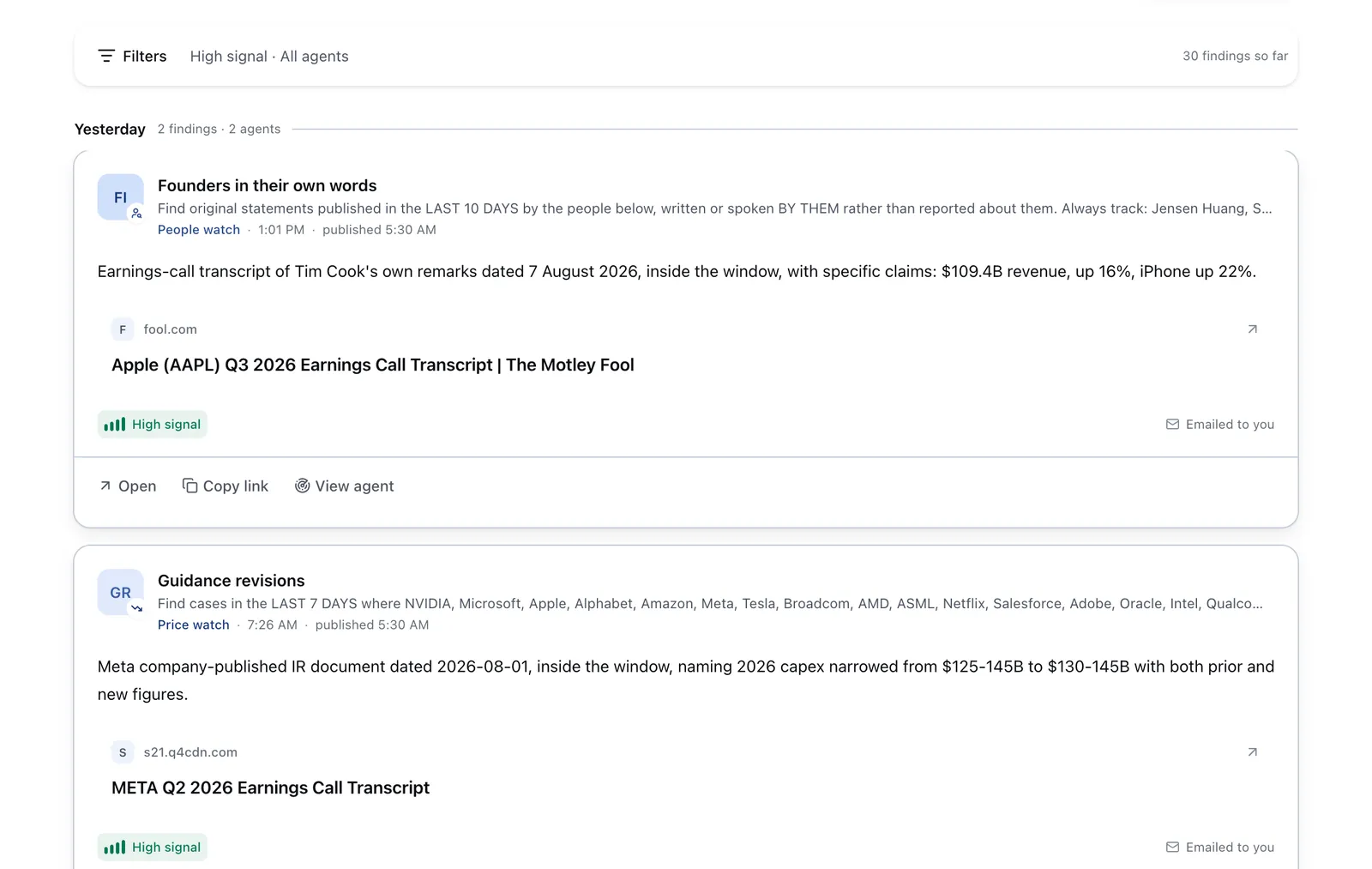
Run it on Parlel
Publish your interview skills and preferred roles on your Parlel profile to get noticed by hiring agents actively searching for candidates like you. Set your profile to open-to-work and optionally run or follow agents that watch for jobs matching your skills and interests in interview preparation or related roles. Visit /explore to discover agents and /jobs to see matching opportunities.
Keep reading
Sources and further reading
- What to wear to an interview (Do's and don'ts) - Indeed UK
- Interview Attire Guidelines - LinkedIn
- What to wear to an interview - Indeed Ireland
- Dress For Success - University of San Francisco
- Dressing for the Interview - University of North Georgia