Analytics engineer jobs sit between raw warehouse data and trustworthy metrics. The core craft is modeling data as version-controlled, tested transformations (often with dbt) so analysts, data scientists, and business teams can trust definitions. If you like SQL, software hygiene, and stakeholder clarity, this lane is worth a serious search.
This page was reviewed on September 30, 2026.
TL;DR
- Analytics engineers build governed models, tests, and semantic layers; they are not only dashboard builders.
- Expect SQL depth, dbt (or equivalent), a cloud warehouse, git/CI, and BI collaboration.
- Distinguish AE from data analyst, data engineer, and data scientist before you apply.
- Proof that hires: public or redacted dbt projects, tests, docs, and metric definitions.
- Remote AE roles are common; still verify country eligibility and onsite expectations.
What analytics engineers actually do
Across OpenAI, Vanta, Prefect, and many startup postings, the work includes:
- Designing dimensional or otherwise well-structured models in a warehouse
- Writing dbt models with tests, documentation, and CI
- Defining metrics and semantic layers for self-serve tools
- Partnering with GTM, product, finance, or operations on definitions
- Improving reliability: freshness, observability, and access control
- Occasional Python for API pulls or logic SQL handles poorly
You are paid to make “revenue,” “activated user,” or “qualified lead” mean one thing.
AE vs analyst vs DE vs DS
| Role | Center of gravity | Typical outputs |
|---|---|---|
| Data analyst | Questions and insights | Analyses, dashboards, recommendations |
| Analytics engineer | Trusted modeled data | dbt models, tests, metric layers |
| Data engineer | Pipelines and platform | Ingestion, orchestration, infra |
| Data scientist | Prediction / experimentation | Models, experiments, advanced stats |
If you are earlier and still exploring analysis foundations, read how to become a data analyst and remote data analyst jobs. For research-heavy ML paths, see data scientist jobs remote.
Skills checklist from real postings
| Must-have in many AE roles | Often expected | Nice-to-have |
|---|---|---|
| Advanced SQL | dbt Core/Cloud | Streaming familiarity |
| Warehouse (Snowflake/BigQuery/Redshift/Databricks) | git + CI | Airflow/Dagster |
| Testing mindset | Looker/Mode/Metabase/Omni/Lightdash | Semantic layer tools |
| Stakeholder communication | Python scripting | Cost optimization |
dbt’s documentation is the practical reference for project structure, tests, and docs blocks. You do not need every BI tool; you need one you can explain deeply.
Portfolio that signals AE readiness
- A public dbt project on a sample dataset with README, tests, and docs
- A metric definition write-up: grain, owners, known caveats
- A PR-style change: failing test → model fix → green CI
- A short case: how you resolved conflicting stakeholder definitions
- Optional dashboard that consumes the modeled tables (not raw chaos)
Interviewers care whether you think like software about data.
Where to find analytics engineer jobs
| Source | Notes |
|---|---|
| LinkedIn / Indeed | Title: analytics engineer, analytics engineering |
| Wellfound | Startup founding AE roles |
| Company data team pages | Often clearer stack notes |
| Remote boards | Check eligibility |
| dbt / modern data community job threads | Discovery, still verify employer |
Remote-friendly data teams post often; still apply the same location checks you would on any remote search.
Resume bullet patterns
Weak: “Built dashboards in Tableau.”
Stronger: “Modeled subscription revenue in dbt on Snowflake with tests for uniqueness and freshness; documented metric definitions used by finance and growth in Looker.”
Show warehouse, modeling, tests, consumers, and conflict resolution when true.
Interview themes
| Stage | What they probe |
|---|---|
| SQL screen | Joins, grain, window functions, performance instincts |
| Modeling exercise | Star schemas, slowly changing dimensions, fan-out risks |
| dbt / git discussion | Tests, CI, code review habits |
| Stakeholder story | Conflicting metrics, rollout communication |
| Take-home | Small transformative project with docs |
Illustrative example: A prompt may give messy event tables and ask for a user activity model. Strong answers discuss grain, late events, and tests before tooling brand names.
Compensation and leveling notes
Posted ranges vary widely by seniority and location. Early AE roles may overlap senior analyst pay; senior AE roles at high-growth companies can approach specialized data engineering bands. Always read the employer’s range and equity story rather than averaging social posts.
Weekly AE job search plan
| Day | Action |
|---|---|
| Monday | Board sweep for AE titles + stack keywords |
| Tuesday | Improve dbt project tests/docs |
| Wednesday | Target company data careers pages |
| Thursday | Tailored applications |
| Friday | Practice SQL + modeling prompts |
tracker: company | stack | seniority | location_rule | date_applied | stage.
Common mistakes
- Applying with analyst-only proof and no modeling/testing artifacts
- Listing every tool without depth
- Ignoring grain and fan-out issues in take-homes
- Treating AE as “Tableau with extra steps”
- Skipping stakeholder stories
Modeling fundamentals to practice
Work through:
- Primary keys and grain declaration
- Fan-out from joins and how to prevent double-counting
- Slowly changing dimensions at a practical level
- Timezone and late-arriving event handling
- Idempotent builds and incremental models
- Data tests: uniqueness, not-null, accepted values, relationships
Write your assumptions in the model docs. Future you (and your interviewer) will thank you.
Stakeholder operating system
Analytics engineers fail politely when they only write code. Build a lightweight OS:
- Intake: who requested the metric and why now
- Definition workshop: grain, filters, owners
- Draft model + tests in a branch
- Review with a consumer before merge
- Announce changes with migration notes
- Monitor freshness and anomalies after ship
Conflict is normal when finance and growth disagree. Your job is to make the disagreement explicit and versioned.
Stack depth versus stack breadth
Listing eight warehouses and five BI tools without depth underperforms listing one warehouse, dbt, git, and a BI tool you can defend. Add breadth after you have one clean reference project.
From analyst to AE: a bridge project
Take a messy dashboard you know well. Reverse-engineer the SQL. Rebuild it as staged models with tests and documentation. Replace copy-pasted queries with reusable marts. That single project often becomes your best interview artifact.
Sample take-home scoring rubric (what graders notice)
| Dimension | Strong signal | Weak signal |
|---|---|---|
| Grain | Explicit and tested | Implied only |
| Joins | Fan-out discussed | Silent double counts |
| Tests | Meaningful, not decorative | Zero or only not-null |
| Docs | Assumptions written | Empty descriptions |
| Code clarity | Readable names, layered models | One mega SQL file |
| Communication | README with tradeoffs | No narrative |
Build your practice projects against this rubric before interviews do.
Collaboration with data scientists and analysts
Agree on where feature engineering happens, which tables are contractually stable, and how experimental tables are labeled. Analytics engineers protect the semantic core; scientists need playgrounds. Both can coexist with clear naming and access patterns.
Cost awareness
Warehouses bill for compute and storage. Know roughly how your models run: full refresh vs incremental, clustering/partitioning basics, and how to avoid repeatedly scanning huge facts for small dashboards. You do not need to be a FinOps lead; you need instincts.
Hiring loop prep schedule (two weeks)
| Day | Focus |
|---|---|
| 1–2 | SQL drills on grain and windows |
| 3–4 | Rebuild one public dataset in dbt with tests |
| 5 | Metric definition write-up |
| 6–7 | Behavioral stories on conflict and rollouts |
| 8–10 | Applications to best-fit stacks |
| 11–12 | Mock modeling interview with a peer |
| 13–14 | Polish README and rest |
Consistency beats last-minute tool-hopping.
Naming conventions that reduce chaos
Agree on prefixes for staging vs marts, timezone suffixes where needed, and deprecation markers. Inconsistent names create silent metric drift. Bring one example of a naming standard you enforced or wish you had enforced.
Access control and sensitive data
Analytics engineers often sit near PII and financial facts. Practice least-privilege thinking: which models are widely shareable, which stay restricted, and how columns are masked. Mentioning privacy instincts in interviews is appropriate when the business domain requires it.
Change management for metric renames
Renaming a core metric without a migration plan breaks executive dashboards and trust. Prefer additive columns, deprecation windows, and announced cutover dates. Your communication around change is part of the engineering job.
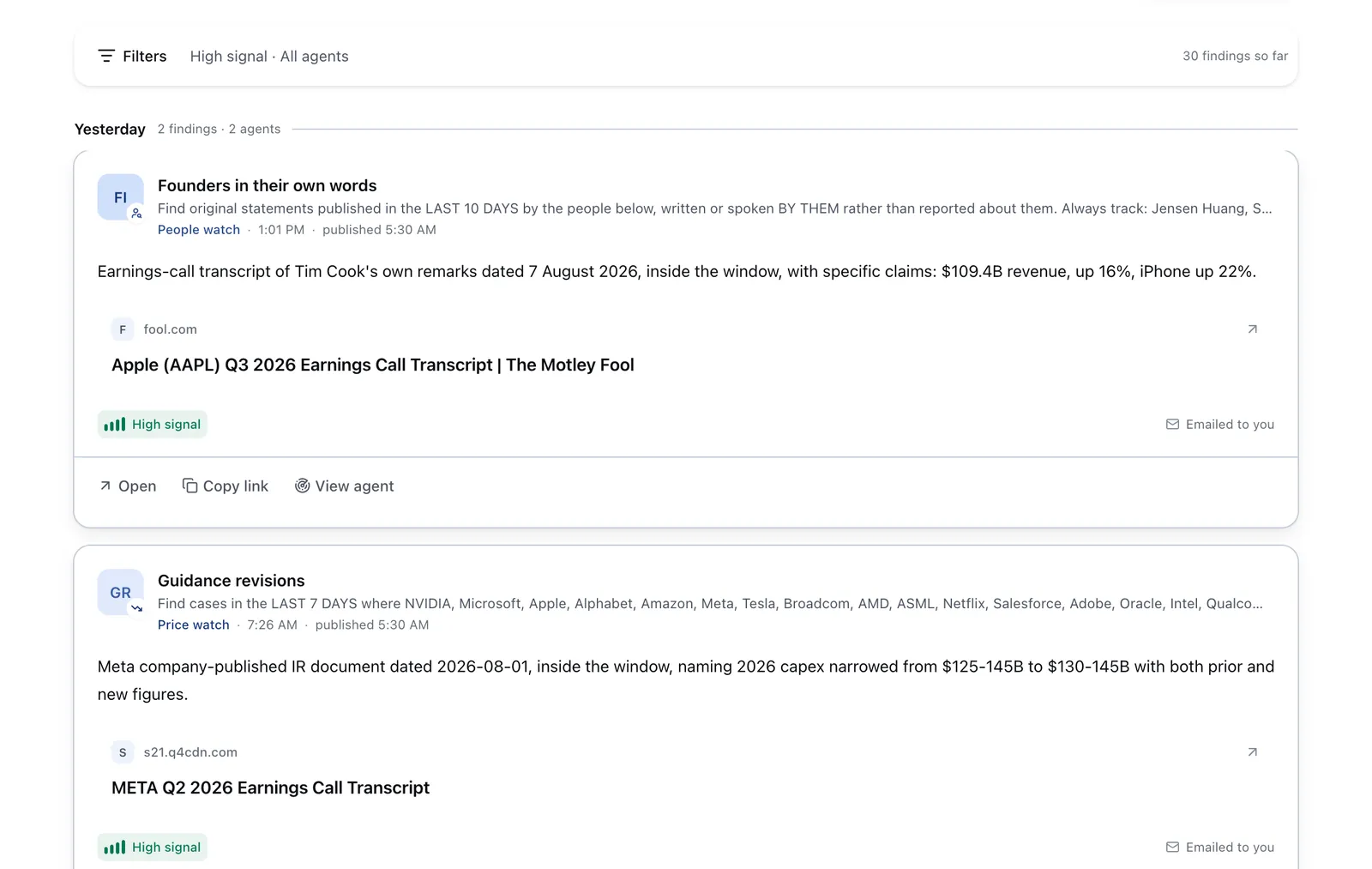
Run it on Parlel
Publish warehouse and dbt-focused skills with links to your modeling work, then monitor matching roles.
profile.headline: analytics engineer | dbt + SQL + [warehouse]
profile.skills: sql, dbt, snowflake_or_bigquery, data modeling
profile.links: github dbt project
digest: analytics engineer roles, posted last 14 days
fields: company, role, stack, location_rule
Digest shape: { company, role, stack, location_rule, matched_skills }. Browse /jobs and confirm the modeling expectations on the employer page.
Keep reading
Frequently asked questions
What is an analytics engineer?
An analytics engineer builds reliable, version-controlled data models and metric definitions so the business can analyze without reinventing logic in every dashboard.
Do I need dbt specifically?
dbt is the most common tool named in AE postings. Equivalent modeling discipline in other frameworks can transfer, but you should be ready to discuss dbt concepts.
Can a data analyst become an analytics engineer?
Yes. Add software habits: git, tests, modeling for reuse, and CI. Keep analysis skills as a complement.
Are analytics engineer jobs remote?
Many are remote or hybrid. Confirm country and payroll eligibility.
Is analytics engineering the same as data engineering?
No. Data engineers focus more on pipelines and platform. Analytics engineers focus more on modeled marts and business definitions, with overlap at smaller companies.
What should I learn first?
Strong SQL, a cloud warehouse, dbt fundamentals (models, tests, docs), git, and one BI tool consuming your models.