Remote customer success (CS) roles are common in B2B SaaS because account work is already Zoom, email, and CRM heavy. The market still mixes Customer Success Manager, Account Manager, Onboarding Specialist, and Support titles. This guide helps you search remote CS roles cleanly, prove retention and expansion outcomes, and avoid timezone or zone-pay surprises.
This page was reviewed on September 30, 2026.
TL;DR
- Clarify whether you want CSM, onboarding, support-to-CS bridge, or expansion-heavy account management.
- Remote SaaS employers often hire by region (AMER, EMEA, APAC) and sometimes by US compensation zone.
- Lead with portfolio outcomes: adoption, retention, NRR/expansion, QBRs, and escalations you owned.
- Use remote boards plus LinkedIn outreach; verify the employer domain before sharing references.
- Keep a headline and profile that state segment (SMB, mid-market, enterprise) and product type.
What remote customer success jobs include
| Role flavor | Primary job | Metrics you should be ready to discuss |
|---|---|---|
| CSM | Adoption, health, renewal partnership | Retention, health score, QBR cadence |
| Onboarding / implementation | Time-to-value after sale | Time to first value, go-live rate |
| Technical CSM / solutions-adjacent | Config, integrations, enablement | Product fluency, escalation quality |
| Expansion CSM / growth | Upsell and land-and-expand | Expansion revenue, multi-team adoption |
| Support transitioning to CS | Ticket history plus relationship skill | CSAT plus proactive risk detection |
YC-backed and remote-first SaaS companies regularly post senior CSM roles with multi-year B2B experience requirements. Enterprise postings often ask for 5–6+ years in CS, strategic account management, or customer-facing consulting. Mid-market roles may accept 2+ years if you can show ownership of a book of business.
Where to find remote customer success jobs
| Source | Best use | Verify |
|---|---|---|
| Volume, Easy Apply, recruiter messages | Zone and travel requirements | |
| Wellfound | Startup CS and founding CSM roles | Stage, equity, true remote |
| Y Combinator Jobs | YC company CS openings | Country eligibility |
| Dice | Broader tech/SaaS search with remote filters | Region and travel notes |
| Company careers pages | Source of truth | Hybrid offsites and travel % |
For a broader remote inventory approach, see remote job boards. Search “Customer Success Manager,” “CSM,” “Customer Experience,” and “Client Success” separately; keyword filters miss synonyms.
Skills remote CS hiring managers screen for
Hard skills matter, but narrative ownership matters more.
| Skill | How to prove it |
|---|---|
| Portfolio management | Book size, segment, and renewal outcomes |
| Adoption playbooks | Example of a stuck account you unblocked |
| Executive communication | QBR story with a clear ask and result |
| Product fluency | Integrations, workflows, and when you escalate |
| Cross-functional work | How you partnered with Sales, Support, Product |
| Remote operating rhythm | Async updates, CRM hygiene, documented next steps |
CRM familiarity (Salesforce and similar) appears often. Do not fake admin expertise; say what you used daily. Technical CSMs should be ready for light product configuration conversations without pretending to be engineers.
LinkedIn and outreach for CS searches
Remote CS hiring is relationship-heavy. Refresh your headline so it states segment and motion, not only “Customer Success Professional.” Examples and patterns: LinkedIn headline examples.
When messaging recruiters or hiring managers, keep it short: one line of shared context, one proof point, one ask. Scripts and etiquette: how to message recruiters on LinkedIn.
Template you can adapt:
Subject: CSM (mid-market SaaS): quick note

Hi [Name], I lead renewals and adoption for [N] mid-market accounts in B2B SaaS.
Recently improved [metric] by [outcome] through [specific play].
Saw your remote CSM role focused on [segment]. Open to a 15-minute chat this week?
Eligibility, pay zones, and travel
Remote CS is not always “work from anywhere.”
| Check | Why it matters |
|---|---|
| Region coverage | AMER CSMs often need Americas timezones |
| Compensation zones | Some employers pay by metro/zip bands |
| Travel percentage | Enterprise CS may still require 10–20% travel |
| Language | EMEA/APAC books may require local languages |
| Employer of record | Global remote may use a partner entity |
Illustrative example, not a compensation study: a US CSM role is labeled remote but pays different bands by zone, with Zone 1 metros higher than Zone 3. The candidate confirms their zip band before comparing offers.
Application and interview workflow
- Save the posting URL, segment, travel %, and location rule.
- Prepare two account stories: a save and an expansion (or a clean renewal under risk).
- Quantify where you can; if metrics are confidential, describe direction and levers without inventing percentages.
- Ask about book size, handoff from Sales, and success definition for the first two quarters.
- After interviews, send a concise thank-you that references one customer problem you discussed.
Common CS interview prompts: how you run a QBR, how you handle a churn risk, how you say no to a feature request, and how you partner when Support and Sales disagree.
Mistakes that hurt remote CS candidates
- Applying to enterprise CSM roles with only inbound support experience and no portfolio story.
- Using a generic “passionate about customers” narrative with no operating system.
- Ignoring travel and zone pay until offer stage.
- Listing every SaaS tool ever clicked instead of the CRM and playbooks you owned.
- Accepting reference checks before confirming the employer is legitimate.
Remote CS operating rhythms employers expect
Remote CSMs are evaluated on clarity of written updates as much as customer charm. Show that you can run async work:
- CRM fields current without being asked
- Agenda and notes for every customer meeting
- Risk flags raised early with a proposed play
- Expansion opportunities handed to Sales with context, not surprises
- Internal escalations that include repro steps and business impact
In interviews, describe your weekly rhythm: health review day, QBR prep block, expansion pipeline check, and documentation hour. Vague “I love customers” answers underperform a concrete calendar.
Segment choice: SMB, mid-market, enterprise
| Segment | Typical motion | Resume emphasis | |---|---| | SMB / digital CS | High volume, lighter touch | Efficiency, playbooks, tooling | | Mid-market | Mix of calls and async | Portfolio ownership, saves | | Enterprise | Multi-thread stakeholders | Executive communication, travel readiness |
Do not apply to enterprise CSM roles with only chat-support evidence unless you can show complex stakeholder work elsewhere. Conversely, enterprise-only candidates may need to show speed and written brevity for SMB digital roles.
Metrics glossary (use carefully)
Employers may ask about NRR, GRR, logo churn, seat expansion, time-to-value, or health scores. Define terms the way your prior company used them. If you cannot share exact numbers, describe direction and levers (“reduced time-to-first-value by restructuring onboarding milestones”) without inventing percentages.
First 90 days story (interview ready)
Prepare a crisp plan you can say in interviews: days 1–30 learn the product and naming conventions for health; days 31–60 run the book with a manager shadow on risky accounts; days 61–90 own QBRs and one playbook improvement. Remote employers want to hear how you create visibility without waiting for hallway conversations. Mention the tools you will keep current (CRM, shared notes, escalation templates) and how you will schedule overlapping hours with customers and internal partners.
Writing a CS resume that survives ATS and humans
Lead with a results line under each role: segment, book size if shareable, and one retention or adoption outcome. Mirror keywords from the posting (QBR, onboarding, expansion, Salesforce) only when true. Keep tools in a short stack section rather than stuffing every SaaS logo you have clicked. Add a remote-work proof line if you have already succeeded asynchronously: “Managed AMER accounts across three timezones with weekly written business reviews.” Recruiters skim; make the first screen enough.
For career switchers from support or sales, dedicate space to proactive risk detection and commercial partnership, not only ticket volume.
Demo and case-study interviews
Some remote CS processes include a mock QBR or a written account plan. Treat them like customer work: clarify the goal, state risks, propose a next best action, and ask for feedback. Do not dump every feature. Show prioritization. If the exercise uses a fake account, invent realistic constraints and say what data you would request in a real book. Hiring managers are scoring judgment and structure under time pressure, not theatrical enthusiasm.
Remote CS candidates should also confirm meeting-heavy cultures versus async-first cultures during the onsite or final panel. Ask how many live customer meetings are typical per week and whether evening coverage is expected for global accounts. Lifestyle fit is part of offer quality, not a soft afterthought.
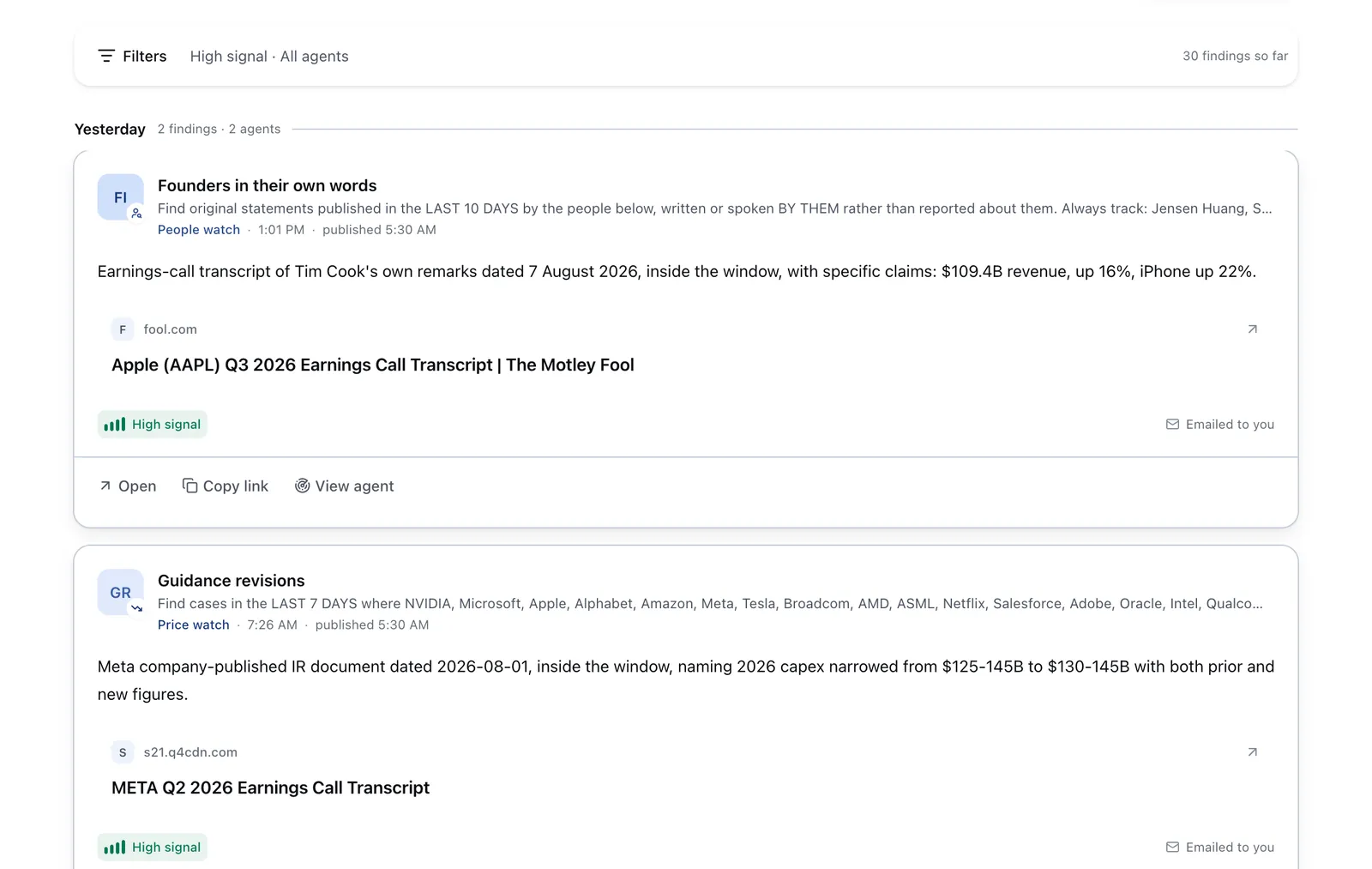
Run it on Parlel
Watch remote CS openings while you keep your profile searchable for SaaS founders.
agent: customer_success_remote_watch
profile.headline: customer success manager, b2b saas, mid-market renewals
profile.skills: onboarding, adoption, qbr, retention, salesforce
filters: remote_eligible, saas
digest: wed_17:00
fields: company, role, segment, location_rule, travel_notes
Digest shape: { role, company, segment, location_eligibility }. Browse /jobs, research employers on /companies, and create your profile.
Keep reading
Frequently asked questions
Are customer success jobs remote-friendly?
Many B2B SaaS CS roles are remote or remote-first, especially when the customer book is distributed. Always confirm region and travel.
What experience do remote CSM jobs require?
Postings vary. Mid-market roles may ask for roughly 2+ years in CS or account management; enterprise roles often ask for more years and strategic account experience.
How is customer success different from account management?
CS usually emphasizes adoption and outcomes after the sale. Account management may emphasize commercial expansion. Some companies combine both in one title.
How do I break into remote customer success?
Support, onboarding, implementation, or sales roles can bridge in if you can show customer ownership and business outcomes. Target SMB books first when enterprise bars are high.
Should I include metrics on my resume?
Yes when accurate and non-confidential. Directional outcomes beat empty adjectives. Do not invent NRR figures.
What should I ask in a remote CS interview?
Ask about book size, handoff quality, success metrics, tooling, escalation paths, and expected travel or offsites.