Remote DevOps and SRE roles are among the more location-flexible engineering jobs because much of the work is async: pipelines, infrastructure as code, on-call rotations, and observability. The hard part is not finding listings. It is matching your specialty, proving production impact, and confirming that “remote” covers your country, timezone, and employment model.
This page was reviewed on September 30, 2026.
TL;DR
- Treat DevOps as lanes (cloud, Kubernetes, CI/CD, observability, platform, security) rather than one generic title search.
- Pair remote boards with company careers pages; verify country eligibility and on-call expectations before you invest a full application.
- Show measurable infra work: reliability, cost, deploy frequency, recovery time, or developer throughput.
- Expect systems design, scripting, debugging, and incident-response behaviorals, not only tool quizzes.
- Keep a searchable profile and a weekly digest so new remote infra roles surface while you interview.
What remote DevOps and SRE roles actually cover
Job titles blur. The same scope may appear as DevOps Engineer, Site Reliability Engineer, Platform Engineer, Cloud Engineer, Infrastructure Engineer, or Build Engineer. Read the responsibilities, not only the title.
| Title lane | Common ownership | Signals in the posting |
|---|---|---|
| DevOps / CI-CD | Pipelines, release automation, environment parity | Jenkins, GitHub Actions, GitLab CI, Argo CD |
| Cloud / IaC | Provisioning, networking, cost, multi-account | Terraform, CloudFormation, AWS/GCP/Azure |
| Kubernetes / containers | Clusters, Helm, RBAC, upgrades | EKS/GKE/AKS, ingress, GitOps |
| SRE | SLOs, error budgets, incident response | On-call, runbooks, postmortems, observability |
| Platform / DX | Internal developer platforms | Self-serve stacks, paved roads, golden paths |
| Security-adjacent | IAM, secrets, compliance automation | Least privilege, vulnerability pipelines |
Remote postings in late 2026 commonly ask for multi-year cloud experience, Terraform, Kubernetes administration, Linux troubleshooting, and scripting in Python, Bash, or Go. Some US roles also require citizenship or residency for contract work. Always read the eligibility line before you rewrite your resume.
If you are comparing software product roles with infra roles, start with remote software engineer jobs. For security-heavy lanes, see cybersecurity career path.
Where to find remote DevOps jobs
Use a short board rotation, then verify on the employer site.
| Source | Best use | What to verify |
|---|---|---|
| Remote OK | High-volume remote tech tags | Location tags vs worldwide claims |
| Dice | Tech job search with remote filters | Location eligibility and reposts |
| Wellfound | Startup DevOps and platform roles | Salary/equity and stage |
| Volume plus recruiter outreach | Recruiter identity and reposts | |
| Direct careers pages | Source-of-truth openings | Whether remote is still open |
Broader remote board strategy: remote job boards. Search title variants in parallel: DevOps, SRE, Platform, Cloud, Infrastructure. Many senior infra hires also come from referrals and direct outreach to platform leads, so a polished public profile still matters.
Skill proof that remote hiring managers trust
Tool lists alone are weak. Prefer evidence that survives a screen share.
- One production incident or migration write-up (what broke, what you changed, what improved).
- A Terraform or Helm sample that shows modules, state, and guardrails, not a toy hello-world.
- CI/CD examples with branch protections, artifact promotion, and rollback.
- Observability: dashboards, alerts that page for symptoms, and noise reduction.
- Cost or reliability metrics you personally moved (even if the absolute numbers are modest).
Certifications such as AWS DevOps-oriented credentials, CKA, or Terraform Associate can help get past keyword filters. They do not replace production ownership. If your background is application engineering, emphasize automation you owned, on-call participation, and infrastructure you changed in production.
Remote eligibility and on-call reality
“Remote” is not a single policy. Before you apply, record:
| Check | Why it matters |
|---|---|
| Country / state eligibility | Many US roles block foreign IP or require US employment |
| Timezone overlap | Incident response may need core-hour coverage |
| Payroll vs contractor | Entity, taxes, and benefits differ |
| On-call cadence | Pager load and compensation for after-hours work |
| Travel / offsites | Some remote-first teams still require quarterly gatherings |
| Security clearance / citizenship | Common in government-adjacent cloud work |
Illustrative example, not a placement study: a senior candidate finds the same SRE role on a remote board and the employer careers page. The board says “worldwide remote”; the careers page says contiguous US only and blocks foreign VPN use. The candidate treats the employer page as source of truth and skips the application.
Application workflow for DevOps roles
- Save the original URL, employer domain, posted date, and location rule.
- Map two evidence bullets to their stack (for example EKS + Terraform, or GitHub Actions + Helm).
- Tailor the first third of the resume to that stack; keep a master version for other lanes.
- Apply through the requested route; send one concise note only when the recipient is legitimate.
- Track status without assuming one board converts better than another.
Avoid generic “passionate about DevOps” openers. Mention a concrete reliability or delivery improvement and one question about their current platform pain.
Interview prep: what remote DevOps screens cover
Expect a mix of:
- Infrastructure system design (constraints, SLOs, failure modes, cost)
- Live debugging of a broken environment or pipeline
- Scripting or light coding (Python, Go, Bash)
- Behavioral questions on incidents, handoffs, and async communication
For design answers, name constraints and SLOs first, propose a baseline, then discuss scaling, observability, and recovery. Senior interviews often probe organizational influence: error-budget policy, paved roads, or reducing toil for other teams.
Common mistakes
- Applying to every “DevOps” title without a lane, so your resume looks unfocused.
- Listing twenty tools and shipping zero measurable outcomes.
- Ignoring timezone and country filters until after several interview rounds.
- Treating SRE and platform roles as identical; the on-call and product ownership differ.
- Skipping scam checks on high-pay remote listings (never pay for equipment or training).
A one-week remote DevOps search plan
Day 1: pick one specialty lane and rewrite the top third of your resume around it. Day 2: set alerts on two remote boards plus LinkedIn for DevOps, SRE, and platform titles. Day 3: shortlist five employers whose stack matches your proof and open their careers pages directly. Day 4: send two tailored applications and one warm outreach note to a platform engineer or hiring manager. Day 5: practice one infra design prompt and one incident story aloud. Weekend: publish or refresh one public artifact (Terraform module, pipeline diagram, or postmortem write-up).
Track columns for source, employer_url, location_rule, stack_match, status. Drop listings that fail eligibility on day one rather than after three interviews.
Portfolio artifacts that screen well
Hiring managers remote-screening DevOps candidates often ask for proof they can trust without sitting beside you.
| Artifact | What good looks like |
|---|---|
| Incident write-up | Timeline, blast radius, fix, prevention |
| IaC sample | Modules, remote state notes, least-privilege IAM hints |
| Pipeline | Build, test, promote, rollback path |
| Observability | Symptom-based alerts, not CPU vanity pages |
| Cost note | One change that reduced waste without hurting reliability |
If your current employer forbids public code, write a sanitized architecture note. Clarity beats a private monorepo you cannot show.
Contractor vs full-time remote infra roles
Some remote DevOps listings are contractor or EOR arrangements. Ask early about entity, benefits, equipment, and whether on-call is paid. Contractor rates can look higher while total security is lower. Full-time roles may restrict countries even when the work is remote. Record the employment model in your tracker next to the salary band so you do not compare unlike offers.
Red flags in remote DevOps listings
Skip or scrutinize listings that require unpaid “trial work” on production systems, ask you to purchase cloud credits personally, or interview only through consumer chat apps with no company email. Prefer employers that can show a careers page, a clear employment entity, and a written description of on-call expectations. If compensation is far above market with no public company footprint, verify harder before sharing identity documents.
Also watch for title bait: “DevOps” that is actually 24/7 sole on-call for a fragile monolith with no platform roadmap. Ask who else is on the rotation and what the error-budget or incident review culture looks like.
On-call questions to ask before you accept
Ask how pages are routed, what the secondary coverage looks like, whether there is an incident commander role, how postmortems are blameless in practice, and whether on-call time is compensated with pay or time off. Remote SRE-style roles can be excellent careers with poor lifestyle if you are the only person who understands a legacy system. Get the rotation size in writing when you can.
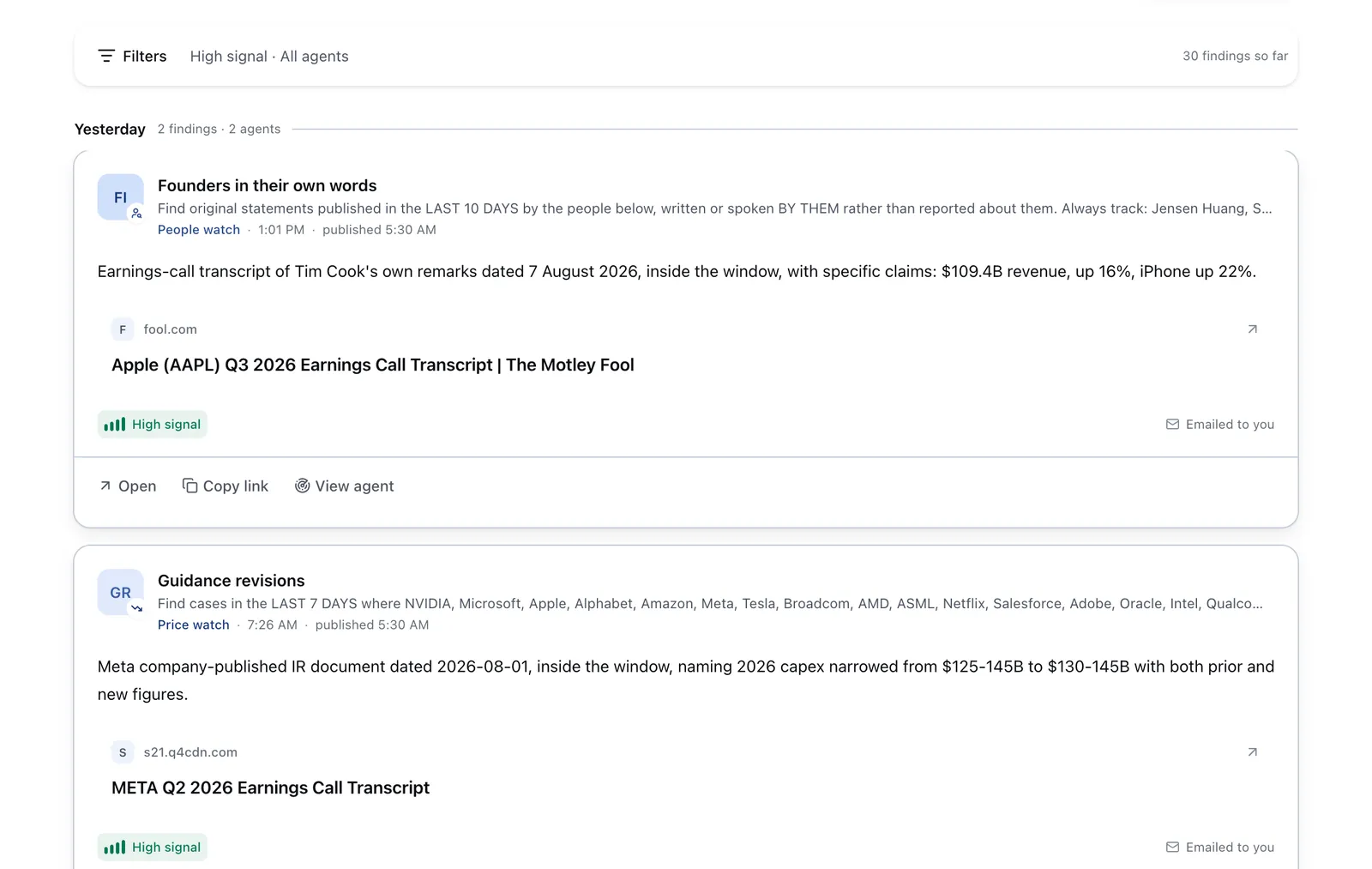
Run it on Parlel
Build a digest that watches remote infra titles against your stack instead of refreshing five boards manually.
agent: devops_remote_watch
profile.skills: terraform, kubernetes, aws, github_actions, prometheus
titles: devops, sre, platform engineer, cloud engineer
filters: remote_eligible, timezone_overlap_optional
digest: tue_thu_18:00
fields: company, role, stack_keywords, location_rule, employer_url
Digest shape: { role, company, matched_skills, location_eligibility }. Browse live openings on /jobs, confirm the employer careers page, and keep your profile searchable for founders and agents monitoring infra talent.
Keep reading
Frequently asked questions
Where can I find remote DevOps jobs?
Start with Remote OK, Dice, Wellfound, LinkedIn, and direct careers pages. Search SRE, platform, and cloud titles in the same pass.
What skills do remote DevOps jobs require?
Common requirements include cloud platforms, infrastructure as code, containers/Kubernetes, CI/CD, Linux, and scripting. Observability and incident response matter for SRE-leaning roles.
Are remote SRE jobs different from DevOps jobs?
Often yes. SRE postings emphasize SLOs, error budgets, and on-call reliability. DevOps postings may lean more toward delivery pipelines and environment automation. Read the ownership section.
Do remote DevOps roles hire worldwide?
Some do; many do not. Country, timezone, payroll entity, and contractor status are listed separately from the remote badge. Verify before investing time.
How should I prepare for a remote DevOps interview?
Practice infra-focused system design, pipeline debugging, scripting, and a clear incident story with metrics. Document how you collaborate async during outages.
Should I specialize or stay generalist?
A clear lane (for example Kubernetes platforms or CI/CD) usually screens better than an undifferentiated tool dump, especially at mid and senior levels.