Frontend developer jobs remote remain one of the more accessible distributed engineering markets, especially for React and TypeScript. Employers still care about UI craft, accessibility, performance, and product polish, not only component syntax. “Remote” may mean country-limited employment, timezone overlap, or contractor status. This guide covers where to look, what skills clear screens, how to prove frontend quality in a portfolio, and how to verify eligibility before you invest in a take-home.
This page was reviewed on September 30, 2026.
TL;DR
- Prioritize React/TypeScript depth, accessibility, testing, and performance stories.
- Search Wellfound, YC Jobs, LinkedIn, Dice, remote boards, and company ATS pages.
- Verify country, overlap hours, and employment type on the employer page.
- Show shipped UI: public apps, design-system work, or detailed case studies.
- Use Payscale and Levels.fyi as pay context; confirm bands in each process.
What remote frontend roles look like
| Focus | Day-to-day | Signals in the JD |
|---|---|---|
| Product frontend | Features, UX states, design collaboration | React, design system, A/B tests |
| Platform / design system | Shared components, docs, tokens | Accessibility, versioning, DX |
| Full-stack leaning | Frontend plus API ownership | Node, GraphQL, “comfortable in backend” |
| Mobile web / RN | Cross-platform UI | React Native, release trains |
If you are earlier in the path, pair this with how to become a software engineer. Broader remote SWE tactics sit in remote software engineer jobs.
Skills that clear the first screen
Common must-haves:
- Strong JavaScript and TypeScript fundamentals.
- One modern framework deeply (React is the most frequent ask).
- CSS layout competence (not only copy-pasted utility classes).
- Accessibility basics (semantics, keyboard paths, contrast).
- Testing: unit tests and some UI or integration testing.
- Performance instincts: bundle size, rendering cost, Core Web Vitals awareness.
- Git, code review, and clear pull request writing.
Nice-to-haves: Next.js or similar meta-frameworks, Storybook, GraphQL, design tokens, mobile web nuance, and comfort pairing with designers in Figma.
Where to find frontend developer jobs remote
| Source | Best use | Caution |
|---|---|---|
| Wellfound | Startup frontend seats | Equity and stage fit |
| Y Combinator Jobs | YC company UI roles | Eligibility limits |
| Volume + recruiters | Reposts | |
| Dice | Tech inventory | Contract vs FTE labels |
| Remote OK / Jobspresso / Remote Rocketship | Extra remote leads | Verify ATS |
| MDN + roadmap learning | Skill building, not jobs | Keep shipping |
| Parlel /jobs | Startup-leaning openings | Verify employer |
Use remote job boards for discovery, then open the employer ATS every time.
Portfolio proof that works for remote hiring
Remote teams hire from writing and artifacts as much as from onsite whiteboards.
Strong artifacts:
- A production feature writeup: problem, UX states, accessibility notes, performance budget, result.
- A small design-system contribution with API rationale.
- A public repo with clean README, tests, and sensible commits.
- Before/after performance measurements you can defend.
Weak artifacts:
- Tutorial clones with no decisions explained.
- Giant unfinished dashboards.
- Pixel replicas with inaccessible markup.
Bullet pattern
Shipped [UI surface] in [stack] for [users].
Improved [metric: LCP, conversion, task time, a11y issues] by [change].
Partnered with design on [states]; covered [tests] and documented [edge cases].
Compensation signals
- Payscale front end developer / engineer
- Levels.fyi software engineer when companies level frontend like SWE
- Employer-published bands on the ATS
Geo-based remote pay is common. Ask how bands work before anchoring on a single city.
Remote eligibility checklist
- Country and legal employer.
- Required overlap with design and backend.
- Equipment and security requirements.
- On-call or release-train expectations.
- Whether “frontend” means browser only or also RN/native shells.
If the board says worldwide and the ATS says US-only, trust the ATS.
Interview patterns for frontend
| Stage | What to practice |
|---|---|
| JS/TS fundamentals | Closures, async, types, data structures |
| UI coding | Build a small interactive component with states |
| System / component design | Data fetching, caching, error/empty/loading |
| Accessibility | Keyboard flows, ARIA only when needed |
| Behavioral | Design disagreement, production UI bug, tradeoffs |
Bring questions about design partnership, quality bar, and how they measure frontend health.
Learning paths that stay practical
- Follow a structured frontend roadmap and ship weekly, not endlessly bookmark articles. roadmap.sh frontend is a useful map.
- Use MDN Learn web development for fundamentals you can cite accurately.
- Prefer one deep stack over five shallow framework tours.
Weekly search and craft rhythm
| Day | Action |
|---|---|
| Mon | Pull 10 remote frontend reqs; save ATS links |
| Tue | Verify eligibility; shortlist 3 |
| Wed | Tailor applications with matching UI evidence |
| Thu | Ship a small portfolio improvement |
| Fri | Follow up; practice one timed UI exercise |
Illustrative path (not a guarantee)
A designer-turned-engineer with strong React ships an accessible dashboard case study, applies to product frontend roles rather than deep WebGL seats, and filters out hybrid-only “remote” cards. Screens improve because the packet matches UI ownership language in the JDs.
Take-home UI exercises: how to shine
When a company sends a small app brief:
- Clarify browser targets and timebox.
- Include loading, empty, and error states.
- Add basic tests for critical logic.
- Note accessibility decisions in the README.
- Avoid installing every trendy library; prefer boring clarity.
If the brief expands into a multi-day product build with no pay and no feedback promise, decline politely and ask whether a shorter live session is available.
Design collaboration in remote teams
Strong remote frontend engineers describe how they work with design: commenting in Figma, negotiating motion vs performance, and handling incomplete specs. Bring an example where you pushed back on an inaccessible pattern and proposed an alternative that still met the visual goal.
TypeScript depth interviewers notice
Be ready to explain unions, narrowing, generics at a practical level, and how types prevented a production bug. You do not need type-theory trivia. You need evidence that TypeScript is a tool you use for UI correctness, not only a linter checkbox.
Boards and filters that surface remote frontend roles
Search title variants: Frontend Engineer, UI Engineer, Web Engineer, React Engineer, Design Engineer. Filter by remote eligibility, then read the country and timezone line. Useful starting points include Remotive, We Work Remotely, Wellfound, and company career pages. Dice and LinkedIn help for volume; always verify the employer domain before a take-home.
| Filter | Why it matters |
|---|---|
| Country / region eligibility | “Remote” is rarely worldwide |
| Stack keywords | React/TypeScript vs Vue/Svelte vs design-systems focus |
| Seniority | Mid roles often hide IC ownership expectations |
| Contract vs full-time | Payroll and benefits differ sharply |
Keep a weekly cadence: three new verified applications beat twenty unfocused Easy Applies. Pair this with remote software engineer jobs for adjacent SWE openings.
Portfolio evidence remote teams actually open
Prefer live demos or public repos over screenshot decks. Each project should state the problem, your ownership boundary, performance or accessibility constraints, and what you would change next. One production bug writeup with before/after metrics often outperforms five tutorial clones. If work is proprietary, rebuild a thin public slice that shows the same judgments.
Interview loop map for frontend
Expect some mix of: JavaScript fundamentals, React/component design, CSS layout, accessibility, system design for a UI, and a behavioral round on collaboration. Practice explaining trade-offs out loud for 90 seconds. Remote panels cannot see your whiteboard confidence; they hear structure. Record one mock session weekly until your answers stay under two minutes without trailing off.
Performance and accessibility stories that score well
Prepare one performance story (measured LCP/INP or bundle reduction) and one accessibility story (keyboard path, focus management, or semantic fix). Remote panels cannot watch you hover a mouse in an office; they need narratable proof.
Component API design as an interview topic
Be ready to design a reusable component: props, controlled vs uncontrolled behavior, accessibility contracts, and versioning. Talk about breaking changes and documentation. Design-system leaning roles weight this heavily.
Contract vs full-time remote frontend work
Contract roles may pay higher hourly with less stability and fewer benefits. Confirm IP assignment, non-solicit clauses, and whether tools licenses are provided. If you want full-time only, filter early so you do not spend weekends on contract take-homes.
Keep a living “UI bug autopsy” note for interviews: symptom, reproduction, root cause, fix, and regression test. That single artifact covers debugging, testing, and communication in remote loops.
If you are changing stacks, ship one small production-like app in the target stack before applying widely. Interviewers can tell the difference between a weekend clone and a system you can defend.
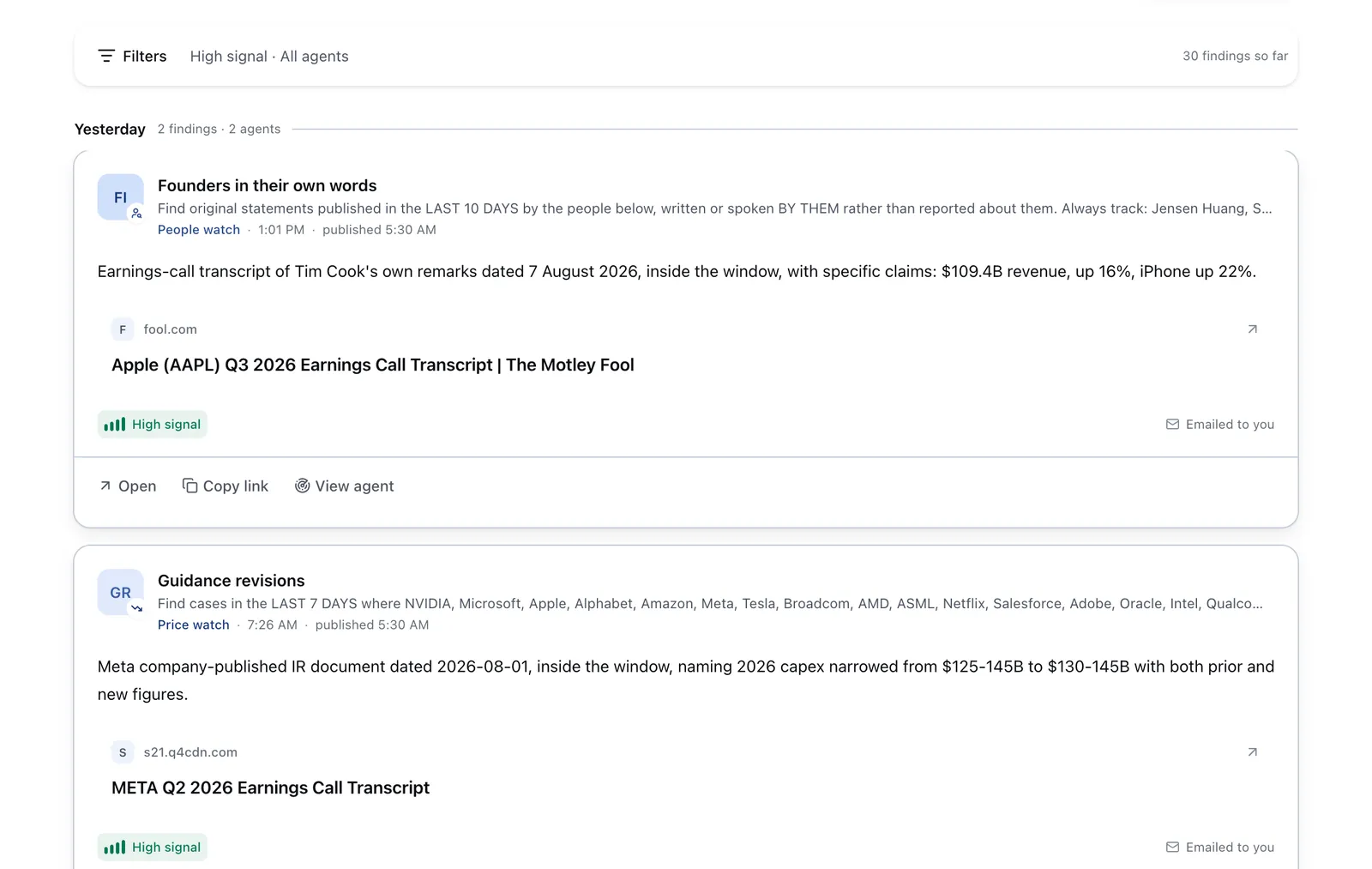
Run it on Parlel
Watch remote frontend openings and keep a profile that states stack, domain, and timezone.
agent: frontend_remote_watch
keywords: frontend engineer, react, typescript, ui engineer
filters: remote_eligible
digest: mon_thu
fields: company, title, location_rule, stack_keywords, apply_url
Digest shape: { company, title, location_rule, stack_keywords, verify }. Browse /jobs, publish a clear profile via /signup, and verify employer pages before take-homes.
Keep reading
Frequently asked questions
Are frontend developer jobs remote still hiring in 2026?
Yes, though competition is real. Clear product UI ownership and strong TypeScript/React evidence beat generic “3 years CSS” claims.
Do I need Next.js for remote frontend jobs?
Often helpful, not universal. Prove React fundamentals and shipping judgment first; add meta-framework experience when the JD asks.
Is a computer science degree required?
Not always. Many teams hire on portfolio and interview performance. Some employers still filter on degrees; apply widely and read each JD.
How important is accessibility for frontend interviews?
Increasingly important. You should be able to build keyboard-friendly UI and explain semantic HTML choices.
Should I accept unpaid design tests?
Clarify time expectations. A short practical exercise is common; multi-day unpaid product builds are a bad sign.
What if I am stronger in Vue or Svelte than React?
Apply to matching stacks and be honest. Some React teams will still interview you if fundamentals and UI craft are excellent, but expect framework-specific rounds.