Engineers searching for a “NeetCode roadmap” usually want a structured path through data structures and algorithms instead of random LeetCode grinding. NeetCode popularized a free, pattern-ordered problem map and curated lists (often discussed as 75 / 150 / larger sets). This guide explains that public roadmap concept honestly, how to study without trademark confusion, and how to combine pattern practice with system design and behavioral prep.
This page was reviewed on September 30, 2026.
TL;DR
- A roadmap beats random problems: learn patterns in a sensible order, then deepen.
- Start with arrays/hashing fundamentals, then pointers, trees, graphs, and DP as your timeline allows.
- Prefer timed, unaided attempts; use solutions as teachers, not as copy-paste shortcuts.
- Pair DSA drills with system design interview questions and behavioral interview questions.
- Track weak patterns weekly; stopping at “I recognized the tag” is not mastery.
What people mean by a NeetCode roadmap
In interview culture, “NeetCode roadmap” generally refers to a graph of topics (arrays and hashing, two pointers, sliding window, binary search, stacks, linked lists, trees, tries, heaps, backtracking, graphs, dynamic programming, intervals, greedy, and related advanced areas) with curated practice problems under each node. The pedagogical idea is simple: solve problems in an order that builds prerequisites, watch or read a solution when stuck, then revisit until you can re-implement without notes.
NeetCode is a brand and site many candidates use. This article describes the study method and topic sequence as a public interview-prep pattern. For a parallel free skill map across engineering tracks, see roadmap.sh. Neither resource replaces deliberate practice or company-specific interview formats.
Suggested topic order (pattern map)
Use this as a default sequence. Adjust if your target companies overweight certain topics.
| Stage | Topics | Why this order |
|---|---|---|
| 1 | Arrays, hashing, strings | Fast feedback; core of many screens |
| 2 | Two pointers, sliding window | Builds on arrays without full graph theory |
| 3 | Stack, binary search | Common medium patterns |
| 4 | Linked lists, trees, BST | Pointer and recursion fluency |
| 5 | Heaps, tries | Specialized structures that still appear |
| 6 | Graphs (BFS/DFS), backtracking | Search and state-space problems |
| 7 | 1-D DP, intervals, greedy | Optimization patterns |
| 8 | 2-D DP, advanced graphs, bits | Stretch goals when time allows |
If you have only four weeks, favor stages 1–6 mediums over finishing every hard DP variant.
75 vs 150 vs “all the problems”
Public discussion often contrasts a shorter essential list (~75), a broader interview set (~150), and much larger banks. Practical guidance:
| Goal | List strategy | Risk to avoid |
|---|---|---|
| Rush screen in ≤4 weeks | Shorter essential list, easy+medium first | Skipping fundamentals |
| Standard prep 8–12 weeks | Broader ~150-style coverage | Collecting checks without recall |
| Competitive / deep prep | Expand after weak-pattern review | Infinite backlog anxiety |
You do not need every problem in a mega-list. You need recalled patterns under time pressure.
How to practice each problem (loop)
- Attempt for 15–25 minutes without opening a solution.
- Classify the stuck point: API unfamiliarity, wrong pattern, or implementation bug.
- Study a solution (video or written) until you can explain it aloud.
- Re-implement from blank the same day or next day.
- Spaced repeat 3–7 days later without notes.
Looking at solutions is not cheating when the goal is learning. It becomes useless when you only nod along and never rebuild.
Exponent and similar interview coaches emphasize structured practice and mock interviews alongside problem lists (tryexponent.com). Use mocks to expose communication gaps DSA drills hide.
Weekly schedule template
| Day | Focus |
|---|---|
| Mon–Thu | 1–2 new pattern problems + 1 review |
| Fri | Timed medium mixed set (2–3) |
| Sat | Weak-pattern repair only |
| Sun | Light review or rest; optional behavioral stories |
Protect sleep. Marathon weekends of hard problems with zero recall practice underperform steady spaced work.
Beyond DSA: the rest of the loop
Coding interviews are one gate. Mid and senior loops add:
- System design: capacity, APIs, storage, failure modes (system design interview questions)
- Behavioral: ownership, conflict, impact stories (behavioral interview questions)
- Role fit: language, domain, and team constraints
If you are still building the career foundation, pair this roadmap with how to become a software engineer.
Common failure modes
| Failure | Fix |
|---|---|
| Tag surfing without implementation | Close the tag list; type code |
| Memorizing editorial code | Change variable names and re-derive |
| Only easy problems | Schedule mediums deliberately |
| Ignoring complexity analysis | State time/space before coding |
| Skipping communication | Narrate approach in mocks |
| Burnout | Cap daily new problems; prioritize review |
Tracking sheet (copy this)
| Field | Example |
|---|---|
| Pattern | Sliding window |
| Problem | Longest substring without repeat |
| First attempt | Fail / partial / pass |
| Re-solve date | YYYY-MM-DD |
| Still shaky? | Yes/No |
| Notes | Need cleaner invariant |
Review the “still shaky” column every Sunday. That column is the real roadmap.
Language and tooling notes
Pick one interview language and stay fluent (Python, Java, C++, or JavaScript/TypeScript are common). Know your standard library: hash maps, heaps, deque, and binary search helpers. GitHub practice repos are optional; clarity beats a massive private folder of half solutions (GitHub Docs if you organize notes in git).
Pattern cheat-sheet (what each family trains)
| Pattern family | Typical question shape | Skill you are building |
|---|---|---|
| Arrays / hashing | Frequency, membership, anagrams | Constant-time lookups |
| Two pointers | Sorted pair sums, partitions | Invariants on indices |
| Sliding window | Substring / subarray constraints | Expand-shrink discipline |
| Binary search | Search space on answer or array | Boundary thinking |
| Stack | Next greater, validity, monotonic | Deferred decisions |
| Linked list | Reverse, cycle, merge | Pointer safety |
| Trees | DFS/BFS traversals, BST properties | Recursion frames |
| Graphs | Shortest path in unweighted, components | State and visited sets |
| Backtracking | Combinations, constraints | Undo and prune |
| Dynamic programming | Optimal substructure | Subproblem definition |
| Intervals | Merge, schedule | Sorting + sweep |
| Heap | Top-k, streaming median | Priority trade-offs |
When you miss a problem, tag the family first, then the specific bug. Review by family on Saturdays. That is how a roadmap becomes memory rather than a checklist.
Combining roadmap practice with company loops
Different companies weight topics differently. Some screens are almost entirely arrays/strings/hashing. Others jump to graphs and DP quickly. Read recent interview experiences cautiously (they can be wrong or outdated) and prioritize according to your target list. If you have an onsite in two weeks, freeze new patterns and drill weak families plus communication.
System design prep should not wait until DSA is “finished.” Alternate: three DSA weekdays, one design study block, one behavioral story rewrite. Guides for those tracks: system design interview questions and behavioral interview questions. Career foundation still matters if you are early: how to become a software engineer.
Honest limits of any public roadmap
A curated list cannot know your baseline, hours, or target level. It cannot replace debugging fluency in your language. It cannot teach team collaboration. Treat the roadmap as a syllabus, not a talisman. Candidates who “finish the list” yet fail screens usually skipped timed re-solves and spoken explanation. Candidates who finish 60% with strong recall and mocks often outperform list completionists.
Use roadmap.sh for broader engineering skill maps when your gap is not DSA at all (Git, SQL, HTTP). Use mock platforms or peers for pressure. Paid courses are optional amplifiers.
30/60/90 interview-prep milestones
| Milestone | Evidence you are on track |
|---|---|
| Day 30 | Clean solutions for core array/hash/window mediums |
| Day 60 | Trees/graphs comfort; can narrate approaches |
| Day 90 | Timed mixed sets + at least two mocks reviewed |
If milestones slip, cut scope before cutting review. Review is the compound interest.
Mock interview checklist
| Check | Pass criteria |
|---|---|
| Clarifying questions | You restate constraints before coding |
| Approach | You outline brute force then optimize |
| Coding | You narrate without freezing on syntax |
| Testing | You propose cases including edges |
| Complexity | You state time and space honestly |
| Recovery | You debug calmly when a case fails |
Record mocks when possible. Watching yourself skip tests is uncomfortable and useful. Exponent-style structured practice (tryexponent.com) or peer mocks both work; consistency matters more than brand.
Avoiding roadmap identity trap
Your worth is not a solved-count. Engineers with production impact and weaker DSA can still pass many loops with focused prep; strong grinders without system sense fail senior loops. Keep shipping or learning real software alongside drills when possible so interviews do not become your only craft. For career framing beyond interviews, keep how to become a software engineer in view.
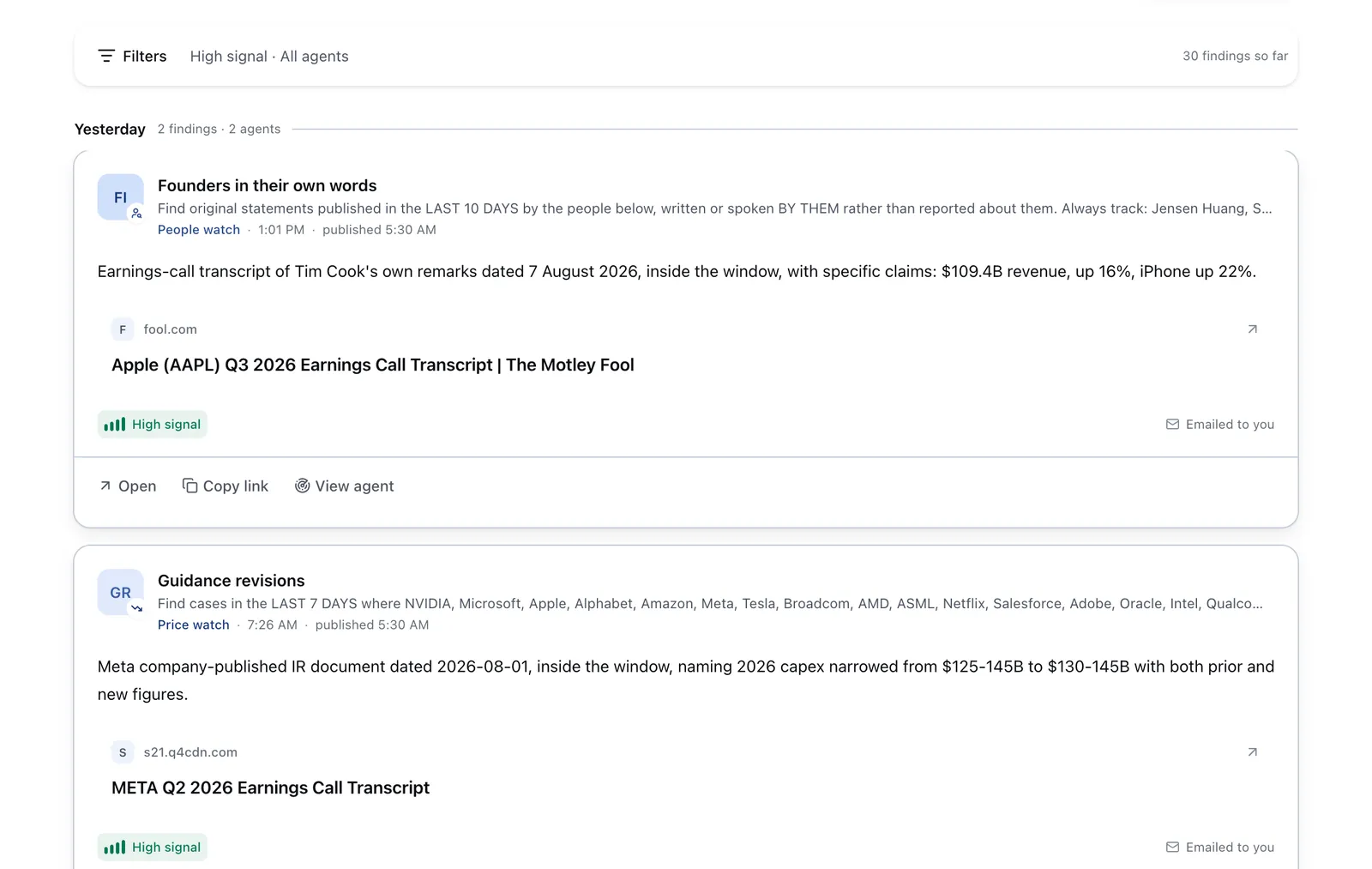
Run it on Parlel
While you drill patterns, keep a profile and job watch so interviews arrive when your recall is hot.
agent: interview_prep_sync
skills_focus: dsa_patterns, system_design, behavioral
digest: sunday_18:00
fields: companies_interviewing, next_mock, weak_patterns
profile.skills: python, algorithms, system_design
profile.open_to_work: true
Digest shape: { weak_patterns, next_mock_date, roles_matching_stack }. Browse /jobs for target titles and keep your public profile honest about seniority while you prep.
Keep reading
Frequently asked questions
Is the NeetCode roadmap enough for FAANG interviews?
It is a strong DSA structure used by many candidates, not a guarantee. Company loops also test design, behavioral fit, and role-specific skills. Combine pattern practice with mocks.
Should I finish every hard problem on a large list?
Usually no. Prioritize mediums in core patterns, then selectively add hards in your weak areas.
How is this different from Blind 75?
Blind 75 is another curated shortlist widely discussed in interview communities. NeetCode-style maps often include overlapping classics with a visual topic order. Use one primary list to avoid thrash.
Can I use AI to explain solutions?
Yes as a tutor, with care: verify complexity, edge cases, and that you can recode without the model. Do not submit AI-written live interview code as your own thinking.
How long until I am “ready”?
Readiness is when you can solve representative mediums in time and explain trade-offs calmly. Calendar length varies by hours per week and baseline.
Do I need paid courses?
Not necessarily. Free roadmaps, problem lists, and disciplined review can work. Paid courses help some people with accountability and visuals; they do not replace reps.