Network engineer jobs cover design, build, automation, and operations for enterprise, cloud, and service-provider networks. Some roles are still site-tied because of data centers, campuses, or cleared facilities. Others are remote-friendly when the work is cloud networking, SD-WAN, or automation. This guide maps role types, skills and certifications employers filter on, where to search, and how to read pay data without inventing numbers.
This page was reviewed on September 30, 2026.
TL;DR
- Separate campus, data center, cloud, and security-leaning network roles before you apply.
- CCNA remains a common screen; CCNP, cloud networking, and automation skills unlock senior seats.
- Remote network engineer jobs exist, but many still require travel, on-call, or country limits.
- Use O*NET / wage neighbors and Payscale as context; confirm bands in each process.
- Pair Dice, LinkedIn, company ATS pages, and remote boards; verify every listing.
Types of networking engineer jobs
| Track | Typical work | Remote likelihood |
|---|---|---|
| Campus / enterprise LAN-WAN | Switching, wireless, NAC, branch | Often hybrid or onsite |
| Data center | Fabrics, BGP, EVPN, optics | Mixed; some remote design roles |
| Cloud networking | VPC design, hybrid connectivity, firewalls as code | Higher remote share |
| Network automation | Python, Ansible, Terraform, CI for network changes | Higher remote share |
| Security-adjacent | Segmentation, Zero Trust, secure access | Mixed; overlaps cyber careers |
If you are exploring security pivots, read cybersecurity career path. Software-leaning remote search habits also appear in remote software engineer jobs.
Skills and certifications that matter
Core skills
- TCP/IP, routing, switching, DNS, DHCP, VPN.
- Troubleshooting under pressure with clear documentation.
- Change control and rollback discipline.
- Basic scripting for repeatable work (Python shows up often).
- Cloud networking concepts on at least one major cloud.
Certification ladder (practical view)
| Credential | Common use |
|---|---|
| CompTIA Network+ | Early foundation when you lack experience |
| Cisco CCNA | Frequent ATS and recruiter filter |
| Cisco CCNP Enterprise (or equivalent vendor pro) | Mid/senior design credibility |
| Cloud networking specialty (AWS/Azure/GCP) | Cloud and hybrid roles |
| Automation-focused certs / strong Git portfolio | Network engineer roles that code |
Certifications help you pass filters. Labs, tickets closed, and outage writeups help you pass interviews.
Where to find network engineer jobs
| Source | Best use |
|---|---|
| Dice | Tech and IT-heavy US inventory |
| Volume, recruiters, and company pages | |
| Company ATS (Workday, Greenhouse) | Source of truth for remote rules |
| Remote boards | Discovery only; verify eligibility |
| Cleared / government-adjacent boards | When citizenship and clearance matter |
| Parlel /jobs | Startup and product-company adjacent roles |
Use remote job boards as a discovery layer, then open the employer page before deep prep.
Remote vs onsite reality checks
Ask early:
- Is the role remote inside one country only?
- How often is data center or office travel required?
- Are there after-hours change windows in a specific timezone?
- Do you need a home lab allowance or company hardware?
- Is clearance or citizenship required?
A “remote” card that requires weekly site visits is hybrid. Label it correctly in your tracker so you do not waste loops.
Salary and labor-market context
O*NET publishes occupational summaries that map closely to network design and administration work. Review Computer Network Architects (O*NET 15-1241.00) for tasks and wage context links. For a market snapshot titled network engineer, see Payscale’s network engineer page.
Treat any single website’s median as a dated sample. Level, cloud vs campus focus, on-call load, and geography move offers more than a headline average.
Application checklist
- Mirror the posting’s protocols and vendors in your resume only if you can defend them.
- Lead with incidents and designs: problem, action, result, blast radius avoided.
- Link a lab writeup or automation repo when applying to automation-heavy roles.
- Confirm remote eligibility on the ATS page.
- Prepare a 90-second story about a production outage you helped stabilize.
Bullet pattern
Designed/implemented [network change] for [environment].
Automated [task] with [tool], cutting change time from X to Y.
Led incident response for [symptom]; restored service in [time]
and added [monitoring/runbook] to prevent repeat.
Career progression
Common ladder:
- Help desk / NOC / junior network technician
- Network engineer
- Senior / automation-focused engineer
- Architect or engineering manager
Automation and cloud skills reduce the chance your career stalls on CLI-only work. Security fundamentals help if you later move toward detection or architecture roles described in the cybersecurity path guide.
Interview themes
- Explain a routing loop or asymmetric path you debugged.
- Design a hybrid cloud connectivity pattern and name failure modes.
- Walk through a change you automated and how you tested it.
- Describe documentation you left for the next on-call engineer.
- Behavioral: conflict with a vendor or impatient stakeholder during an outage.
Weekly search rhythm
| Day | Action |
|---|---|
| Mon | Dice + LinkedIn saved searches for your track |
| Tue | Verify ATS pages; drop clearance mismatches early |
| Wed | Two tailored applications with incident bullets |
| Thu | Lab or automation commit you can cite |
| Fri | Recruiter follow-ups; update tracker |
Home lab and portfolio ideas that interviewers respect
You do not need a full rack. Useful evidence includes:
- Packet captures explaining a real bug you solved in a lab
- Ansible or Terraform that configures a small routed topology
- A writeup of BGP or OSPF behavior under a failure you induced
- Cloud networking diagrams for hybrid connectivity with failure modes labeled
Host writeups where reviewers can read them without an account wall when possible.
On-call and change-window expectations
Ask how after-hours work is compensated and how often changes land outside business hours. Remote network roles can still demand evening maintenance windows in a specific region. If you cannot meet those windows, say so early.
Moving toward architecture or security
Senior paths often split between network architect work and security engineering. Architect tracks emphasize design standards and multi-year roadmaps. Security-adjacent tracks emphasize segmentation, Zero Trust access, and partnership with SOC teams. Choose projects and certifications that support the track you want rather than collecting every badge.
Job search channels for network engineer roles
Campus, ISP, enterprise, and cloud-network roles live in different markets. Use:
| Channel | Fit |
|---|---|
| Company careers + LinkedIn | Enterprise and ISP volume |
| Dice / specialized IT boards | Network and infrastructure titles |
| Wellfound / startup boards | Cloud networking at product companies |
| Government / cleared listings | Roles with citizenship or clearance rules |
Always confirm whether the role needs onsite installs, truck rolls, or after-hours change windows in a specific metro. “Remote network engineer” postings sometimes still require quarterly site visits. For security-adjacent moves, pair this guide with cybersecurity career path.
Resume bullets that pass network screens
Weak: “Configured routers and switches.” Stronger: “Automated VLAN provisioning for 40 branch sites with Ansible; cut change time from two hours to twenty minutes and documented rollback.” Include protocols you can defend in an interview (BGP, OSPF, EVPN, Wi-Fi design, load balancers, firewalls, SD-WAN). List lab evidence and certifications you actually hold. Do not invent vendor logos.
Interview prep checklist
- Draw a simple enterprise or cloud network and narrate failure modes.
- Explain a troubleshooting incident with symptoms, hypothesis, proof, and fix.
- Show one automation snippet and what guardrails you used.
- Ask about on-call, change freezes, and ticket SLAs.
- Clarify employment entity, travel, and remote country eligibility before late rounds.
Resume keywords that match networking engineer jobs
Mirror the posting’s protocol and vendor language only when true: BGP, OSPF, EVPN, VXLAN, SD-WAN, Palo Alto, Cisco, Juniper, Arista, AWS Direct Connect, Azure ExpressRoute, Terraform, Ansible. Put the strongest matches in the top third of the resume. Add a lab or production project line that proves the keyword is not decorative.
Interview lab prompts to practice
- Trace a packet from laptop to cloud service across VPN and explain NAT points.
- Design redundant internet edge for a mid-size office.
- Explain how you would automate a VLAN change with review gates.
- Debug intermittent loss using monitoring and captures.
- Compare brownfield campus upgrades versus greenfield cloud networking.
Speak in cause-and-effect. Interviewers hire judgment under incomplete information.
Relocation and hybrid negotiation notes
If a role is listed remote but the team wants quarterly onsite weeks, ask who pays travel and how often. If you need relocation later, separate that conversation from the technical loop. Do not discover a hard onsite requirement after resigning your current job.
Remote network interviews also probe documentation habits. Bring an example of a runbook someone else used successfully during an incident without calling you.
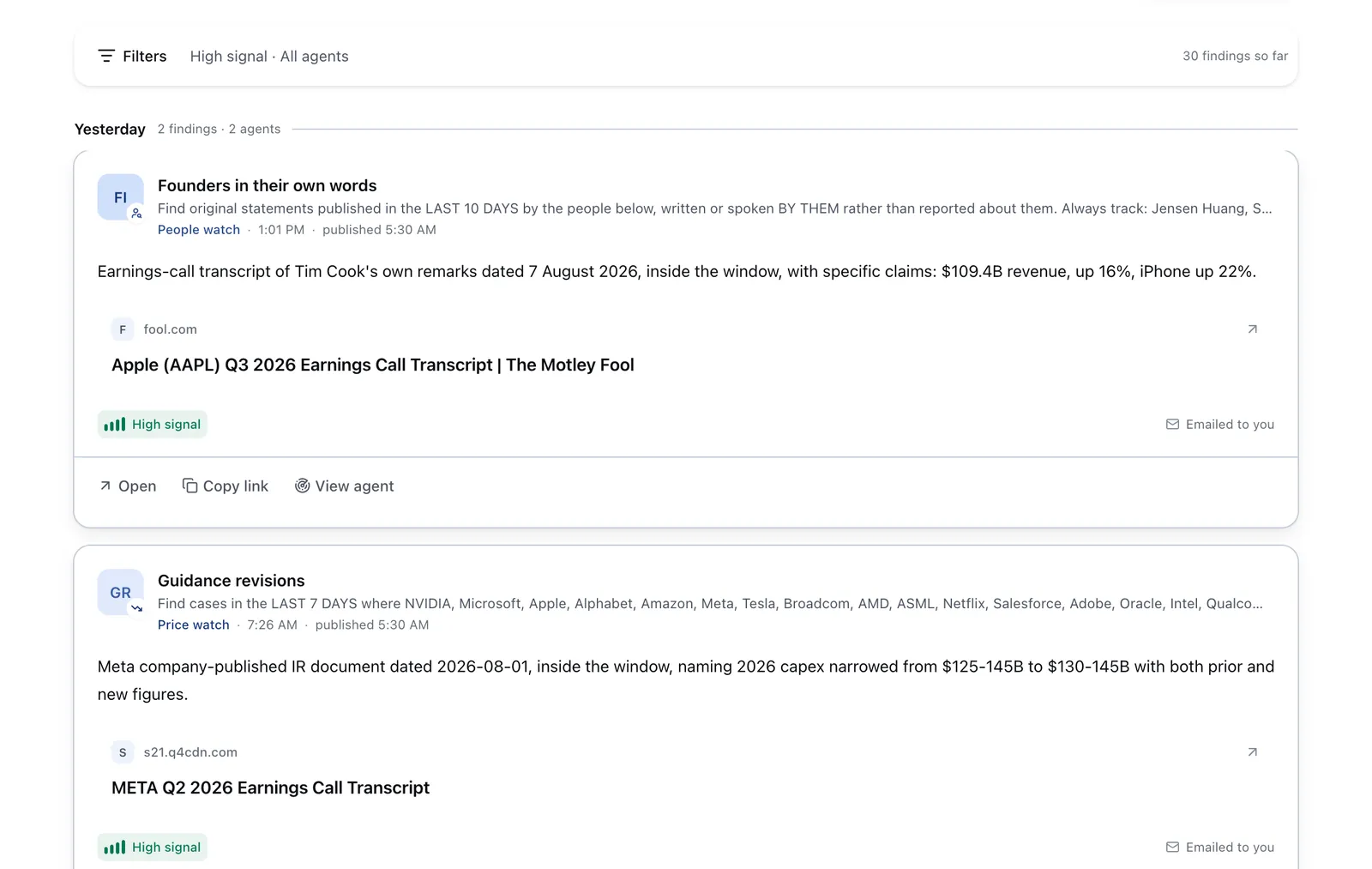
Run it on Parlel
Watch for network, platform, and infrastructure openings that match your track and location rules.
agent: network_jobs_watch
keywords: network engineer, cloud network, network automation, sre networking
filters: remote_or_target_metro
digest: weekly
fields: company, title, location_rule, certs_mentioned, apply_url
Digest shape: { company, title, location_rule, certs_mentioned, verify_employer }. Browse /jobs and keep a clear skills profile after /signup.
Keep reading
Frequently asked questions
Are network engineer jobs going remote?
Some cloud and automation roles are remote-friendly. Campus wireless, physical installs, and cleared facilities often stay hybrid or onsite. Read the travel line every time.
Is CCNA required for network engineer jobs?
Not legally required, but many employers and ATS filters treat it as a practical baseline. Experience can substitute when it is obvious and well evidenced.
What is the difference between network engineer and network administrator jobs?
Titles blur. Engineer postings often emphasize design and projects; administrator postings may emphasize operations. Compare responsibilities, not titles alone.
Do network engineers need coding skills in 2026?
Increasingly yes for competitive roles: Python, Ansible, Terraform, or API-driven changes. Pure CLI-only paths still exist but narrow over time.
How do I move from help desk into networking engineer jobs?
Earn a foundational cert, take network tickets, build a home lab, document troubleshooting writeups, and apply to NOC or junior network roles first.
Where should India-based candidates look?
Combine global remote boards with local employers and CTC-aware postings, then verify employment entity and notice expectations before accepting interviews.