Platform engineer jobs focus on building the internal products other engineers use to ship software: paved roads for CI/CD, environments, observability, and self-service infrastructure. The role sits beside DevOps and SRE but emphasizes product thinking for internal customers, not only keeping systems alive. This guide clarifies the distinction, lists skills postings repeat, shows where roles appear, and outlines how to transition from related paths.
This page was reviewed on September 30, 2026.
TL;DR
- Platform work treats infrastructure and tooling as products with users, SLAs, and adoption metrics.
- Common stack signals: Kubernetes, Terraform/Pulumi, cloud IAM, CI orchestration, and developer portals.
- Strong transitions come from senior DevOps, SRE, or backend engineers who felt platform pain firsthand.
- Show golden paths you built, toil you removed, and how you measured developer adoption.
- Search “platform engineer,” “IDP,” “developer experience,” and “cloud platform” together.
Platform vs DevOps vs SRE
| Role | Primary customer | Success looks like |
|---|---|---|
| Platform engineer | Internal developers | Self-service paths, lower friction, clear docs |
| DevOps engineer | Delivery pipeline + ops | Automation of build/deploy/operate loops |
| SRE | Reliability of services | Error budgets, incident learning, SLOs |
| Cloud engineer | Cloud estate | Accounts, networking, cost, landing zones |
Titles blur. Read for internal developer platform (IDP) language, paved-road metaphors, and ownership of self-service workflows. Adjacent remote ops careers are covered in devops jobs remote; general remote eng search hygiene lives in remote software engineer jobs.
Skills platform postings emphasize
- Kubernetes and containers: cluster operations plus developer-facing abstractions
- Infrastructure as code: Terraform, Pulumi, Crossplane, or equivalents
- CI/CD systems: reusable pipelines, progressive delivery, policy gates
- Cloud fluency: AWS, GCP, or Azure IAM and networking fundamentals
- Observability: metrics, logs, traces as a product surface
- Software engineering habits: testing, code review, API design for internal tools
- Product sense: interviews with internal users, roadmap trade-offs, docs
| Evidence | Example |
|---|---|
| Golden path | “New service scaffold deploys with auth, metrics, and pipeline defaults” |
| Toil reduction | Automated certificate or environment provisioning with measured time saved |
| Guardrails | Policy-as-code that prevents common foot-guns without ticket hell |
| Adoption | Percentage of teams on the paved road (only if you can explain the metric) |
AWS learning resources help fill cloud gaps when your target stack is AWS-heavy (AWS). Pair skills study with roadmap.sh paths for devops/backend fundamentals when you are leveling up deliberately.
Where to find platform engineer jobs
| Source | Best use |
|---|---|
| Platform + IDP + DevEx title alerts | |
| Wellfound | Startup platform / founding infra roles |
| Y Combinator Jobs | YC companies investing in platform early |
| Indeed / Dice | Broader enterprise volume |
| Company engineering blogs + careers | Signal that a platform team exists |
Startup platform roles may mean “wear every infra hat.” Use startup job boards and ask whether the mandate is IDP product work or classic ops under a new title.
Career transitions that work
| From | Pivot move |
|---|---|
| DevOps | Reframe automation as an internal product with users and docs |
| SRE | Extend reliability tooling toward developer self-service |
| Backend | Move down-stack into shared platforms you already depended on |
| Cloud architect | Ship implementation and developer UX, not only diagrams |
Junior-only cloud certs without production scars are a weaker fit; hiring managers often want people who have lived through ticket-driven infra pain.
Interviews and portfolio
Expect system design for an IDP slice (for example, “design environment provisioning”), Kubernetes debugging scenarios, IaC review, and behavioral questions about influencing teams without authority.
Portfolio ideas
- Public Terraform modules with tests and README
- A demo developer portal or backstage-style catalog (even small)
- Postmortem or design doc (redacted) showing trade-offs
- CI reusable workflow others can copy
Illustrative design prompt answer structure: users → current pain → API/CLI surface → control plane vs data plane → security boundaries → rollout and measurement.
Compensation and leveling notes
Public blog ranges for platform roles vary widely by metro, company tier, and equity. Treat any third-party band as directional. Confirm base, bonus, equity, and on-call expectations in the offer process. Levels.fyi-style sites and recruiter conversations help triangulate; do not paste invented medians as facts in your own materials.
Designing an internal developer platform in interviews
When interviewers ask you to “design a platform,” they usually want product thinking plus technical boundaries. A workable outline:
- Users and jobs to be done: app developers creating services, data teams needing environments, SREs needing consistent telemetry.
- Golden path: opinionated defaults for repo template, CI, deploy, secrets, and observability.
- Escape hatches: how power users deviate without forking the universe.
- Control plane: APIs/CLI/UI that create resources, enforce policy, and record ownership.
- Data plane: clusters, networks, and runtimes where workloads actually execute.
- Security: identity, least privilege, supply chain checks, audit logs.
- Rollout: pilot team, migration guides, success metrics (time-to-first-deploy, ticket volume, adoption).
- Operability: platform SLOs, on-call, and feedback loops.
Speak in trade-offs. “We will abstract Kubernetes completely on day one” is often less credible than “we start with Helm charts and a portal, then hide nodes later.”
Portfolio projects that read as platform work
| Project | Why it signals platform skill |
|---|---|
| Reusable GitHub Actions / CI templates | Reduces copy-paste pipelines |
| Terraform module with tests and examples | IaC productization |
| Small developer portal listing services | Catalog and ownership thinking |
| Local kind/k3d stack with docs | Reproducible paved path |
| Policy-as-code demo | Guardrails as product |
Document who the user is and what pain you removed. A pile of YAML without a narrative looks like ops homework, not platform product work. Compare your story to classic DevOps automation using devops jobs remote language, then explicitly reframe toward internal customers.
Organizational anti-patterns to ask about
- Platform team measured only on tickets closed, not adoption
- Mandates without migration help
- No product manager or tech writer support for a large IDP
- On-call without error budgets for the platform itself
- “Platform” title with pure ticket ops and no roadmap authority
Candidates should interview the team as hard as they are interviewed. Premature abstraction is expensive; so is never building shared paths when ten teams reinvent deploy scripts.
Leveling and hiring market notes
Mid-level platform engineers often own a surface (CI templates, environment vending, observability defaults). Senior engineers shape multi-team roadmaps and mentor. Staff engineers set standards across organizations. If you are transitioning, pick job descriptions that match the scope you have already influenced, then stretch one level with strong stories, not three levels with buzzwords. Startup platform roles on startup job boards may be “infra generalist” work wearing a platform badge: clarify before accepting.
How platform interviews differ from DevOps screens
DevOps screens may emphasize pipeline troubleshooting and cloud networking. Platform screens add product discovery: how you prioritize roadmaps when every team wants a custom snowflake. Prepare a story where you said no (or “not yet”) with data, and a story where you accelerated a team with a golden path. Bring diagrams. Bring metrics definitions even if the absolute numbers are illustrative and labeled as such.
If you are weaker on Kubernetes, be honest and show adjacent orchestration or strong IaC plus a learning plan. Bluffing cluster internals collapses quickly. Study paths on roadmap.sh and cloud docs (AWS) can fill gaps between interviews without pretending mastery you lack.
Working with SREs and security
Platform teams share surfaces with SRE and security. Clarify ownership of cluster upgrades, vulnerability SLAs, and incident command for platform outages. Healthy orgs write these down. Unhealthy orgs discover them at 2 a.m. Ask during interviews. Pair remote search tactics with remote software engineer jobs when the role is distributed.
First 90 days narrative for platform candidates
Interviewers often ask what you would do in the first quarter. A credible answer: interview five internal teams, inventory deploy paths, pick one painful golden-path gap, ship a thin vertical slice with docs, measure adoption, and only then expand abstractions. That sequence shows product instinct. Jumping straight to a multi-cluster service mesh for three developers does not.
Keep a short case study ready, even if the company names are redacted. Specificity beats slogans about “developer delight.”
When you write your resume, prefer verbs like “productized,” “self-served,” and “adopted” over “managed servers,” when those verbs are true. Language that sounds like internal product work helps platform hiring managers recognize you in a pile of generic DevOps resumes. Link to public modules or RFCs whenever your employer allows; private work needs redacted narratives that still show decisions.
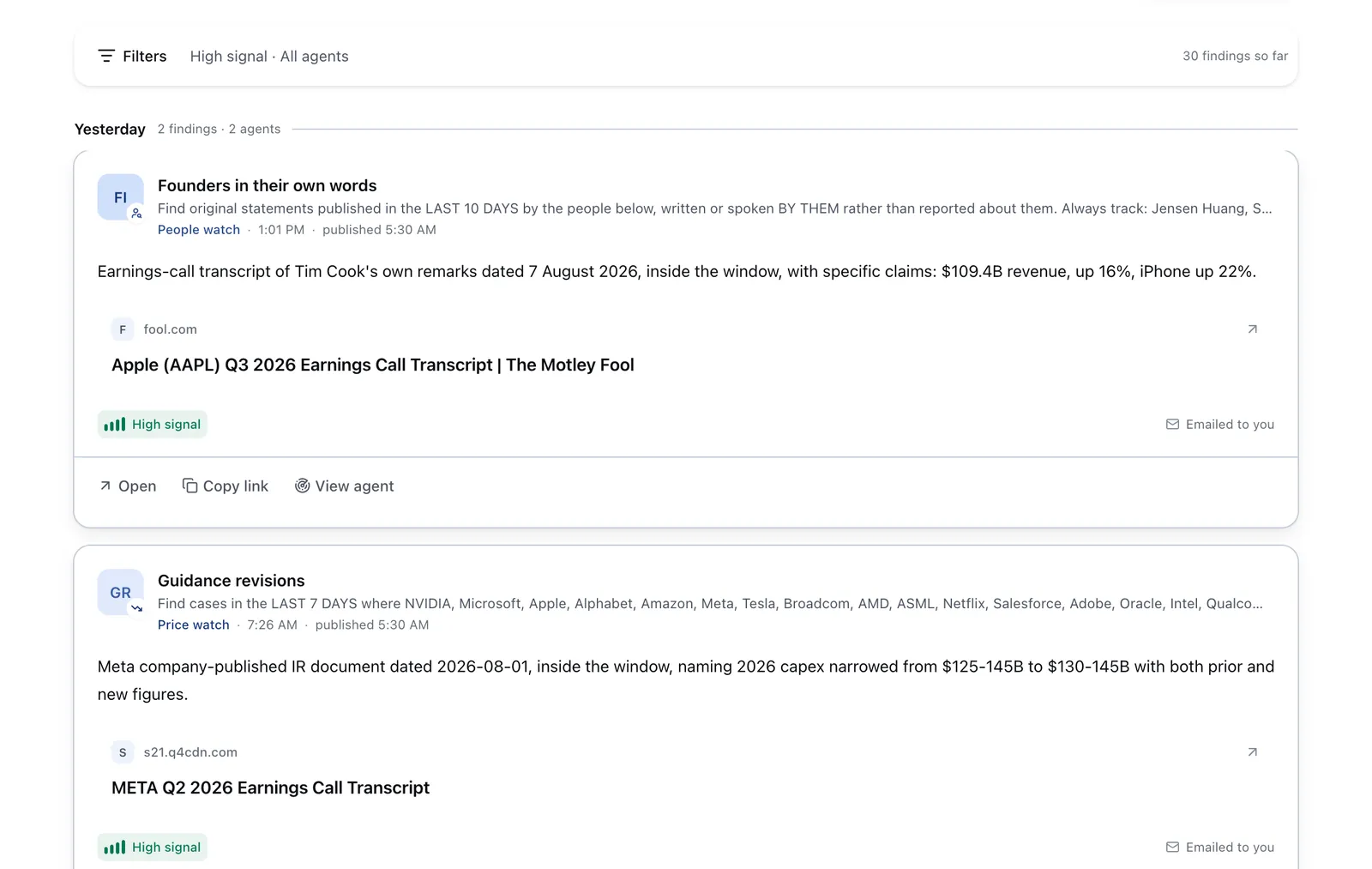
Run it on Parlel
Watch platform and DevEx roles while your IDP narrative is sharp on your profile.
agent: platform_eng_watch
keywords: platform engineer, IDP, developer experience, cloud platform
filters: past_14_days, remote_or_hybrid_ok
digest: tuesday_17:00
fields: company, stack_keywords, location_rule, oncall_note
profile.skills: kubernetes, terraform, aws, ci_cd, observability
Digest shape: { company, role, stack_keywords, location_rule, verify_idp_language }. Track openings on /jobs and keep profile skills aligned with paved-road work you can demo.
Keep reading
Frequently asked questions
Is platform engineering just rebranded DevOps?
Sometimes titles are cosmetic. True platform roles emphasize internal product ownership and self-service. Ask about users, roadmap, and adoption metrics in the interview.
Do I need Kubernetes experience?
Most mid and senior platform postings expect it or an equivalent orchestration story. Some cloud platform roles emphasize account/landing-zone work more than clusters.
Are platform engineer jobs remote?
Many are remote or hybrid. On-call and core-timezone overlap remain common requirements.
What languages should platform engineers know?
Go and Python appear often for tooling; the exact language matters less than shipping reliable internal APIs and automation.
How senior do I need to be?
Many teams hire mid-level engineers with strong Kubernetes/IaC depth. Staff roles expect org-wide platform strategy. Entry titles exist but often still want prior infra experience.
Should startups hire a platform engineer early?
Only when multiple product teams feel repeated friction. Premature platform teams can invent abstractions nobody adopts. Candidates should ask who the first users are.