Penetration tester jobs reward people who can find weaknesses legally, explain risk clearly, and write reports that engineers can act on. Most “junior pentester” openings still expect prior IT or security exposure, hands-on labs, and proof you understand methodology, not only tools. This guide maps entry routes, skills and certifications that support applications, where roles appear, and how to present ethical offensive work without sounding careless.
This page was reviewed on September 30, 2026.
TL;DR
- Treat junior pentest roles as competitive; SOC, networking, or junior security analyst experience remains a common bridge.
- Build authorized lab evidence, methodology notes, and sample report excerpts employers can evaluate.
- Certs such as eJPT, PNPT, or OSCP support screening; they do not replace scoped practice and writing skill.
- Search titles beyond “penetration tester”: security consultant, ethical hacker, red team analyst, appsec tester.
- Never practice on systems without permission; unauthorized testing is illegal and disqualifying.
What penetration tester jobs involve
A penetration tester performs authorized simulated attacks against agreed targets (web apps, APIs, networks, cloud, mobile, or other scoped assets), documents findings, and recommends remediation. Work typically runs as engagements with a written rules of engagement, timeline, and deliverable. In-house roles may mix recurring assessments with advisory work; consultancies rotate across clients and industries.
| Role flavor | Day-to-day focus | Common employer |
|---|---|---|
| Junior / associate pentester | Guided tests, writing, tool operation under review | MSSP, boutique consultancy |
| Application pentester | Web/API/auth flaws, OWASP-style methodology | Product companies, consultancies |
| Network / infrastructure | Hosts, AD, internal networks | Enterprises, consultancies |
| Cloud pentester | IAM, misconfig, cloud service abuse paths | Cloud-heavy product orgs |
| Red team operator | Adversary simulation, longer campaigns | Mature security orgs |
Read responsibilities, not glamorous labels. Some “ethical hacker” posts are generic marketing; some “security engineer” posts hide offensive assessment work.
For the broader map of blue team, GRC, and offensive tracks, see cybersecurity career path. Adjacent infrastructure literacy often comes from network engineer jobs.
Entry paths that actually work
Coursera’s 2026 career guide and practitioner write-ups converge on the same pattern: fundamentals, labs, early security experience, then offensive specialization. A practical sequence:
- Foundation: networking, Linux, Windows/AD concepts, scripting (Python or PowerShell), security basics.
- Feeder role: help desk, sysadmin, SOC Tier 1, junior analyst, or vulnerability management support.
- Offensive labs: structured platforms and home labs you own or have permission to use.
- Proof artifacts: write-ups, CTF notes, bug bounty (legal programs only), sample findings reports.
- Junior pentest applications: consultancy and MSSP roles often hire first-time pentesters more readily than brand-name product companies.
| Bridge role | Why it helps pentest hiring |
|---|---|
| SOC analyst | Alert triage, attacker behavior literacy, documentation |
| Junior security analyst | Scanning, prioritization, stakeholder communication |
| Sysadmin / network admin | How systems are built and misconfigured |
| Developer / AppSec-curious | Web and API testing empathy |
Labor outlook context for related information security work is mapped on CyberSeek and the CISA NICCS career map.
Skills, tools, and certifications (honest framing)
Skills employers probe
- Methodology: recon → enumeration → exploitation → post-exploitation → reporting within scope
- Web security concepts: injection, auth/session flaws, access control, OWASP Top 10 fluency
- Clear writing: severity, impact, reproduction steps, remediation
- Tool literacy without tool worship: Burp Suite, Nmap, and scripting beat memorizing flag lists
- Ethics and professionalism: scope discipline, evidence handling, client communication
Certifications appear in many junior postings as “nice to have” or “at least one of.” Practical certs (eJPT, PNPT, OSCP, and similar hands-on exams) tend to signal ability better than multiple-choice-only badges for offensive roles. Coursera’s guide lists common credentials including PenTest+, GPEN, and OSCP among others (Coursera: how to become a penetration tester). Treat certs as supporting evidence beside labs and writing.
Portfolio shape
| Artifact | Purpose |
|---|---|
| Lab write-up with methodology | Shows process, not only screenshots |
| Redacted sample report section | Shows client-ready communication |
| Bug bounty hall-of-fame or public disclosure (legal) | Shows real finding discipline |
| GitHub notes / scripts you authored | Shows tooling you can explain |
Do not publish exploit details that help attackers against live third-party systems. Prefer educational labs and authorized disclosures.
Where to find penetration tester jobs
| Source | Best use |
|---|---|
| Alerts for pentest, red team, security consultant | |
| Indeed | In-house and agency volume |
| Dice | Security and contractor-heavy listings |
| Company security career pages | Product-company AppSec and offensive roles |
| Specialist cyber boards | Narrower noise than general aggregators |
Add remote job boards when you need location filters; many offensive roles remain hybrid or require occasional onsite for client work or clearance logistics. Dice remains a useful tech security volume source (Dice).
Clearance-required US roles are a separate market. If you lack eligibility, do not waste cycles on those postings.
Resume and interview prep
Resume
- Lead with security titles or bridge titles plus offensive keywords that match the posting.
- Quantify only what you can defend (engagements supported, findings severity mix, systems types tested).
- Separate “authorized practice” from professional work clearly.
Interviews often include: methodology walkthrough, web vuln scenarios, a live or take-home enumeration exercise, and a writing sample review. Be ready to explain how you would handle out-of-scope findings and how you avoid causing production harm.
Illustrative answer framing: “I would confirm scope in writing, prefer non-destructive proof of concept, document reproduction steps, and escalate critical issues through the agreed channel immediately.”
Ethics and scam checks
Never test systems without explicit authorization. Job interviews that ask you to attack a random public site are a red flag. Never pay for a “guaranteed” security job or clearance. Verify recruiter domains against the employer’s public site.
Building a 90-day offensive prep plan
| Days | Focus | Output |
|---|---|---|
| 1–30 | Networking, Linux, web basics, Python scripting | Lab notes you can explain |
| 31–60 | Structured web/network labs; methodology templates | 3 write-ups + draft report section |
| 61–90 | Practical cert or equivalent exam prep; applications | Applications to junior/associate roles |
Adjust intensity to your hours. If you already work in SOC, compress fundamentals and spend more time on offensive labs and writing. If you are starting from help desk, do not skip networking literacy; enumeration without protocol understanding becomes tool clicking.
Pair this plan with the broader map in cybersecurity career path. Offensive specialization without a blue-team or IT foundation is possible but usually slower and more expensive in failed interviews.
Consulting vs in-house pentest careers
| Dimension | Consultancy / MSSP | In-house |
|---|---|---|
| Variety | High across clients and stacks | Deeper on one estate |
| Travel | Sometimes required | Often lower |
| Mentorship | Engagement-driven | Team-dependent |
| Reporting volume | High, client-facing | Mix of tickets and projects |
| First-job odds | Often better for juniors | Prefer proven operators |
Many practitioners recommend consultancy for the first offensive role because engagement volume accelerates methodology and writing. In-house roles can be excellent when the company funds continuous assessment and training. Neither path is universally superior; match to your learning style and travel constraints.
Interview take-homes and ethics red flags
Legitimate take-homes provide a scoped lab, VPN, or intentionally vulnerable application with written rules. Red flags include requests to test the company’s production without a clear contract, pressure to attack third-party sites, or “prove you can hack this real bank tonight.” Walk away. Bring questions about scope change handling, critical finding escalation, and how they prevent client harm.
Technical screens may ask you to explain XSS versus CSRF, design a test plan for an authenticated API, or interpret a sample finding. Practice teaching: the best junior answers sound like clear reports, not movie hacking.
Remote and hybrid reality for pentesters
Remote penetration tester jobs exist, especially for web and cloud assessments. Network and physical elements, client workshops, and clearance work reduce pure-remote odds. When evaluating “remote,” ask about travel percentage, hardware shipping, and data-handling rules for evidence. Use remote job boards filters, then confirm with the employer page. Pair networking depth from network engineer jobs if your weakness is infrastructure literacy rather than web apps.
Networking for offensive roles without being weird
Conference hallway chats, local security meetups, Discord/Slack communities tied to labs, and alumni channels often surface junior openings before they hit Indeed. Bring a specific artifact to conversations (“I just finished a web lab write-up on auth bypass classes”) rather than “please hire me.” Recruiters on LinkedIn respond better to concise notes that name a recent engagement type you studied. Avoid sharing exploit details that could harm third parties.
When someone offers a referral, make it easy: one paragraph fit summary, resume PDF, and the exact requisition URL. Follow up once. Referral fatigue is real.
Tooling depth versus methodology depth
Juniors sometimes over-index on collecting GUI tools. Employers would rather hear how you scoped a test, chose what to try first, validated a finding, and wrote remediation that a developer can ship. Practice explaining a vulnerability class with a simple diagram and a safe reproduction outline. That communication skill separates report writers from tool operators.
If your background is networking-heavy, lean into infrastructure assessments and pair with network engineer jobs literacy. If your background is development, lean into AppSec-flavored pentest roles and API testing.
Run it on Parlel
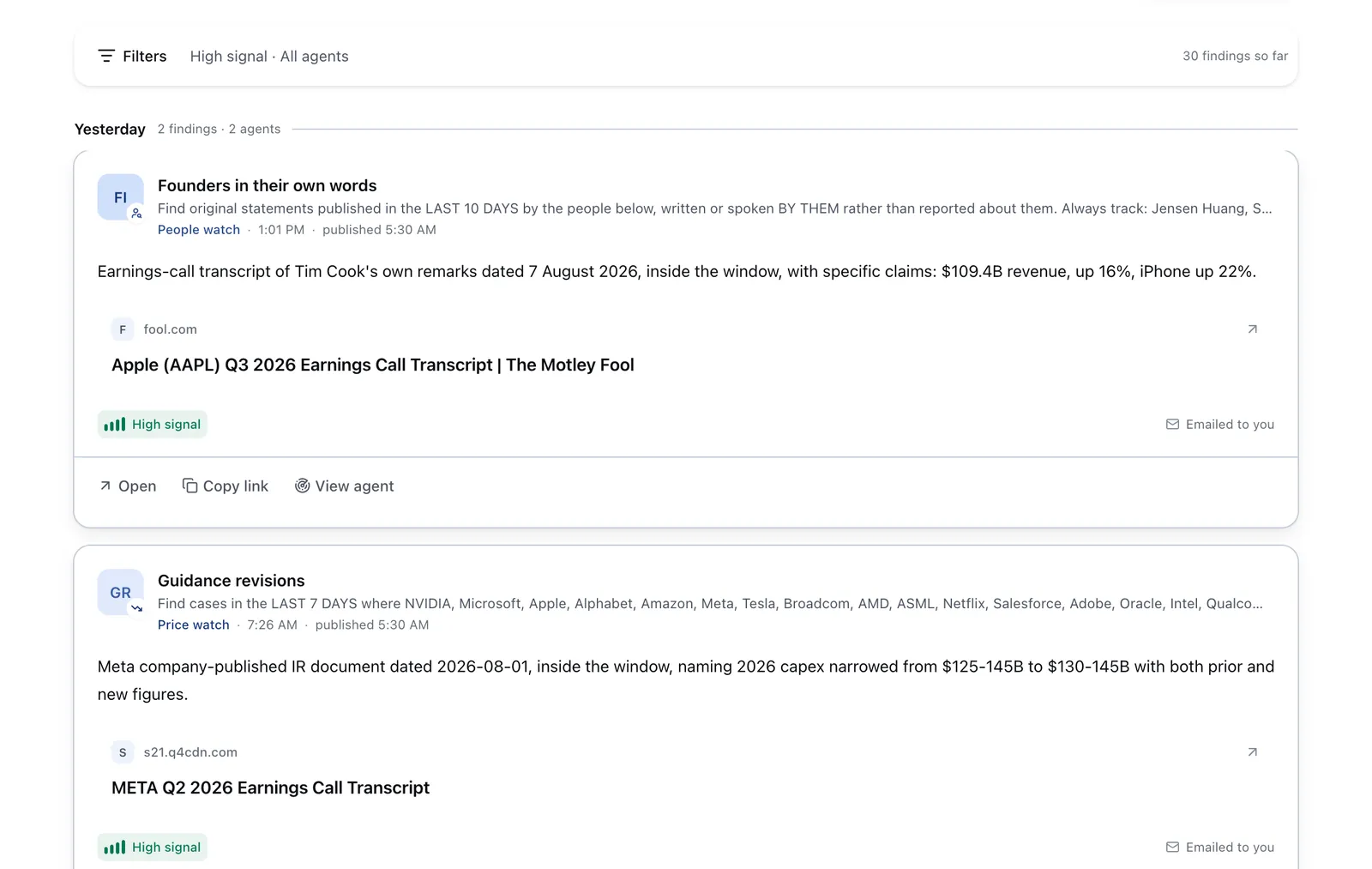
Watch security and pentest-adjacent openings while your lab portfolio matures.
agent: pentest_role_watch
keywords: penetration tester, pentester, red team, security consultant
filters: past_14_days, remote_or_hybrid_ok
digest: wednesday_18:00
fields: company, clearance_note, location_rule, apply_url
profile.skills: web_security, networking, python, reporting
Digest shape: { company, role, location_rule, clearance_note, verify_employer }. Track leads on /jobs and keep your cybersecurity career path plan visible on your profile skills list.
Keep reading
Frequently asked questions
Can I get a penetration tester job with no experience?
Direct junior roles exist but are scarce. Most candidates enter through SOC, IT, or analyst bridges plus heavy lab proof. Treat “no experience required” claims skeptically.
Is OSCP required for junior pentest jobs?
No. Many junior posts accept other practical certs or strong lab portfolios. OSCP is widely respected and often expected later; rushing it without foundations can waste money and time.
Are penetration tester jobs remote?
Some are remote or hybrid; many consultancies still involve client travel or office days. Read each posting’s travel and residency rules.
What is the difference between pentest and red team?
Pentest engagements are usually scoped assessments with findings reports. Red team work often simulates longer adversary campaigns with stealth and detection-evasion goals. Titles vary by company.
Do bug bounties count as experience?
Legal bounty findings can support applications when you can explain methodology and impact. They rarely replace professional reporting experience alone.
How important is report writing?
Very. A finding without clear impact and remediation is hard for clients to use. Strong writers advance faster than tool-only operators.