Questions to ask an interviewer show judgment. Indeed and university career centers keep ranking for this query because candidates need a categorized list and rules for what not to ask too early. Prepare more questions than you will use, then pick three to five that fit the conversation. This guide covers role, team, hiring manager, second interview, process, and culture questions, plus red flags in the answers you hear.
This page was reviewed on September 30, 2026.
TL;DR
- Prepare 8–10 questions; ask 3–5 based on what was already covered.
- Ask about success metrics, challenges, team norms, and next steps.
- Hiring manager interviews are for scope, priorities, and working style.
- Second interviews go deeper on strategy, stakeholders, and tradeoffs.
- Avoid salary-first, Googlable trivia, and questions that dunk on the company.
How to use this list
- Research the company and product before the interview.
- Cross out anything already answered in the job description or conversation.
- Rank remaining questions by what would change your accept decision.
- Ask follow-ups on their answers instead of rapid-firing a script.
- Save logistics (timeline, references) for the end if time is short.
For answering their prompts, use behavioral interview questions and interview questions and answers. Afterward, send a specific thank you email after interview.
Questions about the role (1–12)
- What does success look like in the first 90 days?
- What are the most common challenges in the first six months?
- Which responsibilities take the most time week to week?
- Is this role new or a backfill? What changed if it is evolving?
- Which skills separate a good hire from a great one here?
- How is performance measured, and how often is feedback given?
- What decisions would I own versus recommend?
- What tools and systems would I use daily?
- How does this role interact with product, engineering, sales, or support?
- What would you want this hire to improve that is painful today?
- How has the role changed in the last year?
- What is deliberately out of scope for this position?
Hiring manager interview questions to ask (13–24)
When you meet the hiring manager, prioritize how they run the team.
- What are the top priorities for your team this quarter?
- How do you prefer updates: written, standup, or ad hoc?
- What is a recent decision the team debated, and how was it resolved?
- How do you support people when priorities collide?
- What management habits should I expect from you?
- Where do you want this role to take ownership quickly?
- What would make you feel confident after the first month?
- How do you handle disagreements between your team and stakeholders?
- What is hardest about managing this function right now?
- Which metrics do you check weekly for this team?
- How are on-call, customer issues, or escalations handled?
- What growth have people on your team made in the last year?
Questions about the team and collaboration (25–34)
- How would you describe the team’s working style?
- What skill or perspective is the team missing today?
- How does the team handle conflict or design disagreement?
- How large is the team, and who would I work with most?
- Are collaborators mostly colocated, remote, or hybrid?
- How are meetings scheduled across timezones?
- What does a strong teammate do differently here?
- How often does the team ship or release?
- What documentation norms should a new hire learn first?
- How are wins shared across the company?
Second interview questions (35–44)
Later rounds should go deeper. Avoid repeating first-screen basics unless answers conflicted.
- What is the company’s biggest priority for the next 12 months, and how does this role contribute?
- What tradeoffs is the team accepting right now (speed vs quality, breadth vs depth)?
- Who are the key stakeholders, and what do they optimize for?
- What would make this hire unsuccessful in the first year?
- How does leadership resolve cross-team priority fights?
- What changed in strategy after the last major product or market shift?
- How is budget or headcount decided for this team?
- What risks worry you most for this roadmap?
- How do you evaluate whether the interview process predicted good hires?
- Is there anything about my background you want me to clarify before a decision?
Process, growth, and logistics (45–52)
- What are the remaining steps in the interview process?
- What is your target start date for this role?
- How do you support learning and professional development?
- Where have people in this role typically moved after two to three years?
- How are promotions evaluated?
- What onboarding looks like for remote or hybrid hires?
- How soon do candidates usually hear back after this stage?
- Who should I contact if I have follow-up materials to share?
Culture questions that still sound concrete
Pick one or two, not a checklist of slogans.
- How do people give hard feedback here?
- What do you do when a launch slips?
- What is rewarded more in practice: individual depth or cross-functional glue?
- What is one thing you wish you had known before joining?
Questions to avoid (especially early)
| Avoid | Why it backfires |
|---|---|
| “What does this company do?” | Shows weak research |
| Salary, bonus, and time-off as the first questions in screen one | Timing looks transactional; ask when they open comp or at offer stage |
| “How quickly can I be promoted?” as opener | Sounds entitled without performance context |
| Gotcha questions meant to trap the interviewer | Creates defensiveness |
| Anything answered verbatim on the careers page | Wastes scarce minutes |
You can still ask about compensation thoughtfully when the recruiter invites it, or when you are comparing offers.
How to read the answers
Strong signs:
- Specific 90-day outcomes and named collaborators.
- Honest constraints (legacy systems, hiring freezes, debt).
- Clear next steps and owners for the process.
Weak signs:
- Only adjectives (“amazing culture”) with no examples.
- Inability to describe success metrics for the role.
- Vague “we’ll see” process with no timeline after multiple rounds.
- Conflicting stories between recruiter and hiring manager that nobody reconciles.
Mini script for the end of the interview
I have a few questions left. First, what would success look like
at the 90-day mark? Second, what is the hardest problem this hire
should help with? Finally, what are the remaining steps and timing?
If they answered the first two already, swap in a team or strategy question from the lists above.
Phone screen vs onsite vs final: adjust depth
| Stage | Ask volume | Focus |
|---|---|---|
| Recruiter screen | 2–3 | Scope, location, process, comp framework if invited |
| Hiring manager | 3–5 | Priorities, success, working style |
| Peer interview | 2–4 | Collaboration, quality bar, real workload |
| Final / executive | 2–3 | Strategy, risks, why the role exists now |
Repeating the same 90-day question in every round wastes capital. Build on prior answers: “Earlier you mentioned X; how does the team handle Y when X slips?”
Taking notes without breaking rapport
Capture short phrases, not transcripts. After the interview, expand notes within an hour while memory is fresh. Those notes feed your thank-you note and your accept/decline decision. If two interviewers contradict each other on remote policy or team size, ask a clarifying question in a later round instead of guessing.
Mapping questions to your accept criteria
Before interviews, write your personal accept criteria: scope, manager quality, compensation band, remote rules, learning, and risk tolerance. Assign one question to each criterion you cannot answer from public info. That prevents decorative questions that impress no one and teach you nothing.
After each loop, score the company against those criteria with evidence quotes from interviewers. Your future self will thank you when two offers arrive in the same week.
When interviews run long and you get zero time for questions
Ask for two minutes, then prioritize next steps and the single highest-risk unknown (for example remote policy or success metric). Follow up by email with one thoughtful question. That email can double as part of your thank-you note if you keep it concise.
Borrow language from the job description when you ask questions. If the JD emphasizes "ambiguity," ask how the team creates clarity when requirements collide. That proves you read the posting carefully.
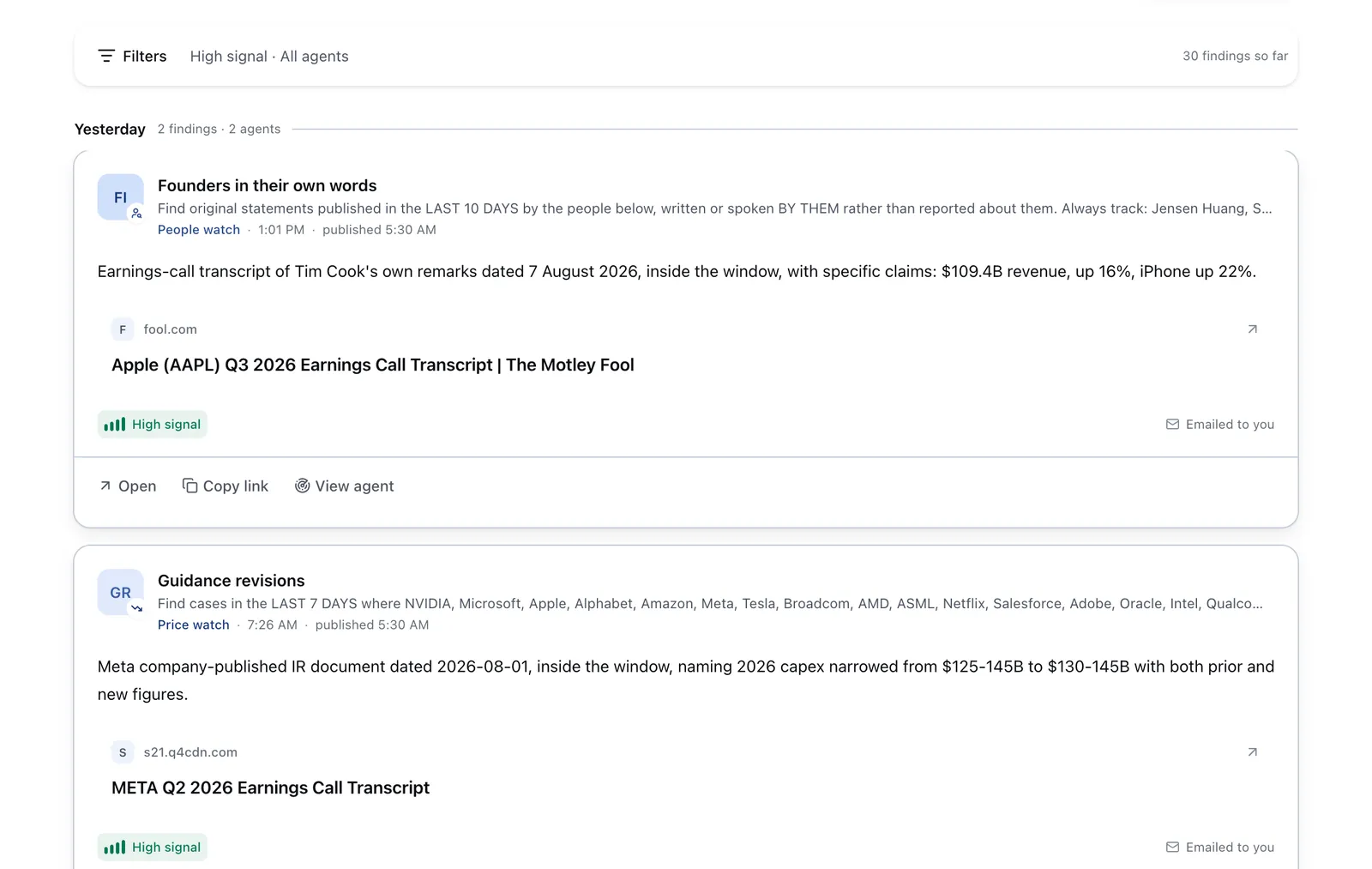
Run it on Parlel
Prep questions against real openings so each loop maps to a concrete team problem.
target_roles: 5 live postings
per_role_questions: 5 tailored asks
notes: what_jd_already_answered
follow_up: thank_you_with_one_insight
digest: upcoming_interviews_and_open_questions
Digest shape: { company, stage, questions_ready, unanswered_risks }. Track targets on /jobs and keep your profile ready via /signup.
Keep reading
Frequently asked questions
How many questions should I ask an interviewer?
Usually three to five in a typical final slot. Prepare more so you can adapt when topics were already covered.
What are the best questions to ask a hiring manager?
Ask about priorities, success in 90 days, working style, and the hardest current problem. Those answers reveal how the manager actually runs the team.
What should I ask in a second interview?
Go deeper on strategy, stakeholders, tradeoffs, and risks. Repeat only if earlier answers conflicted or stayed vague.
Is it OK to ask about salary?
Yes at the right time: when the recruiter opens compensation, late stage, or offer stage. Leading a first screen with benefits-only questions can hurt first impressions.
What if the interviewer says “Do you have any questions?” after they answered everything?
Ask a reflective follow-up (“You mentioned X earlier; how does the team handle Y?”) or ask about next steps and how they evaluate candidates at this stage.
Should freshers ask different questions?
Yes. Emphasize mentorship, feedback cadence, onboarding, and how success is judged for early-career hires, while still asking one concrete role question.