A rejection email after an interview stings, especially after multiple rounds. A short, composed reply will not reverse most decisions, but it can preserve relationships, open a path to future roles, and occasionally surface useful feedback. This guide covers when to reply, how to ask for feedback without pressure, copy-ready templates, and what to do next in your search.
This page was reviewed on September 30, 2026.
TL;DR
- Reply within 24–72 hours when you had a real conversation; skip most automated no-interview rejections.
- Thank them, acknowledge the decision, stay open to future fit, and ask at most one low-friction feedback question.
- Do not argue the decision, inflate disappointment, or negotiate an offer that was never made.
- If feedback never arrives, self-debrief and continue the pipeline; silence is common and not personal.
- Keep applying in parallel so one rejection cannot freeze your search.
When a reply is worth sending
| Situation | Reply? | Why |
|---|---|---|
| Completed one or more interviews | Yes | Relationship and future roles |
| Recruiter screen only, warm conversation | Usually yes | Short thank-you keeps goodwill |
| Automated rejection, no human contact | Optional / skip | Low leverage |
| Chaotic or disrespectful process | Skip or one-line courtesy | Protect energy |
| You already declined them | Optional close | Clarity, not persuasion |
Indeed’s career guidance on responding to rejection emphasizes appreciation, continued interest, and an optional feedback request (Indeed: how to respond to a job rejection email). University career offices similarly stress a gracious ask and a clear next step without pressure (Harvard FAS Career Services, Yale OCS).
Timing and tone
- Send within 24–72 hours after the rejection lands. Wait long enough to be calm; not so long that the thread is cold.
- Keep it under ~150–200 words. Four short paragraphs is plenty.
- Match formality to the interviewer. Startup casual can stay warm; enterprise formal stays crisp.
- Channel: reply on the same email thread whenever possible.
This is different from the post-interview thank-you note you should already have sent (thank you email after interview). The rejection reply is about closure and future optionality, not re-selling the loop.
Template 1: standard gracious reply
Subject: Re: [Role]: thank you

Hi [Name],

Thank you for letting me know about the decision on the [Role] role,
and for the time you and the team invested in the conversations.
I especially appreciated [specific detail from the interviews].

While I am disappointed not to move forward, I remain interested in
[Company]’s work on [team/problem area]. Please keep me in mind if a
related role opens.

Thank you again, and I wish the team a strong hire.

Best regards,
[Your Name]
Template 2: reply with a feedback ask
Use after substantive loops. Make the ask easy to decline.
Subject: Re: [Role]: thank you and a quick ask

Hi [Name],

Thank you for the update on the [Role] search and for the thoughtful
interview process. I enjoyed discussing [specific topic] with the team.

If you have two minutes, I would value any brief feedback on one area
I could strengthen for similar roles. Totally understandable if you
cannot share notes.

I remain interested in [Company] and appreciate your consideration.

Best,
[Your Name]
Forbes-style advice: ask for one improvement area, not a full scorecard, and accept silence without chasing aggressively.
Template 3: after a final-round near miss
Subject: Re: [Role]: staying in touch

Hi [Name],

Thank you for the candid update. I am disappointed given how much I
learned about [problem/product], and I respect the decision.

I would welcome consideration for a future role on [team] if priorities
shift. I will continue following [Company]’s work.

Thanks again for the generous process.

Warmly,
[Your Name]
What not to write
| Avoid | Why it fails |
|---|---|
| “I think you made a mistake because…” | Argues the decision |
| Long autobiography of skills | Too late for this req |
| Guilt or desperation | Hard to reply to |
| Multiple feedback questions | Raises response cost |
| LinkedIn spam the same day | Feels relentless |
| Asking for salary of the hired person | Irrelevant and awkward |
If they reply with feedback
- Thank them briefly.
- Do not debate.
- Translate comments into practice notes (system design depth, clarity, domain gaps).
- Update your tracker; do not broadcast private feedback publicly.
If feedback conflicts with other signals, treat it as one data point. Companies also reject for headcount freezes, internal transfers, or stronger specialist matches unrelated to your worth.
When they stay silent after your reply
Wait about a week at most for feedback. One polite nudge is optional; then stop. Continue job application follow-up on other live threads. Your energy belongs on active processes and skill gaps you already suspect.
Emotional reset without losing momentum
Rejection after investment is normal in competitive markets. Practical next steps:
- Log the company, stage reached, and one lesson.
- Send the gracious reply if warranted.
- Book the next application or mock interview the same day.
- Only pause if you need a true mental health break; then set a restart date.
If you later receive an offer elsewhere, you may still want negotiation craft (how to negotiate job offer) rather than ruminating on the closed loop.
Recruiter and coordinator notes
Sometimes the rejection comes from a recruiter who liked you. A short thank-you can keep you in their future searches. Do not ask them to overturn a hiring manager decision. Do ask whether similar roles are expected in the next quarter if the relationship was strong.
Self-debrief worksheet after rejection
Before or after your reply, capture lessons while memory is fresh:
| Prompt | Your note |
|---|---|
| Which round felt weakest? | |
| What question did I dodge or ramble? | |
| What evidence was missing on my resume vs their needs? | |
| Did I research the product deeply enough? | |
| Was culture or logistics a mismatch I ignored? | |
| One practice action this week |
This worksheet matters more than a perfect email. Pair it with continued pipeline work from job application follow-up so rejection becomes data, not identity.
Reapplying and staying on the radar
Companies differ. Some welcome reapplications after six months; some sooner for a different team; some rarely. Ask the recruiter once, politely, in your rejection reply or a later note. When you reapply, reference growth with evidence: shipped project, clearer system design practice, domain reading. Do not criticize the prior decision.
If a hiring manager invited you to stay in touch, a quarterly value note can be appropriate: one relevant artifact, no pressure. Over-messaging reads as ignoring boundaries. University career centers often teach the same restraint in alumni networking (Harvard FAS Career Services, Yale Office of Career Strategy).
Rejection before an offer vs after a verbal
If you had a verbal indication that an offer was coming and then received a rejection, stay factual and courteous. You may ask whether the role was closed, backfilled internally, or paused. You still should not demand compensation details for a role you do not hold. If you already started negotiating elsewhere, keep those processes moving; see how to negotiate job offer when you do have a real offer.
Panel rejections and multiple contacts
When several interviewers participated, reply primarily to the recruiter or hiring manager who sent the decision. Optionally send a brief thank-you to a mentor-like interviewer who went out of their way, without asking each person for feedback. Duplicate feedback asks create noise and can annoy coordinators.
Remember the earlier courtesy note you hopefully sent after the interview (thank you email after interview). The rejection reply should not repeat the entire thank-you; it should close the loop.
International and timezone considerations
If you interviewed across regions, send during the recipient’s business hours when possible. Keep English concise if that was the interview language. Do not over-apologize in ways that undermine professionalism. Cultural norms vary; clarity and gratitude travel well.
Templates for automated vs personal rejections
Automated “we hired another candidate” with no names: a reply is optional. If you reply, keep it to three sentences of thanks and future interest. Skip the feedback ask; nobody is staffed to answer.
Personal note from a hiring manager: use Template 2. Reference a real discussion point. That specificity is what makes you memorable for the next req.
Rejection after take-home only: thank them for the prompt design if it was fair; ask one feedback question about the exercise if the process felt substantive. If the take-home was unpaid and enormous, a short thanks without feedback ask is enough; invest energy in better processes.
Protecting references and reputation
Do not vent about the company on public social channels while your reply is outstanding. Do not forward rejection emails to large group chats with names attached. Handle disappointment privately. Your future self may interview with the same recruiter at a different firm. Continue applying using the cadence in job application follow-up, and keep courtesy notes consistent with thank you email after interview standards.
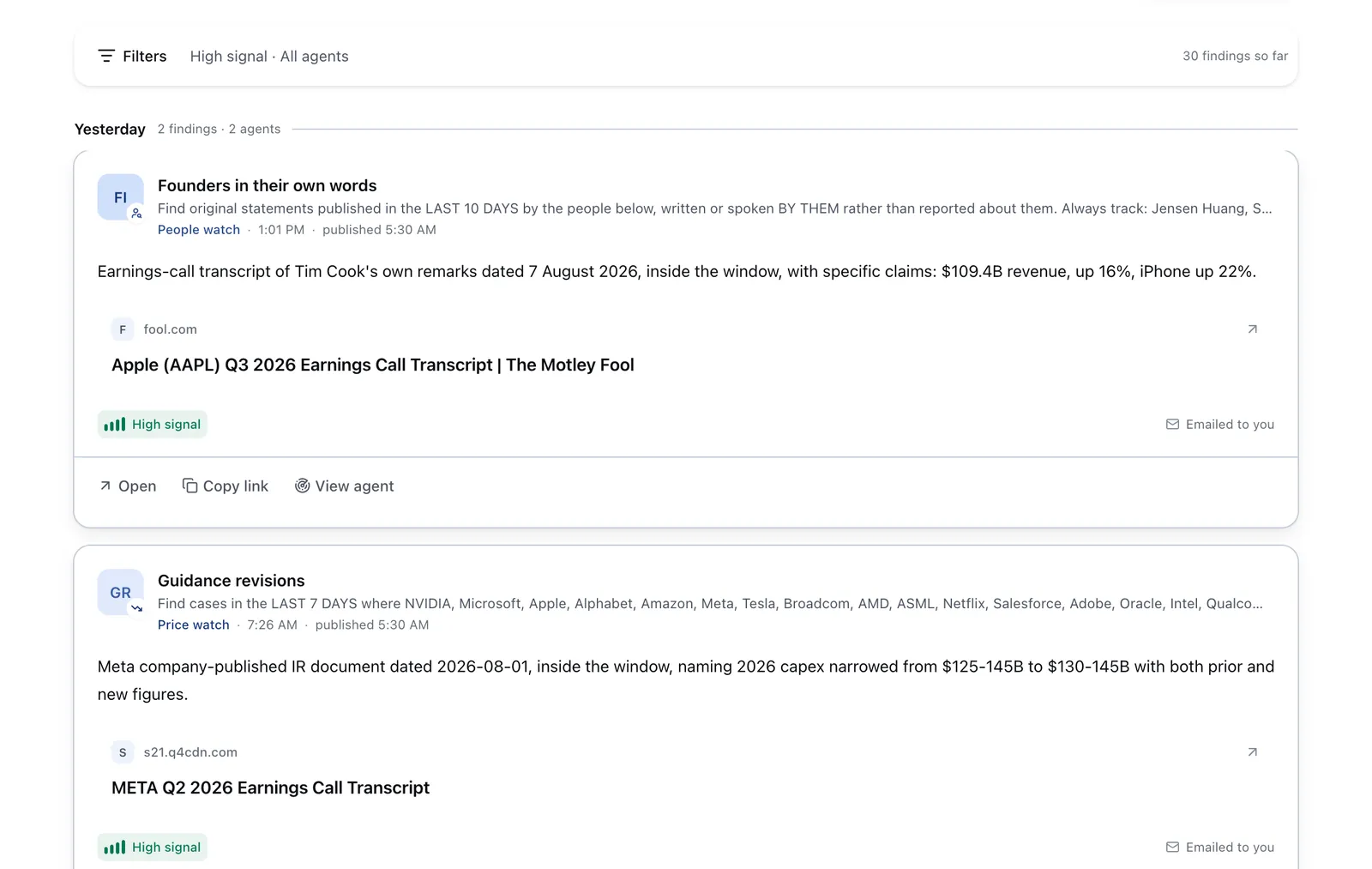
Run it on Parlel
Track interview stages so rejection replies and next applications stay organized.
agent: interview_pipeline
stages: ["applied", "screen", "onsite", "rejected", "offer"]
reminders: ["rejection_reply < 48h", "resume_search_same_day"]
digest: friday_17:00
fields: company, stage, reply_sent, lesson_note
Digest shape: { company, stage, reply_due, next_application }. Keep searching /jobs so one closed process never empties your pipeline.
Keep reading
Frequently asked questions
Should I always reply to a rejection email after an interview?
Reply when humans invested time with you. Skipping automated pre-screen rejections is fine.
Will a reply get me the job after all?
Rarely. The goal is professionalism and future optionality, not overturning a filled req.
How do I ask for feedback without seeming defensive?
One optional question, no debate, easy out for them. Accept whatever they can share.
Is it okay to connect on LinkedIn after rejection?
Yes after a gracious note, with a personalized invite. Do not pitch hard in the connection request.
What if I get rejected by email after verbal encouragement?
Thank them, ask briefly for feedback, and move on. Verbal warmth is not an offer.
Can I reapply to the same company?
Often yes after a stated waiting period or for a meaningfully different role. Reference growth since the last loop without criticizing the prior decision.