Remote inside sales jobs put revenue conversations on phone, video, and email instead of a field territory. Titles vary: Inside Sales Representative (ISR), Sales Development Representative (SDR), Business Development Representative (BDR), or full-cycle inside AE for SMB. Success depends on activity discipline, CRM hygiene, discovery quality, and recovery from rejection, not on motivational slogans. This guide maps roles, what employers screen for, where to look, and how to progress into closing or customer success.
This page was reviewed on September 30, 2026.
TL;DR
- Clarify the motion: inbound warm leads, outbound prospecting, or full-cycle SMB close.
- Ask for OTE structure, quota definition, lead source, and ramp before you accept.
- Remote ISR roles often require US-state residency, EST overlap, and a quiet work setup.
- Proof that helps: CRM discipline, recorded call improvement, and consistent pipeline hygiene.
- Pair job boards with thoughtful outreach; see LinkedIn message craft without spam tactics.
Role map: ISR vs SDR vs full-cycle
| Title | Primary job | Common metric |
|---|---|---|
| SDR / BDR | Create pipeline for AEs | Meetings / SQLs |
| Inside Sales Rep (ISR) | Often full-cycle or late-stage indoors | Revenue / close rate |
| SMB AE (inside) | Own smaller deals end-to-end | Quota attainment |
| Sales consultant (inbound) | Convert warm interest | Conversion, CSAT |
Read the posting carefully. Some “inside sales” roles are high-volume outbound; others only work warm inbound. Insurance and regulated products may require licensing and specific state residency.
HubSpot and Salesforce publish ongoing sales process education useful for vocabulary and cadence design (HubSpot blog, Salesforce). Treat vendor blogs as process ideas, not as proof of any one employer’s quota math.
Skills remote hiring managers test
- Discovery: ask past the first answer; uncover urgency and authority
- Talk track flexibility: not a rigid script; still consistent messaging
- CRM hygiene: next steps dated, stages honest, notes usable by others
- Multithreading: email, phone, and LinkedIn without stalking
- Resilience: recover after no’s without spiraling
- Async professionalism: written updates managers can trust
| Tool family | Why it appears in JDs |
|---|---|
| CRM (Salesforce, HubSpot, Zoho) | Pipeline truth |
| Engagement (Outreach-style, sequences) | Cadence execution |
| Call intelligence | Coaching and compliance |
| Calendar + video | Remote demos and follow-ups |
Compensation questions to ask early
Remote postings often show a base range and OTE. Before accepting:
| Question | Why it matters |
|---|---|
| What counts toward quota? | New logo vs expansion vs renewals |
| What is the lead source mix? | Inbound vs outbound changes attainability |
| How long is ramp? | Month-one quotas can be misleading |
| Are territories protected? | Conflict with partners or other reps |
| What % of reps hit quota last period? | Directional culture signal, not a guarantee |
Never invent personal attainment numbers. If you share past performance, keep the period, product, and definition of a win clear.
Where to find inside sales jobs remote
| Source | Best use |
|---|---|
| Title alerts + company follows | |
| Indeed | High volume across industries |
| Wellfound | Startup ISR / founding AE motions |
| Remote-specialist boards | Filter for true remote sales |
| Company career pages | Quota and benefits detail |
Use remote job boards for eligibility filters. For outbound craft that is specific rather than spammy, use LinkedIn outreach message. Adjacent retention careers are covered in customer success jobs remote.
Scam and quality checks: never pay for leads lists sold as “guaranteed remote sales jobs,” never deposit mystery checks, and verify recruiter domains. Prefer employers who explain product, ICP, and ramp in writing.
Interview and role-play prep
Expect: mock discovery call, objection handling, CRM scenario questions, and culture questions about remote focus. Prepare one story for each:
- Turning a vague inbound into a qualified meeting
- Losing a deal cleanly and documenting why
- Cleaning a pipeline that was inflated
Illustrative discovery opener (adapt, do not recite): “I want to make sure this is worth both of our time. What prompted you to look at this now, and what happens if nothing changes in the next quarter?”
Progression paths
| From | Toward | Bridge skills |
|---|---|---|
| SDR | AE | Discovery depth, business case |
| ISR | Enterprise AE | Multi-threading, longer cycles |
| ISR / SDR | Customer success | Onboarding empathy, product fluency |
| ISR | Sales leadership | Coaching notes, forecasting honesty |
If you prefer post-sale outcomes over hunting, evaluate CS openings deliberately rather than treating them as a consolation path.
Building a remote sales operating system
Remote inside sales fails when activity is invisible or dishonest. Build a personal OS:
| Element | Practice |
|---|---|
| Daily scoreboard | Dials, meaningful conversations, meetings set, opportunities created |
| CRM truth | Next step dated same day; no zombie deals |
| Call review | One self-review or peer review weekly |
| Learning block | Product objections and competitive notes |
| Energy management | Defined start/stop; camera-ready space |
Managers hire people who can coach themselves between 1:1s. Bring a scoreboard screenshot (redacted) or a written habit system to interviews as proof you can operate without hallway accountability.
Quota math literacy (without inventing stats)
You do not need confidential company data to ask sharp questions:
- What is base vs variable split?
- What activities historically correlate with hitting plan here?
- How many opportunities does a typical ramped rep need per month?
- What is average sales cycle for this segment?
- What happens to compensation if product packaging changes mid-quarter?
Write the answers down. Compare across offers. A higher OTE with impossible inbound volume can be worse than a lower OTE with real pipeline. HubSpot and Salesforce educational content can help you learn stage definitions and hygiene vocabulary (HubSpot blog, Salesforce), but only the employer’s plan document defines your job.
Outbound craft without spam
High-volume sequences still need specificity. Steal structure, not lies. A useful remote cadence mixes phone, email, and LinkedIn touches that reference a real trigger (hiring, launch, funding, tech change) when public. For message patterns that stay human, use LinkedIn outreach message. Never buy scraped contact lists from shady vendors promising “guaranteed meetings,” and never pay for a job. FTC guidance on employment scams remains relevant (FTC).
From ISR to CS or AE
If discovery energizes you and you like ownership through close, AE is the natural path. If you prefer customer outcomes after the sale, evaluate customer success jobs remote deliberately. Translate ISR metrics into CS language carefully: retention and adoption differ from meeting volume. Interviewers notice when candidates treat CS as “sales but easier.”
Onboarding into a remote sales seat
The first 30 days should emphasize product fluency, ICP clarity, and CRM hygiene over heroic cold outreach volume. Ask for call recordings, battle cards, and disqualification criteria. Shadow a ramp buddy if available. Document objections in your own words. Managers notice reps who create personal enablement notes instead of waiting to be spoon-fed.
By days 30–60, you should know which lead sources convert for you and which talks tracks land. By day 90, your forecast should be honest even when the number is uncomfortable. Honesty scales; sandbagging and inflation both fail in remote cultures where CRM is the shared brain.
Industry variants
SaaS ISR work often centers demos and trials. Insurance inside sales may require licenses and inbound-heavy shifts. Industrial or equipment inside sales may involve longer configuration conversations. Read the product complexity before judging “easy remote sales” claims on social media. Use remote job boards to find roles, then interrogate the motion in the interview.
Red flags in remote sales postings
- Unpaid training that requires buying leads or software
- Guaranteed income claims without a clear product
- Pressure to recruit friends into the same “opportunity”
- No CRM, no manager, and no documented ICP
- Commission-only with vague product-market fit
Legitimate remote ISR roles explain product, segment, ramp, and tools. If those are missing, keep searching. Your reputation compounds; multilevel-marketing-shaped “sales jobs” do not.
Before your first week, set up a quiet workspace, headset, secondary monitor if possible, and a written daily startup checklist. Remote sales performance is half talk track and half environment design that keeps you from drifting into distracted browser tabs between dials. Test your internet backup plan before week one; a single outage during pipeline review is a bad first impression. Write your ICP in one paragraph and tape it near the monitor so every call starts from the same definition of fit.
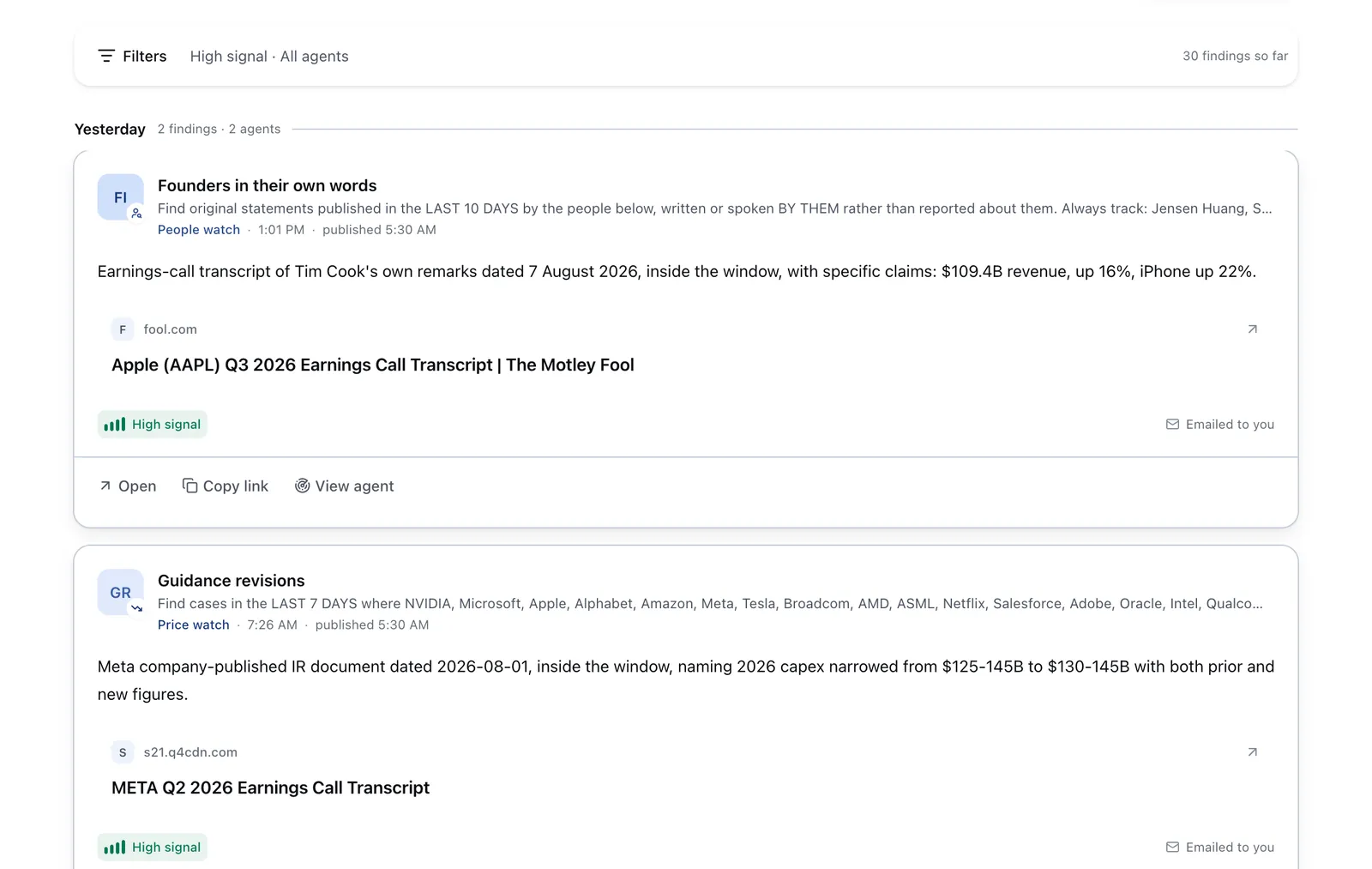
Run it on Parlel
Watch remote sales openings and keep a profile that states motion and markets clearly.
agent: inside_sales_remote_watch
keywords: inside sales, ISR, SDR, BDR, SMB AE
filters: remote, past_14_days
digest: friday_16:00
fields: company, ote_note, location_rule, lead_motion_hint
profile.skills: discovery, crm, outbound, demo
Digest shape: { company, role, location_rule, lead_motion_hint, verify_quota_language }. Browse /jobs and keep your public profile honest about seniority and industries sold.
Keep reading
Frequently asked questions
Are remote inside sales jobs mostly cold calling?
Some are outbound-heavy; others are inbound or mixed. Ask for lead source mix and expected dials/emails before accepting.
Do I need prior SaaS experience?
It helps for SaaS ISR roles but is not universal. Adjacent high-activity sales (telecom, staffing, insurance) can transfer with a clear learning plan.
What does OTE mean?
On-target earnings: base plus variable if you hit quota. OTE is not a guarantee of what you will earn.
Can international candidates get US remote ISR roles?
Often employers require US work authorization and specific states. Confirm eligibility before investing in a long process.
How is inside sales different from customer success?
Inside sales creates and closes revenue opportunities. Customer success focuses on adoption, retention, and expansion after the sale. Some companies blur the lines; the JD should clarify metrics.
Should I take an unpaid sales “training” job?
Be cautious. Prefer paid ramps with clear quota and training plans. Paying an employer for training or leads is a major red flag.